Easy Vanilla Tea Cakes Baked in a Muffin Tin
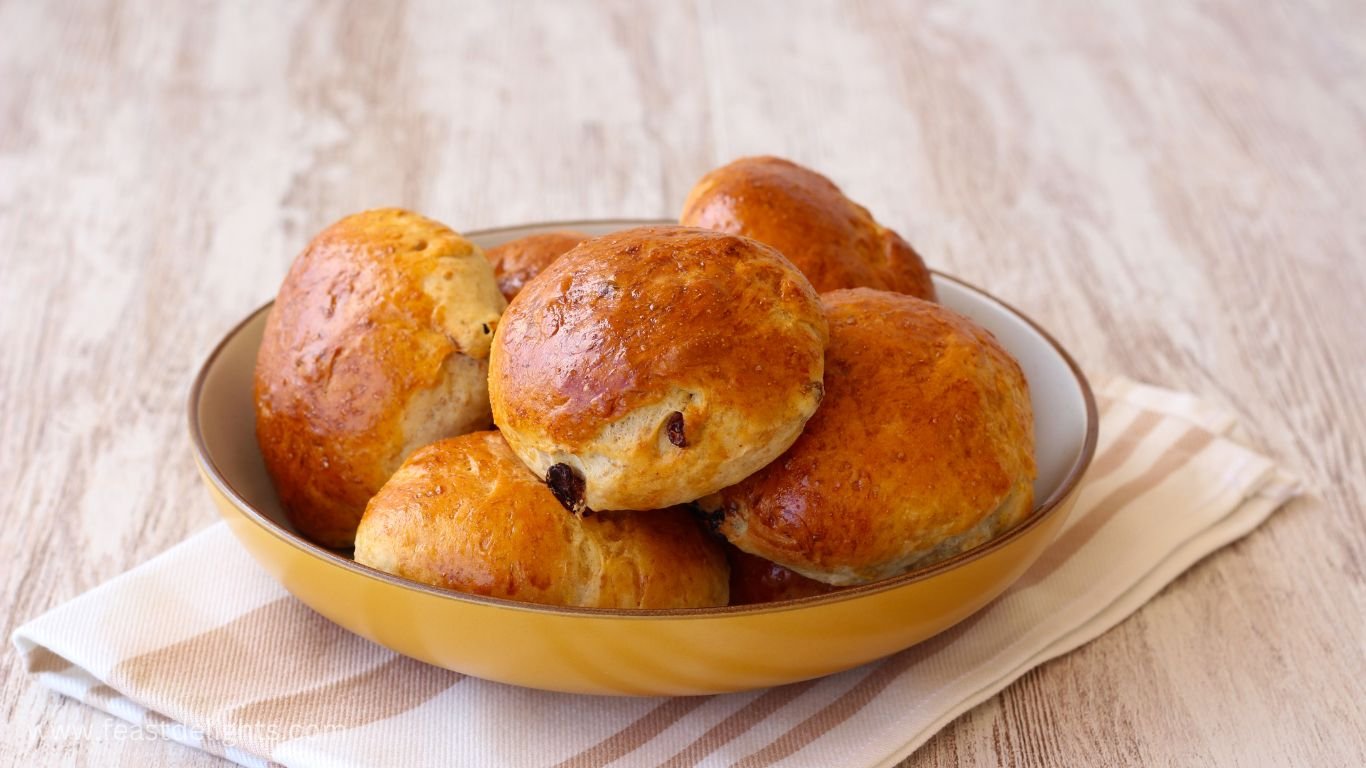
These vanilla tea cakes are small, lightly sweet butter cakes made in a standard muffin tin. A simple mixture of flour, milk, melted butter, egg and vanilla gives them a soft crumb without a mixer or frosting. The recipe makes 10–12 cakes in about 33 minutes, plus cooling time. Serve them plain with afternoon tea, dust with icing sugar or add a little lemon zest. This is a quick muffin-style cake for teatime, rather than the yeast-raised fruit teacake traditionally served toasted in Britain.
What kind of tea cake is this?
The name tea cake describes several different baked goods. This recipe is a small, unfilled vanilla cake made with a quick batter and baked in a muffin tin. It is not a traditional British yeasted fruit bun or an American tea cookie. The original site recipe used a muffin-style batter, so that method and its quantities are retained here. The expected crumb is soft and lightly sweet, with a little more structure than a creamed sponge cake.
Ingredient choices for a tender crumb
All-purpose flour provides the structure. Weigh it for consistency, since a tightly packed measuring cup can introduce too much flour. Granulated sugar sweetens and helps retain moisture. Unsalted melted butter gives the batter flavour without requiring an electric mixer. Let the butter cool before adding the egg; hot butter can begin cooking it. Whole milk supplies liquid and the egg binds the batter. Baking powder, not baking soda alone, provides the lift. Vanilla extract or vanilla sugar gives a mild aroma.
The quick-batter mixing technique
Preheat the oven and prepare the tin before combining wet and dry ingredients. Once they meet, stir gently and stop as soon as the flour disappears. A slightly uneven batter is preferable to a smooth batter that has been beaten too long. The mixture should be thick and scoopable, not pour like water. If it is unexpectedly dry, check that you have measured the milk and butter correctly before adding a spoonful of extra milk.
Recipe card
Easy Vanilla Tea Cakes Baked in a Muffin Tin
33 minutes covers preparation and baking; allow extra time for cooling.
Equipment: Kitchen scale, measuring jug and spoons, two mixing bowls, whisk, silicone spatula, 12-cup standard muffin tin, liners or grease, scoop, toothpick, wire rack
Ingredients
Instructions
Preheat the oven and prepare the tin
Preheat a conventional oven to 180°C (350°F). Grease or line a standard 12-cup muffin tin. Melt the butter and allow it to cool until lukewarm.
Combine the dry ingredients
Whisk flour, sugar, baking powder and salt in a large bowl until evenly combined. Break up any lumps in the baking powder.
Mix the wet ingredients and fold
Whisk the egg, milk, melted butter and vanilla in another bowl. Pour into the dry ingredients and fold gently until no dry streaks remain. Stop as soon as combined; a few small lumps are fine. If the batter is exceptionally stiff, add milk a tablespoon at a time until thick but scoopable.
Divide the batter
Divide the batter evenly among 10–12 cups, filling no higher than about two-thirds. Do not force the batter into too few cups.
Bake and cool
Bake on the middle rack for 15–18 minutes, checking at 15 minutes. The tops should spring back lightly and a toothpick inserted in the centre should emerge without wet batter. Cool in the tin for about 5 minutes, then transfer to a rack.
How to judge doneness
The cakes should have set, lightly golden tops that spring back under gentle pressure. Insert a toothpick into the centre of one of the larger cakes; a few moist crumbs are fine, but wet batter means it needs more time. If the edges are browning rapidly while the centre remains wet, check the oven temperature and avoid placing the tin close to a heating element. Cool for a few minutes in the tin, then move to a rack so steam can escape.
Troubleshooting and variations
Dry cakes often result from excess flour or baking too long. Use the gram measurements and start checking early. A dense, rubbery crumb can mean the batter was overmixed or the baking powder is no longer active. If cakes stick to the tin, use paper liners or grease each cup thoroughly next time. For a citrus note, rub finely grated lemon zest into the sugar before adding the other ingredients. Currants add texture and sweetness without introducing much extra liquid. A gluten-free flour swap needs separate recipe development; do not assume the same quantity will yield the same crumb.
Serving ideas and related bakes
Serve plain with tea, fresh berries or a small spoonful of lemon curd. For a more varied afternoon tea, try classic British scones, blueberry muffins with melted butter or Italian lemon ring cake. Add perishable toppings only when serving, and refrigerate them separately.
Make ahead and allergens
Measure the ingredients ahead but mix the batter just before baking. Freeze plain cakes rather than freezing them with cream or wet toppings. The recipe contains wheat, milk and egg. Verify packaged ingredients and avoid shared equipment if cross-contact is a concern. Never taste raw batter, because uncooked flour and egg can carry harmful bacteria.
Frequently asked questions
Are these traditional English fruit teacakes?
No. These are small vanilla batter cakes for tea. Traditional British fruit teacakes are usually yeast-raised buns with dried fruit, often split and toasted.
Can I make them without a mixer?
Yes. A whisk and spatula are enough because the butter is melted rather than creamed.
Why are the cakes tough?
Excess mixing after adding flour develops gluten. Fold only until the dry streaks disappear.
Can I add currants?
Yes. Fold in up to 60 g of currants near the end of mixing, and check doneness as usual.
Can I use a mini muffin tin?
Yes, but the yield increases and the baking time decreases. Start checking early rather than relying on the standard tin timing.
Can I make these dairy-free?
An unsweetened plant milk and dairy-free block baking fat may work, but the flavour and crumb can change. Check labels and kitchen-test the variation.
More recipes to try






Spotted a detail that needs correcting? Contact the FeastDelights editors.