Vegetable Pad Thai with Tofu, Egg and Tamarind
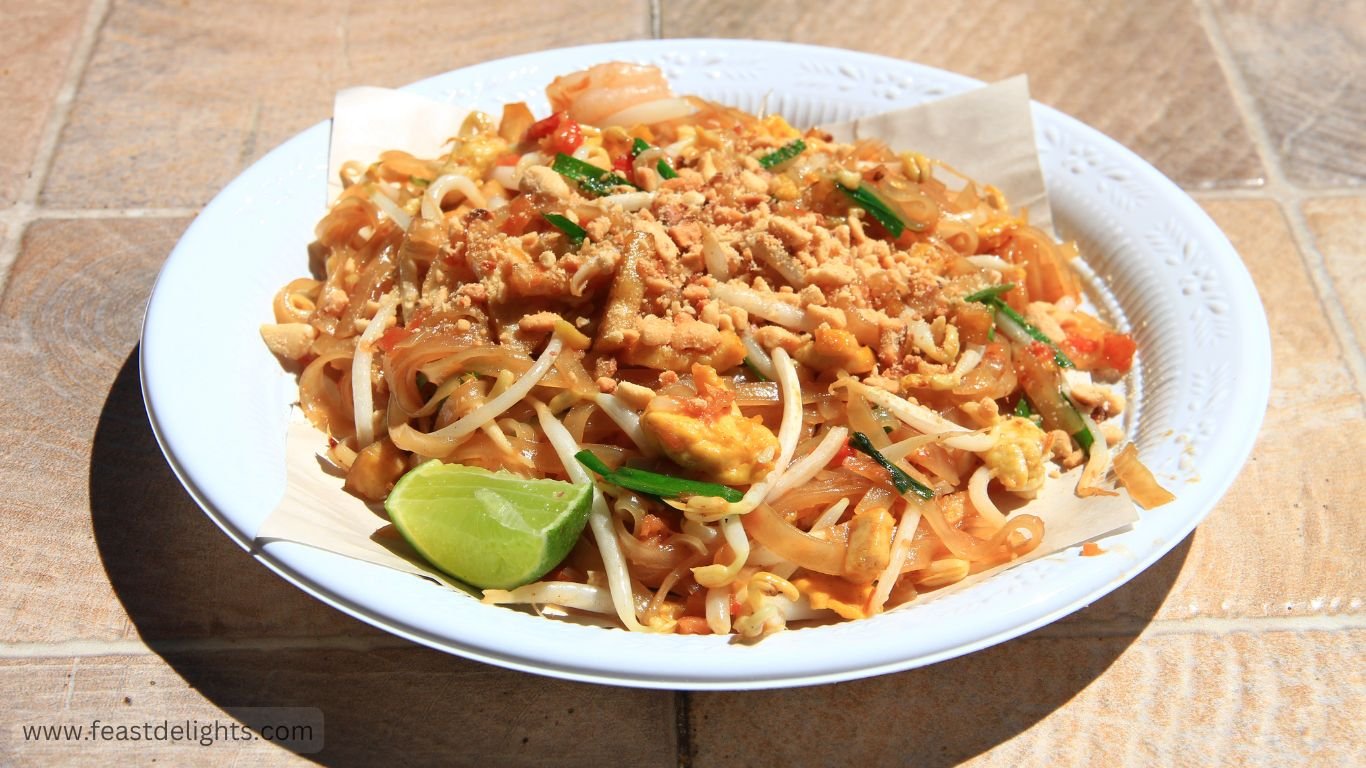
Flat rice noodles, golden tofu, scrambled egg, carrot, broccoli and leek are tossed in a sweet, salty and sour tamarind sauce in this vegetable Pad Thai. Roasted peanuts and sesame give the noodles a nutty crunch, and a squeeze of lime brings the flavours into balance. This Thai-inspired vegetarian variation uses soy sauce instead of fish sauce. It serves three to four people in about 40 minutes with quick-soaking noodles. Prepare all the vegetables and sauce before heating the wok.
Vegetable Pad Thai with tofu and egg is a satisfying noodle dinner with a tangy tamarind sauce and contrasting crisp vegetables. The key is to soften the noodles only until flexible, dry the tofu thoroughly and work quickly in a wide hot pan. This version contains eggs; it is not vegan. It makes three generous or four smaller portions. Allow 25 minutes for preparation and 15 minutes for cooking; longer noodle soaking or cooking in batches increases that time.
Choose the ingredients for a balanced stir-fry
Use 250 g (8.8 oz) of dried medium-width flat rice noodles. Thin vermicelli softens too quickly for this method, while broad noodles may require a longer soak. Read the packet instructions for stir-frying, not soup. Aim for flexible strands that still resist slightly when pinched.
Firm tofu (200 g or 7 oz) holds its shape when turned in a wok. Blot the cubes dry before frying. Cut the carrot into matchsticks and the broccoli into small florets (150 g or 5.3 oz) to help them cook evenly. Slice the leek thinly and wash away any grit between its layers. Add garlic later than the other vegetables so it does not burn.
The tamarind supplies acidity, soy sauce contributes salt and savoury flavour, and sugar rounds out the sharpness. Use a pourable cooking paste; concentrated tamarind varies considerably in strength. Start with less if using a concentrate. Optional chilli sauce brings heat. Bean sprouts (100 g or 3.5 oz) must be cooked thoroughly, not simply scattered on at the end. Keep the roasted peanuts, sesame seeds and lime for serving.
Prepare before you heat the wok
Set out a wide wok or large skillet, tongs, colander, mixing bowl and measuring spoons. Mix the sauce, prepare the vegetables and beat the eggs before frying the tofu. If the pan is too small to hold the noodles loosely, divide all components between two batches. That adds time but avoids steaming the vegetables and breaking the noodles as you stir.
Recipe card
Vegetable Pad Thai with Tofu, Egg and Tamarind
Based on quick-soaking noodles; longer soaking or separate batches increase total time.
Equipment: Wide wok or large skillet, tongs, knife, cutting board, mixing bowl, colander, measuring spoons
Ingredients
Stir-fry
Tamarind sauce
To serve
Instructions
Mix the tamarind sauce
Whisk the soy sauce, tamarind paste, sugar, optional chilli sauce and 2 tablespoons water until the sugar dissolves. Use less paste initially if it is concentrated.
Soften noodles and prepare vegetables
Soak rice noodles according to the packet stir-fry directions until flexible but firm. Drain and reserve some soaking water. Press and cube tofu, chop vegetables and beat the eggs.
Brown the tofu
Heat oil in a wide wok over medium-high to high heat. Fry tofu for 5–7 minutes, turning gently until golden in patches. Transfer to a plate.
Cook vegetables and egg
Stir-fry leek, carrot and broccoli for about 3 minutes, adding garlic towards the end. Add bean sprouts and cook thoroughly. Push vegetables aside, add beaten egg and scramble until fully set.
Toss with sauce
Return tofu with noodles and sauce. Toss gently for 2–3 minutes until noodles are tender and evenly coated. Add reserved water a tablespoon at a time if needed.
Finish and serve
Remove from heat and scatter over the chopped peanuts and sesame. Serve with lime wedges immediately.
How to tell when the noodles are ready
Look for golden patches on the tofu and broccoli that is bright green and tender enough to bite. The sprouts should be thoroughly cooked and the eggs fully set. The noodles should be tender without a hard centre, coated with a thin glossy layer of sauce rather than swimming in liquid. Lift and fold the noodles with tongs instead of chopping through them with a spatula.
Troubleshooting
If the noodles are too firm and the wok looks dry, add reserved soaking water one tablespoon at a time. If they are already soft and clumping, stop adding liquid and avoid vigorous stirring. Over-soaked noodles cannot regain their original firmness. If the tofu sticks, allow the first side to brown before turning. If the sauce tastes sharply sour, add a small pinch of sugar; if it is too salty, avoid further soy sauce and loosen it with a little water. Taste before adjusting.
Variations and dietary considerations
Brown sugar works in place of white sugar. Replace part of the broccoli with sliced mushrooms or use spring onions in place of leek. For a gluten-free adaptation, use certified gluten-free tamari and check the noodle and chilli sauce labels. The recipe contains egg, soy, peanuts and sesame; ordinary soy sauce often contains wheat. Omit peanuts if necessary, but check packaged ingredients and equipment for cross-contact. Sesame is a separate allergen.
This Thai-inspired adaptation is distinct from the vegan tofu Pad Thai, which suits cooks avoiding eggs. For a meat and seafood version, see chicken and shrimp Pad Thai. For a different Thai-style noodle dish, try vegetarian Pad Kee Mao with Thai basil.
Serving and preparing ahead
Serve immediately in shallow bowls with the chopped peanuts, sesame and lime wedges. Offer chilli separately. Mix the sauce and refrigerate it in a covered container ahead of cooking. Chop and chill vegetables separately. Soak noodles shortly before cooking so they do not become overly soft. Keep beaten eggs and sprouts refrigerated until needed.
Food safety and leftovers
Cook sprouts thoroughly, especially for higher-risk diners, and cook the egg until no liquid egg remains. Refrigerate in shallow covered containers at 4°C (40°F) or below within two hours, or one hour above 32°C (90°F). Use within three days. Reheat to 74°C (165°F) throughout, adding a splash of water to loosen the noodles. Freezing is possible but softens the noodles and vegetables. Follow the USDA leftover handling advice and FDA sprout guidance.
Frequently asked questions
Can I make it without egg?
Yes. Omit egg or use the site's vegan Pad Thai recipe for a dedicated egg-free version.
Can I use fresh rice noodles?
Yes; follow packet stir-fry instructions and adjust the quantity because fresh noodles contain more water than dried noodles.
Why does the tofu crumble?
Firm tofu holds its shape better than silken tofu. Drain well and let the first side brown before turning.
Can I double the recipe?
Cook separate batches in a home skillet to prevent overcrowding.
What if I only have tamarind concentrate?
Begin with less than the specified amount of cooking paste and adjust gradually, since concentrate strengths vary.
Can I replace peanuts?
Omit them or use a tolerated crunchy topping. Check labels and cross-contact; sesame is a separate allergen.
More recipes to try






Spotted a detail that needs correcting? Contact the FeastDelights editors.