Shrimp Étouffée with Brown Roux and Louisiana Spices
Shrimp étouffée is a Louisiana-style dish of tender shrimp coated in a savoury brown roux sauce with onion, green bell pepper, celery and garlic. Paprika, thyme and cayenne provide a gently spicy finish, while tomato paste and stock add depth. This version serves four in approximately 75 minutes. Cook the roux to a peanut-brown colour, build the sauce before adding seafood, and simmer the shrimp only until cooked through. Spoon the thick sauce over steamed rice and finish with fresh herbs.
Shrimp étouffée is a Louisiana-inspired preparation of shrimp in a thick, savoury roux sauce with onion, green bell pepper and celery. This recipe makes four servings in about 75 minutes, served over rice. The sauce is peanut-brown and gently spiced rather than intensely dark.
Étouffée, gumbo and jambalaya
Étouffée typically coats seafood in a rich sauce that is spooned over rice. Chicken gumbo is a separate, more broth-like preparation, while chicken and andouille jambalaya cooks rice as part of the dish. The three share some Louisiana flavour traditions without being interchangeable recipes.
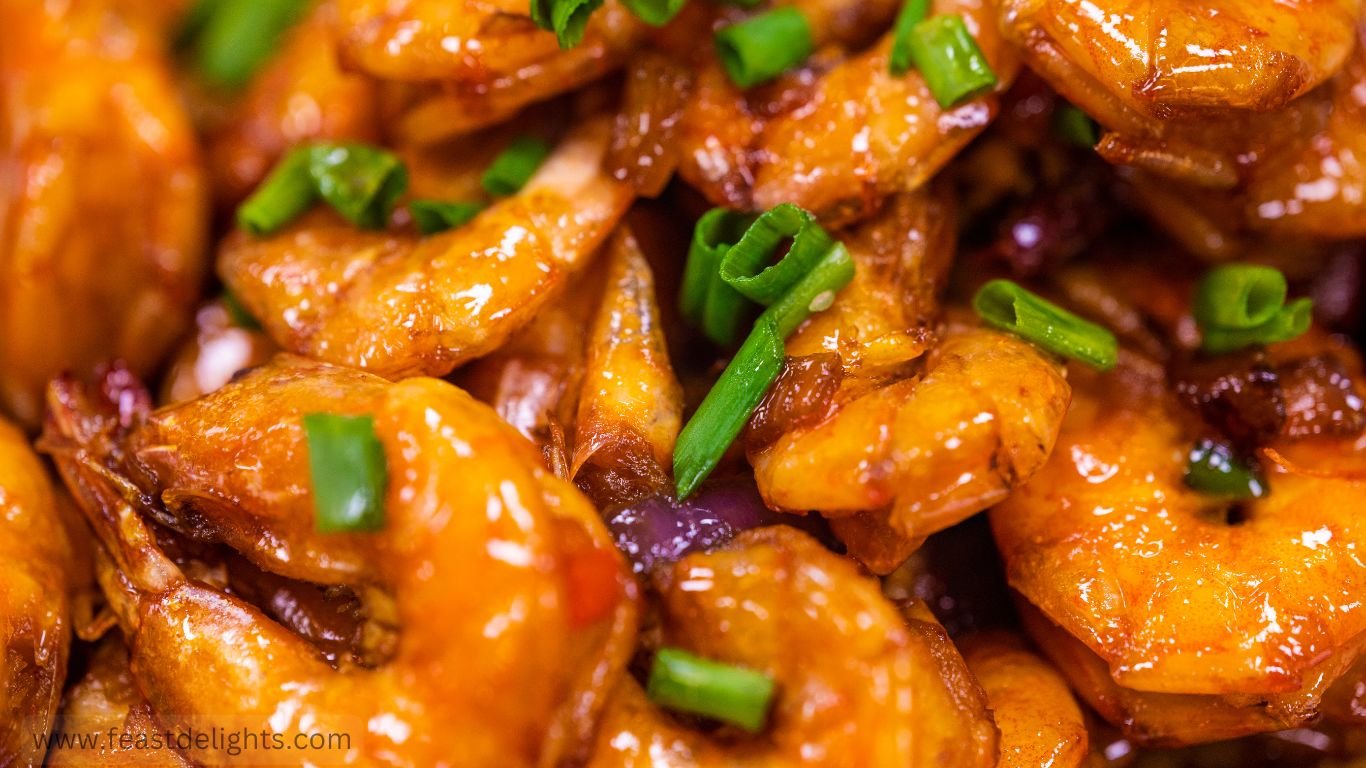
Recipe card
Shrimp Étouffée with Brown Roux and Louisiana Spices
Includes roux browning, vegetable cooking, sauce simmering and shrimp cooking. Prepare rice concurrently; a slower roux may extend the total.
Equipment: Heavy 3–4 litre pot, long-handled whisk and wooden spoon, knife, separate seafood and vegetable boards, measuring tools, thermometer, rice saucepan
Ingredients
Shrimp
Roux
Sauce
Garnish
To serve
Instructions
Prepare shrimp and vegetables
Peel and devein shrimp if necessary, pat dry and keep refrigerated. Dice all vegetables and measure stock and spices before starting the roux. Prepare rice separately while the sauce cooks.
Cook a brown roux
Heat oil in a heavy pot over medium heat. Whisk in flour and stir constantly with a heatproof whisk or long-handled spoon for about 10–15 minutes, or longer if needed, until peanut-brown and nutty-smelling. Lower heat if it darkens too quickly. Do not leave it unattended; hot roux can cause severe burns.
Add the aromatic vegetables
Lower heat slightly. Add onion, bell pepper and celery carefully to avoid splashes. Stir 5–7 minutes until softened. Add garlic, tomato paste, paprika, thyme and cayenne and stir for 1 minute.
Build and simmer the sauce
Gradually stir in warm stock, smoothing each addition before adding more. Bring to a gentle simmer and cook 15–20 minutes, stirring regularly, until the sauce coats a spoon. If too thick, add a little stock.
Cook the shrimp
Add raw shrimp to the gently simmering sauce. Cook 3–5 minutes, or longer according to size, until the flesh is pearly and opaque and reaches 63°C (145°F). Adjust salt after tasting the fully cooked sauce.
Serve over rice
Divide hot cooked rice among four bowls and spoon shrimp and sauce over it. Garnish with chopped parsley or green onion.
Choosing shrimp, oil and stock
Use raw peeled, deveined shrimp of similar size. Thaw frozen seafood in the refrigerator and drain well. Stock supplies most of the liquid; seafood stock gives a more pronounced marine flavour, while chicken stock is milder. Neutral oil and flour form the roux. Use the measured amounts rather than adding extra flour to make the sauce thicker. Paprika, thyme and cayenne season the sauce individually; no commercial Creole seasoning is required.
How to cook roux without burning it
Dice the vegetables and warm the stock before starting. Once oil and flour are mixed, stir continuously along the base and corners of the pot. Keep the heat moderate until the paste changes from pale to a peanut-brown shade and smells nutty. The timing varies with the pan and burner. Black specks or an acrid burnt smell indicate scorching; start again rather than disguising it with stock. Use a long-handled utensil and protect hands from splashing. Hot roux holds considerable heat.
Add the vegetables carefully to slow the browning, then soften them before adding garlic and spices. Gradually incorporate warm stock, whisking to eliminate lumps. Simmer until the sauce coats a spoon; it should remain pourable enough to spoon over rice.
Cook the shrimp last
Keep raw shrimp chilled until the sauce is ready. Add them to a gentle simmer and stir carefully. Look for opaque, pearly flesh and confirm 63°C (145°F) in a large shrimp when practical. Remove the pot from high heat once cooked. Prolonged boiling can make shrimp firm and rubbery. Taste the fully cooked sauce for salt because stock concentrations vary.
Troubleshooting
Burnt roux: Discard and remake. Thin sauce: Reduce before adding shrimp. Too thick: Add warm stock gradually. Lumps: Whisk before adding seafood. Too spicy: Dilute with unsalted stock and adjust cayenne next time. Rubbery shrimp: Add seafood later and check doneness earlier.
Serving and storage
Spoon over hot steamed rice and finish with green onion or parsley. For another Louisiana-inspired meal, try red beans and rice with smoked sausage. Make the sauce ahead if desired, but cook the shrimp shortly before serving for the best texture. Refrigerate leftovers promptly and reheat to 74°C (165°F). The dish contains crustaceans and wheat; seafood stock may contain fish or other allergens, and stock may contain celery. Nutrition is omitted because stock composition and the rice serving size are unspecified.
Frequently asked questions
What is the difference between étouffée and gumbo?
Étouffée is generally a thicker sauce served over rice, while gumbo is typically more soup-like. Both vary by cook and region.
How dark should the roux be?
Aim for peanut-brown in this formula. A darker roux changes the flavour and thickening power; burnt roux should be discarded.
Can I use frozen shrimp?
Yes. Thaw in the refrigerator, drain and pat dry before adding to the sauce.
Can I use cooked shrimp?
Yes. Add them near the end and heat thoroughly to 74°C (165°F) if reheating refrigerated leftovers. Avoid long simmering.
Why is the sauce lumpy?
Stock may have been added too quickly. Whisk gradually before adding the shrimp.
Can I prepare the sauce ahead?
Yes. Chill the cooked sauce promptly and refrigerate, then reheat and cook fresh shrimp in it shortly before serving.
Can I make it gluten-free?
The original roux contains wheat flour. A gluten-free roux requires a suitable alternative and adjusted thickening method; check all stock and spice labels.
More recipes to try






Spotted a detail that needs correcting? Contact the FeastDelights editors.