Hungarian-Style Chicken Paprikash with Sour Cream
This Hungarian-inspired chicken paprikash combines boneless chicken thighs with sweet paprika, softened onions and red bell pepper in a creamy sour cream sauce. The chicken is browned, gently braised in stock with tomato paste, and finished with tempered sour cream away from direct heat. The result is a rich, mellow sauce with a warm paprika flavour rather than pronounced chilli heat. Four portions take about 65 minutes to prepare and cook. Serve with small dumplings, egg noodles or potatoes to catch the sauce.
Chicken paprikash is a Hungarian dish built around chicken, onions, paprika and a creamy sour cream finish. This home-style adaptation uses boneless thighs, red bell pepper and a little tomato paste, and makes four portions in about 65 minutes. It has a rich red-orange sauce with the mellow sweetness of paprika rather than the heat of a chilli stew.
Choosing the chicken, paprika and sour cream
Boneless chicken thighs are convenient and remain relatively moist during gentle braising. Slice the onions thinly so they soften into the sauce, and cut the bell pepper into similar-sized strips. Sweet Hungarian paprika is the defining spice; use a fresh, fragrant powder rather than substituting smoked paprika or an equal amount of hot chilli powder. Tomato paste adds concentrated savoury flavour and colour. Choose a low-salt chicken broth so you can adjust seasoning after reduction. Full-fat sour cream is preferable because it gives a richer sauce and is generally less prone to separating than reduced-fat dairy.
Equipment and preparation
A deep skillet with a lid should hold four thighs in a single layer. Have tongs, a small bowl for tempering the sour cream and a thermometer ready. Slice vegetables before handling raw chicken and keep the dairy refrigerated until needed. Do not rinse raw poultry. Wash hands and utensils after contact with it.
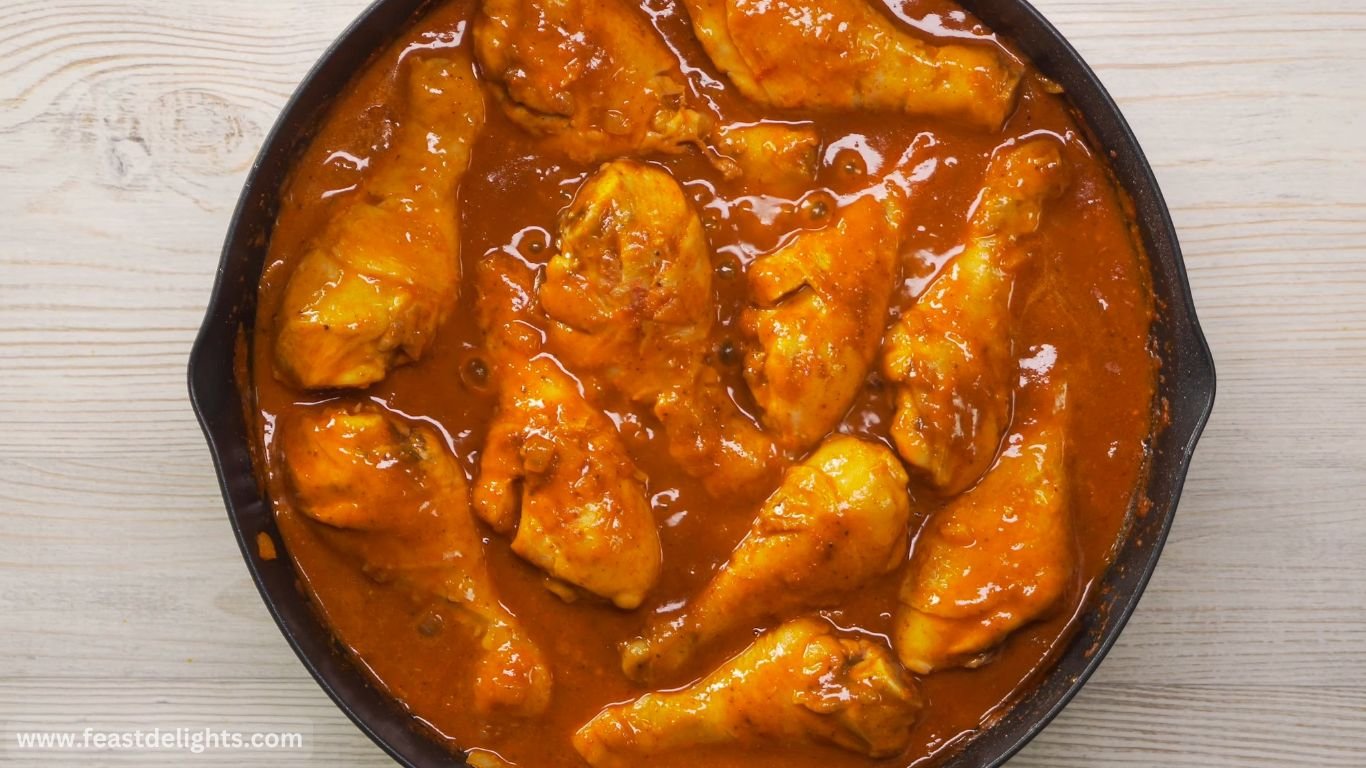
Recipe card
Hungarian-Style Chicken Paprikash with Sour Cream
Includes browning, softening vegetables, bringing broth to a simmer and 25–30 minutes of covered braising.
Equipment: Deep 28 cm (11 inch) skillet with lid, knife, cutting board, tongs, small bowl, whisk, spoon and instant-read thermometer.
Ingredients
Chicken and sauce
Creamy finish
Chicken and sauce
To serve
Instructions
Brown the thighs
Pat the boneless thighs dry. Heat oil in a deep skillet over medium-high heat. Brown for about 3 minutes per side, working in batches if necessary. Transfer to a plate reserved for the partly cooked chicken; do not eat yet.
Soften onions and bloom paprika
Reduce heat to medium and cook sliced onions and bell pepper for about 7 minutes, stirring until softened. Take the pan off direct heat, stir in sweet paprika and tomato paste for about 30 seconds, then immediately add some of the broth to prevent scorching.
Braise until tender
Pour in the remaining broth, scrape up browned bits and return chicken and any juices to the pan. Season with salt and pepper. Cover and simmer gently for 25–30 minutes, or until every thigh reaches at least 74°C (165°F) and is tender. Uncover briefly if the sauce is watery.
Temper the sour cream
Remove the skillet from the heat. In a bowl, whisk a few spoonfuls of warm sauce gradually into the sour cream, then stir the mixture back into the pan. Keep the sauce below a vigorous boil so it stays smooth.
Finish and serve
Taste the sauce and adjust salt if needed. Scatter parsley and serve four portions with dumplings, potatoes or noodles.
How to keep paprika from burning
Brown the chicken first and soften the onions and pepper in the same pan. The browned residue adds savoury depth. Take the skillet off direct heat before adding paprika; ground spices can scorch quickly in hot fat. Stir briefly and immediately add stock. This technique is also described in We Love Budapest’s Hungarian paprikash recipe. Return the chicken to the sauce and maintain a gentle covered simmer. Check each thigh reaches at least 74°C (165°F), following FoodSafety.gov guidance.
How to finish a smooth sour cream sauce
Once the chicken is fully cooked, remove the pan from direct heat. Gradually whisk several spoonfuls of the warm sauce into the sour cream in a separate bowl. This reduces the sudden temperature change that can cause the dairy to separate. Stir it back into the pan. If the sauce needs reducing, do that before adding the sour cream, not afterwards.
Troubleshooting
The sauce is watery
Uncover and simmer briefly before adding dairy. The sauce should lightly coat a spoon without becoming a heavy gravy.
The sauce has split
Remove the pan from heat and whisk gently. A slightly grainy sauce may still taste good, but vigorous boiling can make the texture worse. Temper the dairy next time.
The chicken is tough
Check that the simmer is gentle and the thighs are fully cooked. If they need more time to become tender, continue braising before adding sour cream.
Serving and variations
Hungarian-style dumplings or egg noodles are suitable accompaniments. Mashed potatoes also absorb the sauce well. A fresh cucumber salad with dill provides a crisp contrast. For other Hungarian-inspired dishes, see our beef goulash, or try chicken piccata for a different skillet sauce. Add a little hot paprika if desired; the main seasoning should remain sweet paprika.
Make ahead, storage and allergens
Braise the chicken in advance and add the sour cream when finishing the sauce, or store the completed dish. Refrigerate in shallow covered containers at 4°C (40°F) or below within 2 hours, or 1 hour above 32°C (90°F). Use within 3 days. Reheat gently, stirring the sauce, until the chicken reaches 74°C (165°F). Freeze the cooked base before adding sour cream for up to 2 months for best quality; thaw in the refrigerator. Contains milk; check stock and accompaniments for wheat, celery and other allergens. This recipe is a practical adaptation, not a claim that every Hungarian household uses the same ingredients.
Frequently asked questions
Is paprikash the same as goulash?
No. Chicken paprikash is commonly finished with sour cream, whereas Hungarian goulash is usually a brothier meat and vegetable dish.
Can I use chicken breast?
Yes, but breasts tend to dry out during long braising. Check their temperature earlier and remove once they reach 74°C (165°F).
Can I use hot paprika?
Replace only a small portion of the sweet paprika with hot paprika unless you want a very spicy sauce.
Can I use yogurt instead of sour cream?
Thick full-fat plain yogurt can work, but it is tangier and may separate more readily. Temper it and stir in off the heat.
What are nokedli?
Nokedli are small Hungarian flour-and-egg dumplings often served with paprikash. Egg noodles or potatoes are practical alternatives.
Why does my paprika sauce taste bitter?
Ground paprika can scorch quickly in hot fat. Add it away from direct heat and promptly add broth.
More recipes to try






Spotted a detail that needs correcting? Contact the FeastDelights editors.