Hanukkah Sufganiyot (Jam-Filled Yeast Doughnuts)
These Hanukkah sufganiyot are round, golden yeast doughnuts filled with thick strawberry or cherry jam and finished with a dusting of icing sugar. Milk, eggs and butter enrich the dough, while two rises help develop its texture. A steady frying temperature allows the centres to cook before the outside becomes too dark. The recipe is intended to make twelve doughnuts, with an estimated minimum of 2 hours 45 minutes including proofing and brief cooling. Serve freshly filled for the best texture.
Hanukkah sufganiyot are fried yeast doughnuts filled with fruit jam. This dairy-enriched version makes an estimated twelve rounds with a soft interior and a golden crust, finished with icing sugar. Allow at least 2 hours 45 minutes, including two rises and cooling before filling.
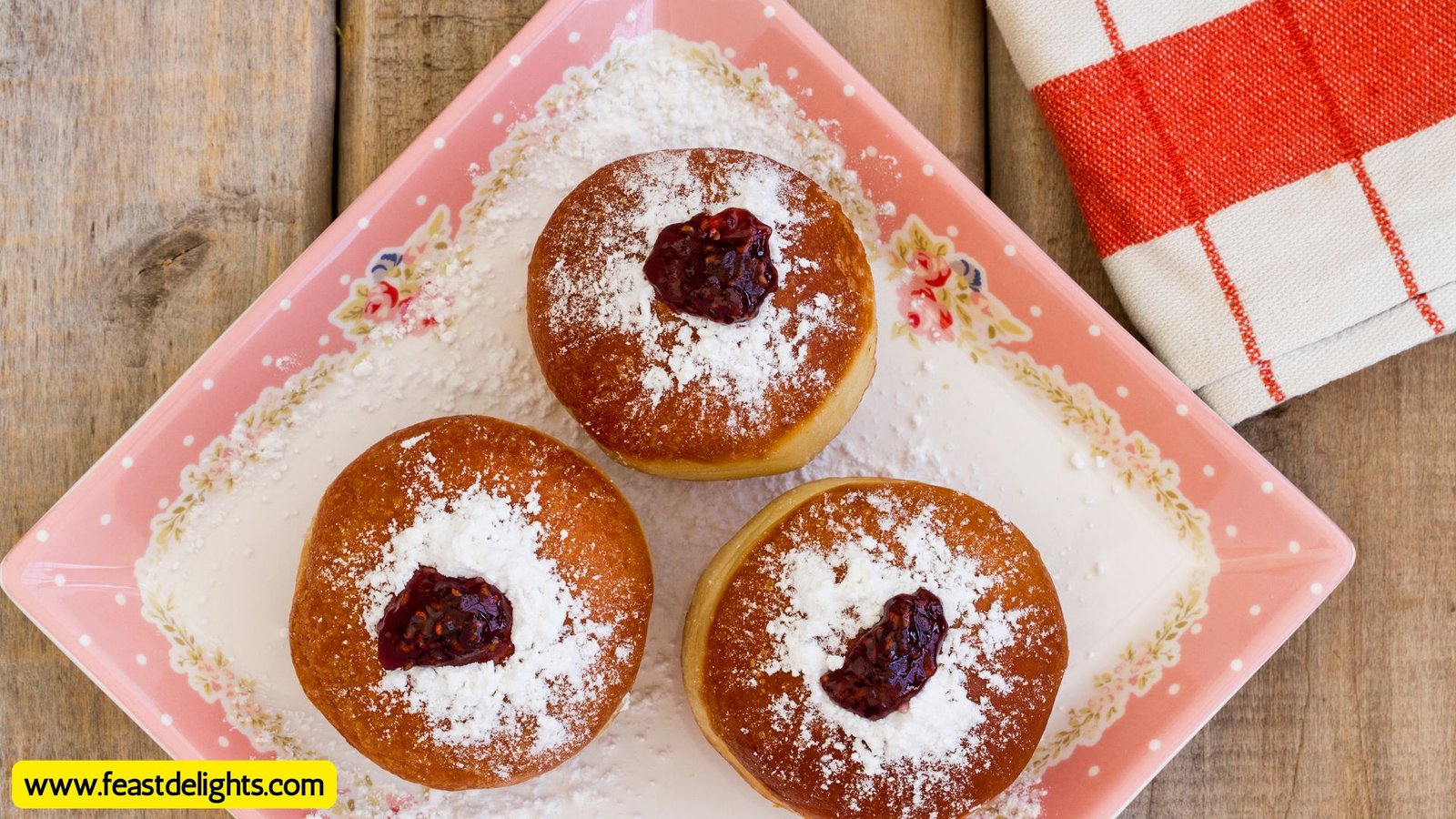
Recipe card
Hanukkah Sufganiyot (Jam-Filled Yeast Doughnuts)
Minimum estimate: first rise 60 minutes, second rise 30 minutes and cooling 20 minutes. Longer rises (90 and 45 minutes) bring total to about 210 minutes; extra batches may add time. Original dough is relatively firm and the stated yield requires kitchen testing.
Equipment: Kitchen scale, large bowl, dough hook or hands for kneading, rolling pin, 8 cm round cutter, lined tray, deep heavy saucepan, frying thermometer, slotted spoon, rack and piping bag with narrow nozzle.
Ingredients
Yeast dough
Filling and finishing
Frying
Filling and finishing
Instructions
Mix and knead enriched dough
Combine flour, instant yeast, sugar and salt. Add lukewarm milk, eggs and soft butter. Knead 8–10 minutes until smooth; if dry flour remains, add milk a teaspoon at a time as needed.
Allow the first rise
Cover and rise 60–90 minutes until roughly doubled, allowing longer in a cool room.
Cut rounds and proof
Roll about 1.5 cm thick, cut 8 cm rounds and place on a lightly floured tray. Cover and proof 30–45 minutes until puffy.
Fry at controlled temperature
Heat neutral oil in a deep pan with safe headroom to 170°C (340°F). Fry in small batches 2–3 minutes per side until golden and cooked through; check first doughnut for a set centre. Drain on a rack.
Cool, fill and dust
Cool until just warm, about 20 minutes. Pipe thick jam into each doughnut and dust with powdered sugar just before serving.
Why sufganiyot are served at Hanukkah
Fried foods such as sufganiyot and latkes are traditional at Hanukkah in remembrance of the miracle of the oil, as explained by My Jewish Learning. Filled doughnuts take many forms. This recipe contains milk and butter, so it is a dairy version rather than pareve. Choose ingredients with appropriate certification if keeping kosher and plan the meal accordingly.
Measuring the enriched dough
Weigh 500 g plain (all-purpose) flour instead of scooping it into a cup. Use 7 g instant yeast (roughly 2¼ teaspoons), 100 g sugar, 120 ml milk (half a US cup), two eggs and 40 g soft butter (about 3 tablespoons). Warm milk until lukewarm, not hot. The measured formula is relatively low in liquid for an enriched dough; flour absorption and egg size vary. If dry flour remains after mixing and resting briefly, add milk a teaspoon at a time until the dough can be kneaded. This is a practical adjustment, not a tested change to the original proportions. The exact hydration, cutter yield and final texture need kitchen confirmation.
First rise and shaping
Mix the dry ingredients, then add milk, eggs and softened butter. Knead for about eight to ten minutes, until the dough is smooth and stretches without immediately tearing. Cover the bowl and let it rise until roughly doubled. Sugar and butter can slow yeast activity, particularly in a cold room. Allow one to one and a half hours or longer if needed.
Roll the dough on a lightly floured surface to about 1.5 cm (just over half an inch). Cut 8 cm (roughly 3-inch) rounds and place them on a lightly floured or lined tray. Gather scraps gently and reroll after a short rest. The number of doughnuts depends on thickness and cutter size; divide jam among the rounds actually produced. Cover and proof 30–45 minutes until puffy and a gentle fingertip impression returns slowly.
Frying at a steady temperature
Use a deep heavy saucepan with plenty of empty space above the oil; never fill it more than one-third full. The litre of neutral oil is an allowance, not a consumed ingredient. Heat to about 170°C (340°F) and monitor with a frying thermometer. Lower a few rounds into the oil carefully, keeping water away from the pan. Fry two to three minutes per side as a guide. Adjust the heat to maintain temperature between batches. Cut open the first doughnut once it is cool enough to handle: the crumb should be set throughout with no raw, sticky dough. If the crust is dark but the centre is uncooked, reduce heat slightly and allow more time. Drain on a rack. Never leave hot oil unattended or use water on an oil fire. See Illinois Extension kitchen fire guidance.
Filling with jam
Allow the doughnuts to cool until just warm, about 20 minutes depending on size. Choose thick, smooth strawberry or cherry jam, removing large pieces if they might clog the piping nozzle. Make a small opening in the side of each doughnut and pipe in a portion of the 200 g jam. Stop before the filling bursts through the crust. Dust with icing sugar (powdered sugar) just before serving.
Troubleshooting
Dense doughnuts: allow enough rise time and make sure the dough is pliable, not dry. Greasy crust: let the oil return to temperature between batches. Raw centres: fry at a controlled temperature and check the first round before cooking the rest. Jam leaks: use thick jam and avoid overfilling. Powdered sugar disappears: wait until the surface has cooled and dried before dusting.
Serving and variations
Serve with crisp potato latkes as another Hanukkah dish. For other doughnut styles, see filled yeast doughnuts or no-yeast kefir doughnuts. Raspberry jam can replace strawberry or cherry by weight. A little finely grated citrus zest can be added to the dough. Contains wheat, milk and eggs; avoid tasting raw dough.
Frequently asked questions
Can I use active dry yeast?
Follow the packet's instructions for an equivalent quantity and dissolving it in some of the measured milk.
Why are my doughnuts dense?
The dough may be too dry or underproofed. Allow both rises to finish by appearance, and add a little milk if the dough cannot be kneaded.
Can I use raspberry jam?
Yes. Use thick jam without large pieces that could clog the nozzle.
Why do doughnuts absorb too much oil?
Oil that is too cool or a crowded pan can lead to greasy doughnuts. Monitor the temperature and fry in small batches.
Are these sufganiyot pareve?
No. The measured recipe includes milk and butter.
More recipes to try

Cream Cheese Cheesecake Danish with Lemon and Vanilla

Fresh Fruit Salad with Orange Honey Dressing

Ptichye Moloko Bird’s Milk Mousse with Chocolate Glaze
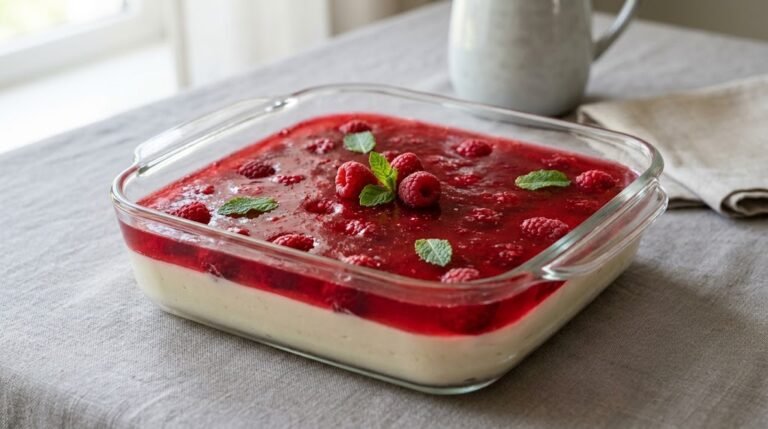
Bird’s Milk Jello with Creamy Mousse and Raspberry Jelly
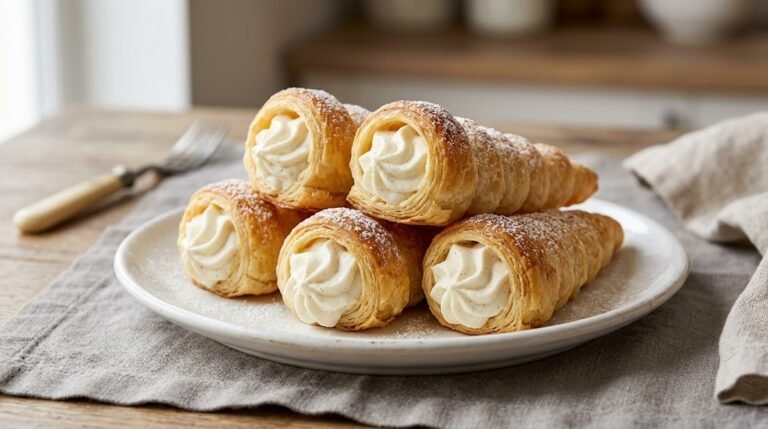
Cream Horn Trubochki with Vanilla Cream Filling
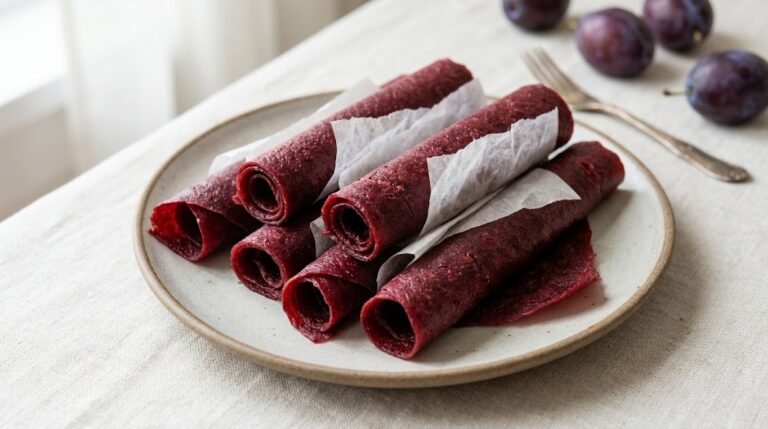
Homemade Plum Fruit Leather with a Little Lemon
Spotted a detail that needs correcting? Contact the FeastDelights editors.