No-Yeast Kefir Doughnuts with Cinnamon Sugar
These no-yeast kefir doughnuts are lightly tangy, tender fried rings coated in cinnamon sugar. Plain kefir works with baking soda and baking powder to give the dough lift without yeast or a long rise. A short refrigerator rest makes the soft dough easier to roll and cut. The recipe makes about ten to twelve rings in approximately 70 minutes, including chilling and batch frying. Serve while warm for the best contrast between the soft centre and lightly crisp exterior.
No-yeast kefir doughnuts are soft, lightly tangy fried rings with a cinnamon sugar coating. This recipe makes ten to twelve doughnuts in about 70 minutes, including a 20-minute refrigerator rest. Unlike yeast-raised doughnuts, these use baking powder and baking soda and have a more cake-like crumb.
Choosing kefir and the other ingredients
Use plain unsweetened kefir made from pasteurised milk. Its acidity reacts with baking soda, while baking powder provides additional lift. Measure both leaveners accurately. Kefir thickness varies, so weigh the flour and assess the dough after mixing and chilling before adding any extra flour. Melt the unsalted butter and cool it before combining with egg. Use a neutral refined oil suitable for deep frying, such as sunflower or canola. The listed litre is for the frying vessel, not the amount consumed; use a vessel that can safely accommodate it.

Recipe card
No-Yeast Kefir Doughnuts with Cinnamon Sugar
Includes 20 minutes chilling. Batch size, heating the oil and recovery between batches may extend cooking time.
Equipment: Kitchen scale, mixing bowls, whisk, spatula, rolling pin, 7 cm doughnut cutter or two round cutters, heavy deep saucepan, deep-fry thermometer, dry slotted spoon, rack and tray.
Ingredients
Dry ingredients
Wet ingredients
Frying
Coating
Instructions
Mix dry ingredients
Whisk flour, sugar, baking powder, baking soda and salt in a large bowl.
Mix wet ingredients
Whisk egg, plain kefir, cooled melted butter and vanilla in another bowl.
Mix and chill
Fold wet ingredients into dry just until a soft dough forms. Cover and refrigerate 20 minutes.
Roll and cut rings
Roll on a lightly floured surface to 1 cm (⅜ inch) thick. Cut with a 7 cm (2¾ inch) round cutter and a smaller centre cutter. Reroll scraps gently.
Fry in small batches
Heat oil in a heavy deep-sided pot to 170°C (340°F), leaving ample headroom. Fry a test ring 2–3 minutes per side until golden and cooked through; cut open to confirm no wet dough. Fry remaining rings in small batches, returning oil to temperature between batches.
Drain and coat
Transfer rings to a rack over a tray. Mix coating sugar and cinnamon, then toss the doughnuts while still warm.
Mix, chill and cut the dough
Combine the dry ingredients first so the leaveners are evenly distributed. Whisk kefir, egg, cooled butter and vanilla separately. Fold the mixtures together just until a soft dough forms. Do not knead as you would bread. Chill covered for 20 minutes, then roll on a lightly floured board to about 1 cm (⅜ inch) thick. Cut rings with a 7 cm (2¾ inch) cutter and a smaller centre cutter. Dip the cutter in flour if it sticks. Gather scraps gently and reroll only as needed; repeated rolling toughens the dough. Fry the cut centres separately and check them earlier.
Fry safely and check the first doughnut
Use a stable heavy deep-sided pot, with sufficient oil for the rings to float and plenty of headroom; do not fill the pot more than halfway. Heat over medium heat to 170°C (340°F) using a deep-fry thermometer. Keep water away from hot oil, use dry utensils and never leave the pot unattended. Fry one ring first for about two to three minutes per side, then drain and cut it open after a short cooling rest. The centre should be set with no wet dough. Adjust time and heat before frying the rest. Lower rings carefully away from yourself and cook in small batches, allowing the oil to return to temperature between them. If oil smokes, turn off the heat; never put water on an oil fire.
Troubleshooting
If dough is sticky, chill a little longer and dust the board lightly instead of adding handfuls of flour. If the rings are dark outside but raw inside, check oil temperature and thickness, then fry a fresh test ring at a steadier heat. If they absorb excessive oil, avoid crowding and check that the oil has recovered between batches. Drain on a rack set over a tray, then coat with the combined cinnamon and sugar while warm.
Variations and allergens
Plain cultured buttermilk or yoghurt thinned with milk to a kefir-like consistency may work, although acidity and dough texture can differ. Add a little nutmeg if desired. The dough contains wheat, milk and egg. Shared frying oil can carry allergens from other foods. For different doughs, see yeast doughnuts, Polish pączki or churros with chocolate sauce.
Serving and storage
Serve warm with coffee or fresh fruit. Cool leftover unfilled doughnuts on a rack before covering; eat within a day at room temperature or refrigerate for up to two days. Freeze well wrapped for up to a month for best quality, thaw and warm briefly in the oven. Do not taste raw flour-and-egg dough. Once frying oil has cooled completely, dispose of it safely rather than pouring it down the sink.
Frequently asked questions
Can I skip the chilling time?
It helps make the soft dough easier to cut. Keep it for this formula.
Do these need yeast?
No. Kefir, baking soda and baking powder provide the leavening.
Can I bake them instead?
This dough is intended for frying. A tested baked doughnut formula is preferable.
Why are the centres raw?
The oil may be too hot or rings too thick. Check temperature and fry a test ring until the centre is fully set.
Can I use sweetened kefir?
Plain unsweetened kefir is preferred; sweetened products may affect browning and sweetness.
More recipes to try

Cream Cheese Chocolate Truffles Rolled in Cocoa

Cream Cheese Cheesecake Danish with Lemon and Vanilla

Fresh Fruit Salad with Orange Honey Dressing

Ptichye Moloko Bird’s Milk Mousse with Chocolate Glaze
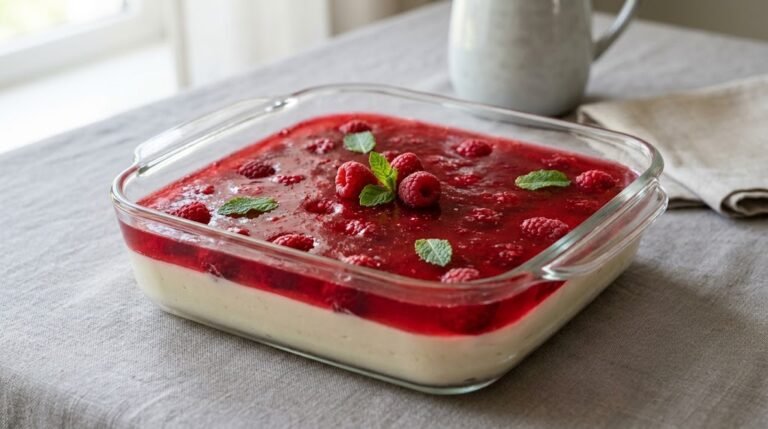
Bird’s Milk Jello with Creamy Mousse and Raspberry Jelly
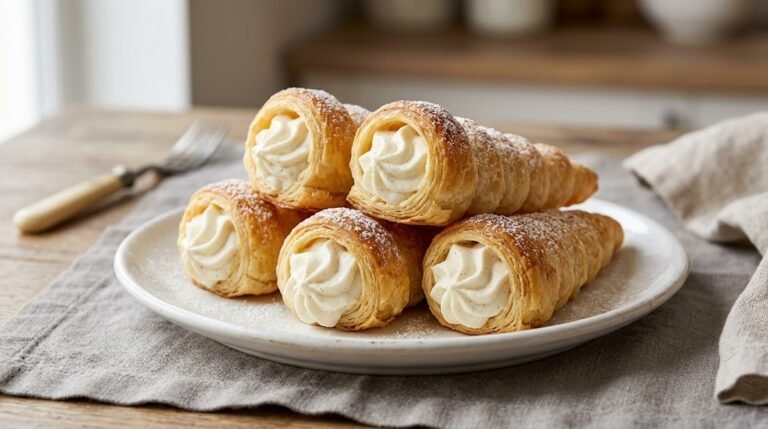
Cream Horn Trubochki with Vanilla Cream Filling
Spotted a detail that needs correcting? Contact the FeastDelights editors.