Baked Pangasius with Garlic, Lemon and Butter
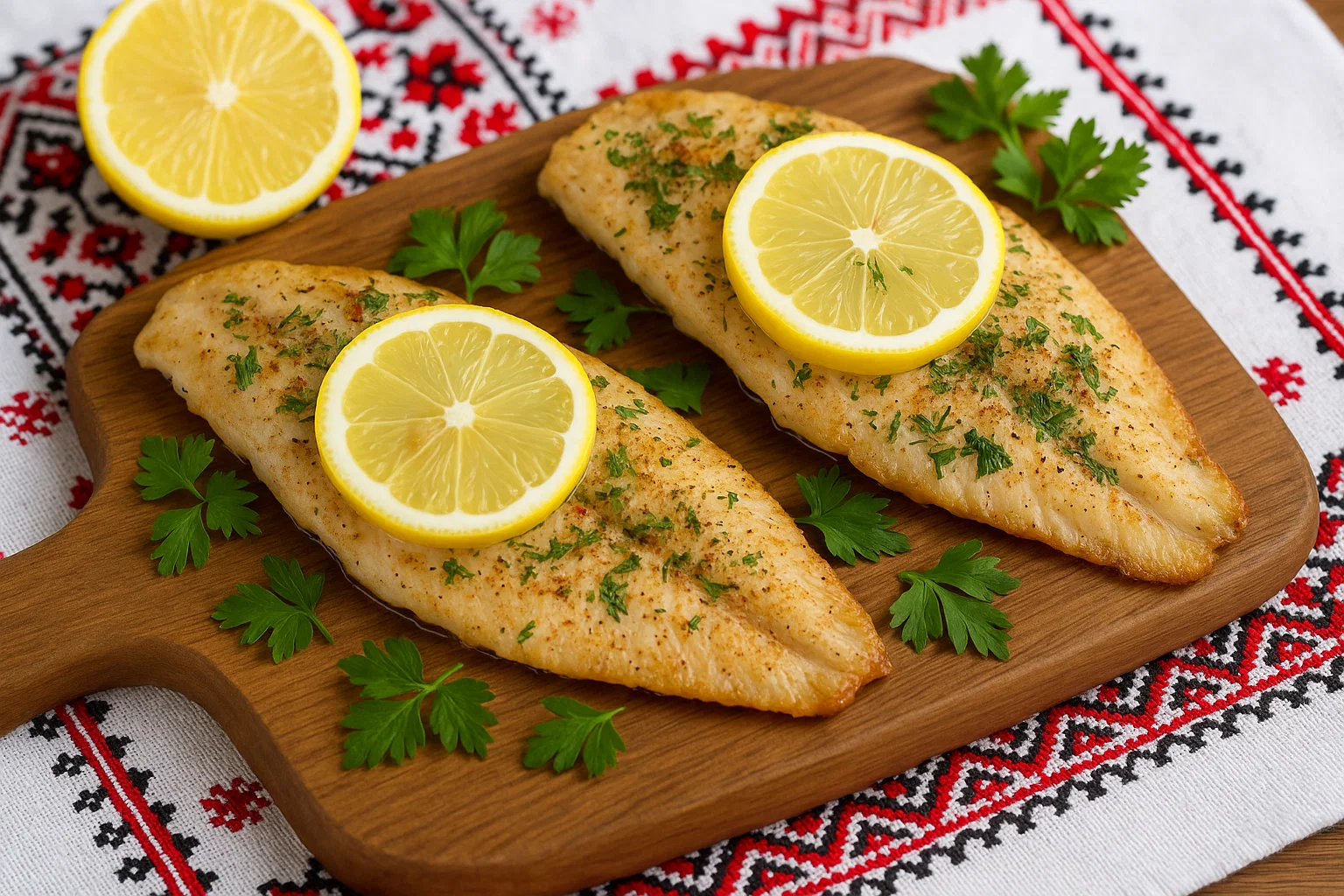
Baked pangasius is a mild, tender white fish dish flavoured with garlic, lemon, butter and fresh dill or parsley. The fillets are lightly seasoned and rested briefly in the refrigerator before baking, so the garlic and citrus complement rather than overpower the fish. This recipe serves three and takes about 50 minutes using thawed fillets. Thin pieces may finish earlier than thick ones. Serve with the lemon butter juices, potatoes or rice and a crisp salad for a simple dinner.
Pangasius is a mild white fish, commonly sold as frozen boneless fillets. Baking it with lemon, garlic and butter gives the delicate flesh a savoury finish without needing a flour coating or frying. This recipe serves three, with 25 minutes of preparation including a short refrigerated rest and up to 25 minutes of cooking. Thawing frozen fish is extra time.
Choose the fish and seasonings
Use 600 g (21 oz) pangasius fillets, weighed after thawing and draining. Look for evenly sized pieces with a mild smell and intact flesh. Fish sold under names such as basa or swai can vary in species and thickness; check the label. Thaw in the refrigerator overnight. If vacuum-packed, remove from the reduced-oxygen packaging before refrigerator thawing unless the manufacturer provides other safe instructions. Pat dry with kitchen paper so the oil and garlic cling rather than forming a watery marinade.
One lemon provides juice and slices; reserve some for serving before handling raw fish. Mince two or three garlic cloves, depending on size. Two tablespoons olive or sunflower oil carry the seasoning, while 20 g (about 1½ tablespoons) butter melts around the fish. If using a commercial fish seasoning, check for salt before adding more. Fresh dill gives a grassy aroma; parsley has a milder flavour. Add most of the herbs after baking.
Equipment and preparation
Use a shallow baking dish large enough for a single layer, knife, board, small bowl, fish spatula and fine-tip thermometer. Preheat a conventional oven to 180°C (350°F). Cut thick and thin sections into comparable portions where practical. Fold a particularly thin tail end underneath itself to reduce uneven cooking.
Recipe card
Baked Pangasius with Garlic, Lemon and Butter
Preparation includes a 10-minute refrigerated rest; thawing is additional. Thin fillets may cook sooner.
Equipment: Shallow baking dish, knife, board, small bowl, fish spatula, fine-tip thermometer
Ingredients
Fish
Seasoning and baking
To finish
Seasoning and baking
Instructions
Thaw, dry and preheat
Thaw frozen fish safely in the refrigerator, removing vacuum packaging before thawing unless safe manufacturer instructions specify otherwise. Drain and pat dry. Preheat oven to 180°C (350°F).
Season and refrigerate briefly
Rub with minced garlic, some lemon juice, oil, salt, pepper and optional fish seasoning. Cover and refrigerate for about 10 minutes. Reserve clean lemon wedges for serving.
Arrange in a baking dish
Place fillets in a single layer, dot with measured butter and add lemon slices alongside.
Bake until cooked through
Bake for up to 20–25 minutes, checking thin pieces from 12–15 minutes. Cook each thickest centre to 63°C (145°F); flesh should be opaque and flake easily.
Finish with fresh herbs
Transfer to clean plates, spoon over the pan juices and scatter dill or parsley. Serve with reserved lemon.
How to tell when pangasius is cooked
Begin checking thin fillets at about 12–15 minutes. The original 20–25 minute range is an estimate, not a requirement for every piece. Insert a fine-tip food thermometer sideways into the thickest centre; aim for 63°C (145°F). The flesh should become opaque and separate into flakes with gentle pressure. Remove pieces individually as they finish so thinner fillets do not dry out. Spoon the warm buttery juices over the fish just before serving.
Troubleshooting
If the dish fills with water, the fish may have retained ice glaze or thawing liquid. Drain and dry it more thoroughly next time. If the garlic browns before the fish cooks, tuck it into the oil or under lemon slices. If the fish is dry, start checking earlier rather than increasing the butter. Avoid a long lemon soak: acid changes surface texture but does not make raw fish safe to eat.
Substitutions and serving
Tilapia or other mild white fish fillets can be used, with timing adjusted to thickness. Omit butter and use a little extra olive oil for a dairy-free adaptation. The original recipe contains fish and milk; check seasoning blends for other allergens. Serve with mashed potatoes, steamed vegetables or rice. For other fish dishes try baked halibut with herbs, foil-baked sea bass or baked trout with almonds.
Make ahead and storage
Prepare the seasonings ahead, but keep fish chilled and add lemon shortly before baking. Use separate clean utensils for cooked fish. Refrigerate leftovers in shallow covered containers at 4°C (40°F) or below within two hours, or one hour above 32°C (90°F). Use within two days. Reheat gently, covered, to 74°C (165°F). Freeze cooked portions promptly for up to two months for best quality; thaw in the refrigerator. See FDA seafood handling guidance and FoodSafety.gov cooking temperatures.
Frequently asked questions
Can I bake frozen fillets without thawing?
Follow the package instructions if cooking from frozen; the timing here assumes thawed fish.
Why is my fish watery?
Excess thawing liquid or ice glaze can collect in the dish. Pat the fillets dry.
Is lemon juice enough to cook fish safely?
No. Cook to 63°C (145°F); the lemon is for flavour.
Can I omit garlic?
Yes. Use lemon and fresh herbs alone for a milder dish.
Can I use another white fish?
Yes, adjust the baking time according to thickness.
More recipes to try






Spotted a detail that needs correcting? Contact the FeastDelights editors.