Cherry Sauce for Meat with Red Wine and Balsamic
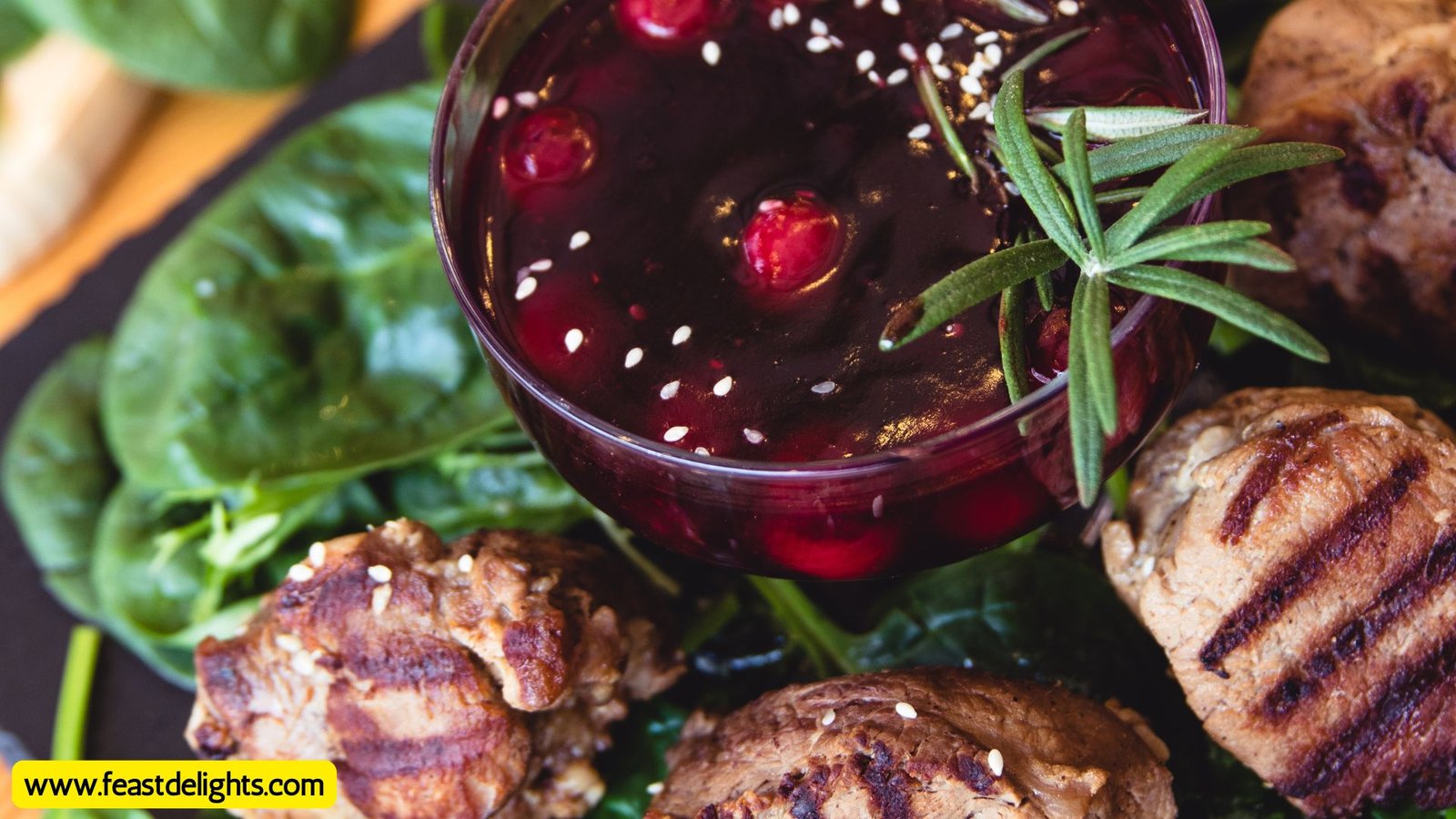
Sweet-tart cherries simmer with dry red wine, balsamic vinegar, sugar and a touch of warming spice to make a glossy sauce for cooked meat. A cold-water cornstarch slurry gives it a spoon-coating consistency without prolonged reduction, and you can leave the softened cherries whole or blend them for a smoother finish. The recipe makes roughly 500 ml in 40 minutes. Serve warm with duck, pork or beef, or refrigerate the sauce for a later meal.
Cherry sauce for meat is a glossy sweet-tart condiment made with pitted cherries, dry red wine, balsamic vinegar and a little curry powder or ginger. Cornstarch thickens it just enough to coat a spoon. This recipe makes about 500 ml in 40 minutes, depending on the fruit and reduction, and pairs especially well with roast duck, pork or beef.
Choosing the cherries, wine and spices
Use 500 g (17.6 oz) pitted cherries. Sweet cherries produce a softer, rounder flavour; tart cherries make a more sharply acidic sauce. Frozen pitted fruit works well because it releases its juices as it thaws. Check that no pits remain before blending or serving. The measured 100 g sugar balances tart fruit and vinegar. Dry red wine contributes fruitiness and depth rather than additional sweetness, while balsamic vinegar adds a more concentrated sweet-sour note.
Choose either the half teaspoon of curry powder or ground ginger. Curry blends vary and may contain mustard or other allergens. Ginger gives a simpler warming note. Black pepper and salt keep the sauce savoury. Wine and balsamic may contain sulphites; check the labels if relevant to dietary needs. Simmering wine does not guarantee an alcohol-free result.
Recipe card
Cherry Sauce for Meat with Red Wine and Balsamic
Cooking includes bringing the fruit mixture to a simmer and thickening; reduction and final yield vary with fruit juiciness.
Equipment: Cherry pitter or small knife, kitchen scales, 2–3 litre (2–3 quart) heavy saucepan, measuring jug, small bowl, whisk and wooden spoon
Ingredients
Cherry sauce
Slurry
Instructions
Prepare the cherries
Wash fresh cherries, remove stems and pits, and weigh 500 g after pitting. Alternatively thaw frozen pitted cherries in the refrigerator and retain their juices. Check for stray pits.
Simmer the fruit and wine
Place cherries, sugar and dry red wine in a heavy saucepan. Bring to a gentle simmer over medium heat, stirring to dissolve the sugar, and cook for about 10 minutes until the cherries soften and release their juice.
10 minAdd vinegar and spices
Stir in balsamic vinegar, the chosen curry powder or ground ginger, black pepper and a little salt. Taste cautiously and keep the sauce at a gentle simmer.
Thicken with the slurry
Whisk cornstarch with two tablespoons of cold water until smooth. Stir again just before adding to the simmering cherries. Pour in slowly while stirring and simmer gently for about 3–5 minutes until glossy and thick enough to coat a spoon.
5 minFinish and serve
Leave the softened cherries textured or blend after cooling slightly, using suitable equipment for hot liquids. Serve warm with cooked meat or chill promptly for later use.
Thickening without lumps
Bring the cherries, sugar and wine to a gentle simmer rather than boiling vigorously. Once the cherries soften, add vinegar and seasonings. In a separate bowl, whisk cornstarch with the two tablespoons of cold water until no dry lumps remain. Starch settles quickly, so stir just before pouring it into the hot sauce. Stir constantly as it thickens. The finished sauce should look glossy and leave a thin coating on the back of a spoon, not behave like jam. It will firm up further as it cools.
Troubleshooting the balance and texture
If the sauce is too thick, loosen it with a small splash of water. If it is still thin, let the slurry cook briefly before deciding whether it needs more thickener. Avoid long vigorous boiling after thickening. Taste once the vinegar and spices are combined; sweeter fruit may need a little extra acidity and tart fruit may need more sweetness. Any adjustment changes the original measured formula and is for flavour only.
Serving and variations
Try the sauce with roast duck with apples and apricots, roast pork or a beef steak. Another pairing is beef Wellington, with the sauce served separately to preserve the pastry. This is a savoury condiment, unlike the fruit sauce in Danish rice pudding with cherry sauce. Replace the red wine with unsweetened pomegranate juice if you want a wine-free variation, recognising that the flavour will change.
Make ahead and storage
The sauce can be prepared a day ahead and warmed before serving. Cool the sauce in shallow covered containers and refrigerate at 4°C (40°F) or colder within two hours (one hour above 32°C/90°F). Use within three days. Freeze for up to two months for best quality, thaw in the refrigerator and stir well because cornstarch-thickened sauces may separate. Bring to a boil when reheating, then serve. This is a refrigerator or freezer sauce, not a shelf-stable preserve. Do not hot-fill jars for storage in the pantry; this recipe has not been validated for canning.
Spoon a little warm cherry sauce alongside cooked meat just before serving. Taste for the balance of fruit, sweetness and acidity, and remember that the sauce thickens further as it cools.
Frequently asked questions
Can I make cherry sauce without wine?
Replace the red wine with the same volume of unsweetened pomegranate juice for a different flavour. Check the balsamic and all other ingredients if complete avoidance of alcohol is important; cooking wine does not guarantee removal of all alcohol.
Do sour cherries work?
Yes. They produce a more tart sauce. Taste before making any adjustment to the sugar or vinegar.
Why is my sauce lumpy?
Cornstarch can clump in hot liquid. Mix it thoroughly with cold water first and stir as you pour it into the simmering sauce.
What if the sauce becomes too thick?
Add a little water and warm gently while stirring. The sauce naturally becomes thicker as it cools.
Can I leave the cherries whole?
Yes. A textured sauce is particularly good with roast meat. Blend only if you prefer a uniform texture.
Can I can this sauce for the pantry?
No. The vinegar, wine and sugar in this recipe do not establish a validated shelf-stable canning process. Refrigerate or freeze it.
More recipes to try






Spotted a detail that needs correcting? Contact the FeastDelights editors.