Crisp Beer or Sparkling Water Batter for Frying
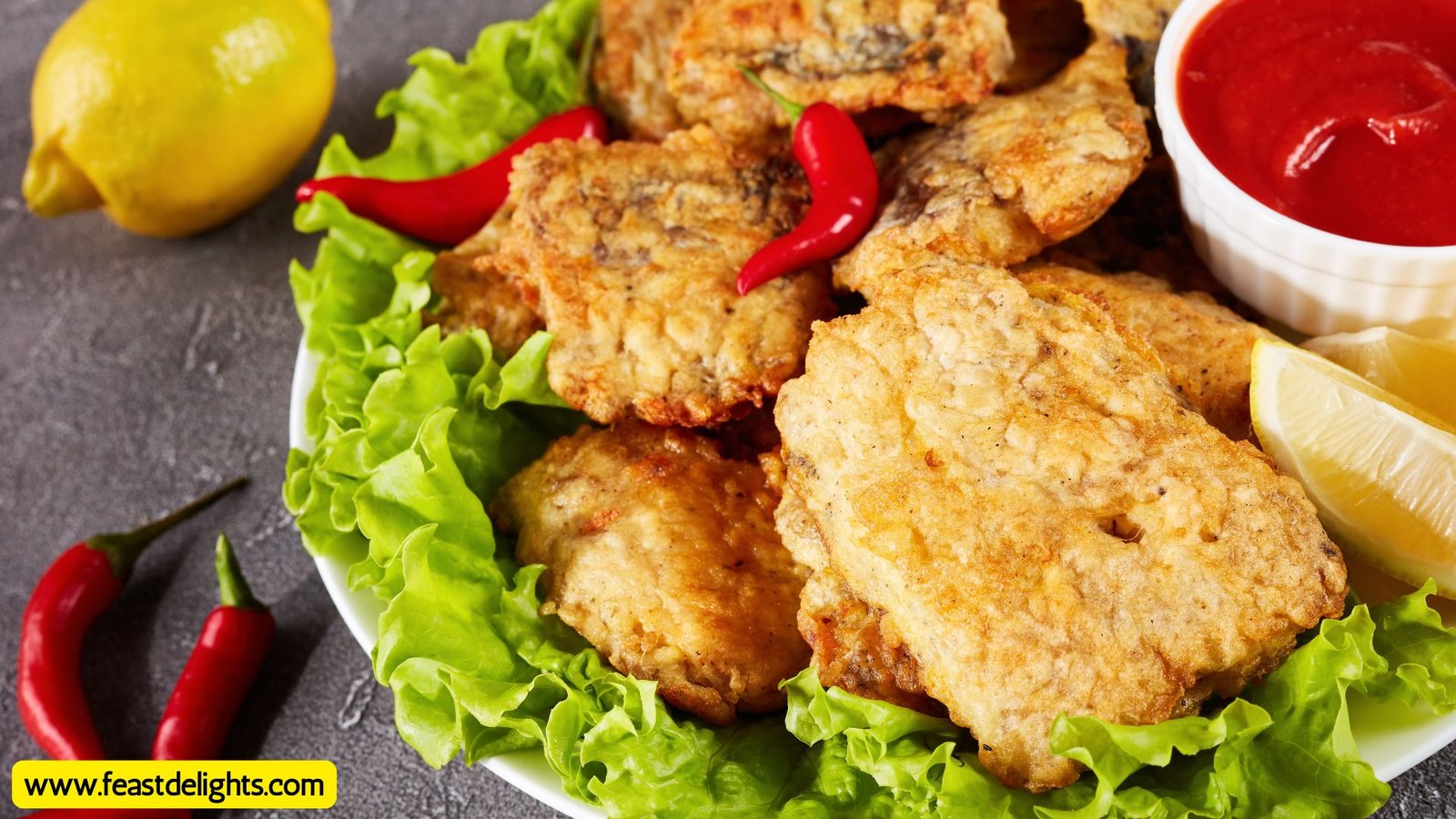
This crisp beer or sparkling water batter forms a light golden coating around fish, chicken strips or vegetables. Flour, cornstarch and baking powder provide structure and lift, while a cold carbonated liquid helps the batter stay light. The recipe makes about two cups of batter, with around thirty minutes needed for mixing and an initial batch of frying. Dry the food before dipping, fry in small batches at a controlled temperature and check the centre of meat or fish before serving.
Crisp beer or sparkling water batter is a versatile coating for frying, using flour, cornstarch, baking powder, egg and cold carbonated liquid. The measured batch makes about two cups of batter. Allow 10 minutes preparation and around 20 minutes frying, depending on the food and number of batches; the food to coat is additional.
Choose the ingredients and food to coat
All-purpose flour forms the shell, while cornstarch contributes a crisp texture and baking powder provides lift. Use chilled sparkling water for a no-beer version, or pale beer for a malty flavour. Cooking does not guarantee complete removal of alcohol; choose sparkling water if avoiding it. Keep the egg refrigerated until mixing and use neutral oil with a suitable frying temperature. The measured 750 ml frying oil is an estimate, not an amount absorbed or a fixed fill level. Select a deep, stable pan with ample headspace and use only the amount it safely accommodates.
Mix the batter and prepare the food
Whisk dry ingredients together. Beat the egg with cold sparkling water or beer and the teaspoon of oil, then add to the flour mixture. Whisk briefly until no dry streaks remain; a few small lumps are fine. A thin coating should cling to a piece without forming a thick doughy layer. Pat fish, small chicken strips or vegetables dry and dust lightly with the separate tablespoon of flour. Cut pieces to an even thickness. Dense vegetables may need pre-cooking, cooling and thorough drying before dipping. Use separate boards, bowls and utensils for raw animal foods and vegetables.
Recipe card
Crisp Beer or Sparkling Water Batter for Frying
30 minutes is an estimate for mixing and frying an initial batch. Actual frying time depends on food type, piece size and batch count.
Equipment: Mixing bowls, whisk, scales, deep heavy pan or fryer, frying thermometer, tongs, rack, tray and food thermometer.
Ingredients
Batter
Dredging
Frying
Instructions
Mix the dry coating ingredients
Whisk flour, cornstarch, baking powder and salt together.
Add cold carbonated liquid
Beat egg with chilled sparkling water or beer and 1 tsp oil; whisk into dry ingredients briefly until combined.
Dry and dust the food
Pat evenly cut food dry and dust lightly with the separate flour. Keep raw animal foods separate from vegetables and ready-to-eat food.
Fry in small batches and check doneness
Heat frying oil in a suitable deep pan to 175°C/350°F, leaving ample headspace. Dip pieces and fry in small batches until golden and cooked through. Verify fish reaches 63°C/145°F and poultry 74°C/165°F; finish thicker pieces safely in oven if needed.
Drain and serve safely
Drain on a rack and serve promptly. Discard batter that contacted raw animal foods and keep cooked foods away from contaminated utensils.
Fry safely and check the centre
Heat oil to about 175°C (350°F) using a frying thermometer. Never fill a deep pan more than one-third full with oil, and follow a fryer manufacturer’s limits. Keep water away from hot oil, lower pieces carefully away from you and never leave the pan unattended. Fry small batches and let oil recover between batches. A golden coating does not establish safe internal temperature: fish should reach 63°C/145°F and poultry 74°C/165°F, as advised by FoodSafety.gov. If the coating darkens before the centre is cooked, use thinner pieces or finish in the oven, checking temperature again. Drain on a wire rack over a tray. If oil catches fire, turn off heat if safe, cover with a metal lid and never use water.
Troubleshooting and variations
If batter slides off, dry the surface and dust lightly with flour. If the crust is greasy, check oil temperature and avoid crowding. If the coating is thick, add a small amount of fresh cold sparkling water before any raw food is dipped. Do not dilute or reuse contaminated batter. Add a pinch of paprika for a seasoned version. The base contains wheat and egg; beer may also contain barley. A partial rice-flour substitution changes texture and needs kitchen review. For a different coating technique see breaded chicken schnitzel or crisp pork schnitzel.
Make ahead and storage
Measure dry ingredients ahead, but combine the batter just before frying so its carbonation and baking powder are effective. Discard leftover batter after dipping raw fish, poultry or meat, and do not taste uncooked batter. Refrigerate cooked leftovers promptly within two hours (one hour above 32°C/90°F) and use within three days; reheat to 74°C/165°F in an oven for a firmer crust. The batter itself is best freshly mixed.
Frequently asked questions
Can I make the batter without beer?
Yes, use the measured amount of cold sparkling water.
Why is my coating greasy?
Oil may have cooled too much. Fry smaller batches and check temperature between rounds.
Can I mix the batter in advance?
Measure dry ingredients ahead, but mix just before frying for best lift.
Can I reuse batter after dipping chicken?
No. Discard it because raw chicken contaminates the batter.
Can I use the same batter for vegetables and fish?
Divide into separate clean bowls before dipping to avoid cross-contact.
How do I know the food is cooked?
Use an appropriate internal temperature for the food, not just the colour of the shell.
More recipes to try






Spotted a detail that needs correcting? Contact the FeastDelights editors.