Vegan Red Beans and Rice with Pepper and Thyme
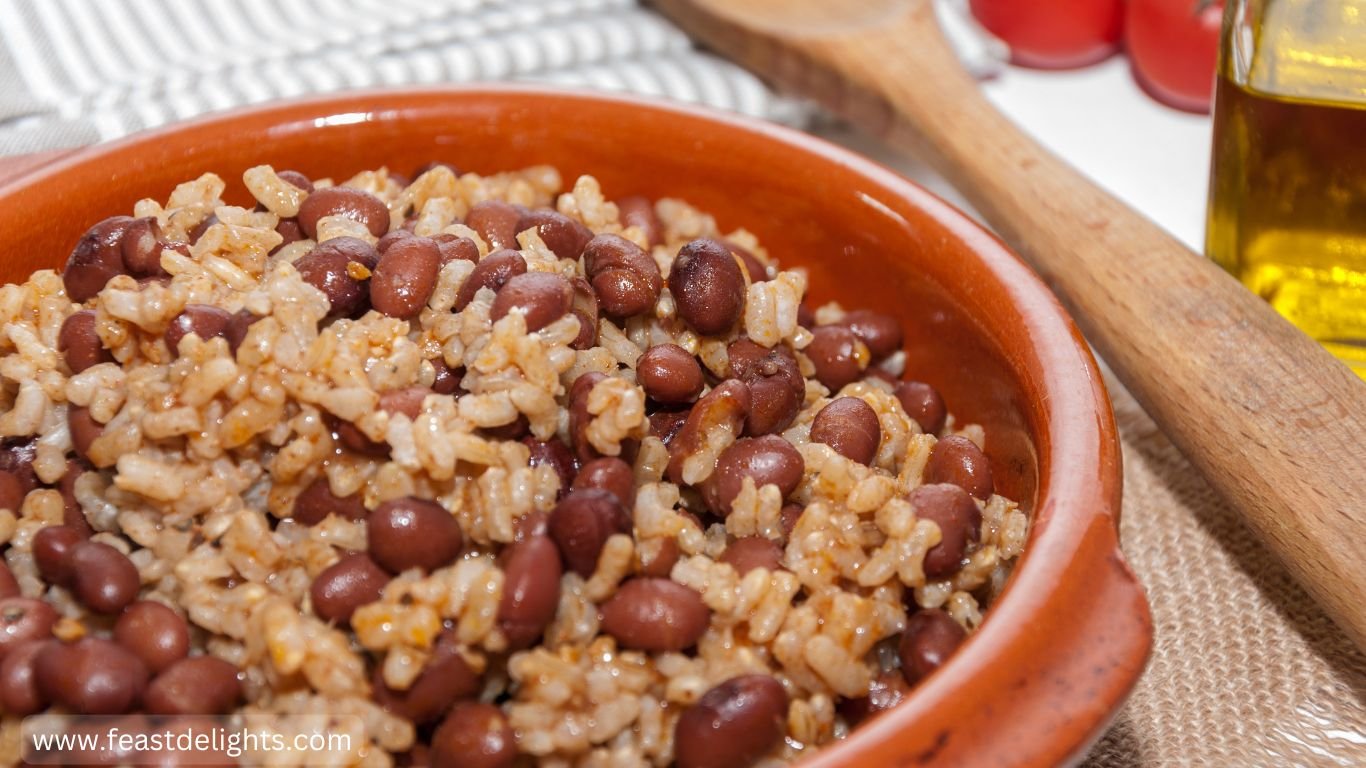
These vegan red beans and rice pair creamy kidney beans with fluffy long-grain rice, sweet red pepper, onion, garlic and thyme. This Creole-inspired meat-free meal serves six and uses everyday ingredients rather than smoked meat. Soak the dried beans overnight, then boil them vigorously before simmering until fully tender. A fresh parsley finish and optional lemon juice brighten the savoury sauce. Allow roughly two hours of cooking after soaking, or substitute canned kidney beans for a much faster weeknight dinner.
Vegan red beans and rice is a filling combination of tender kidney beans, separately cooked long-grain rice and a fragrant vegetable base. This meat-free version serves six, with red pepper, onion, garlic and thyme providing the savoury flavour. The beans should be creamy inside and the rice should remain fluffy. Start soaking the dried beans the night before, or use canned beans to shorten the preparation substantially.
Choosing dried or canned kidney beans
Start with 400 g (2 cups) dried kidney beans. They swell as they absorb water, so choose a generous bowl and cover them well. Beans that have been stored for a long time can take considerably longer to soften. Soaking for approximately 12 hours in the refrigerator is practical overnight preparation, not a replacement for boiling.
Commercially canned kidney beans are already cooked. Use about four 425 g (15 oz) cans, aiming for roughly 900–1,000 g drained beans. Check drained weights on the labels because brands differ. Rinse off the brine and season the finished dish to taste. Cook the rice while the vegetables soften for a faster meal.
Ingredients and equipment
Use a deep pot with room for the beans and foaming water, a colander, a lidded rice saucepan and a skillet. Cut the onion and bell pepper into similar small pieces so they soften evenly. Add garlic only after the vegetables are tender because garlic burns more readily. Dried thyme and bay leaf complement the beans; remove the bay leaf before serving. Fresh parsley and optional lemon juice brighten the mixture without changing its character.
Long-grain white rice is the original choice. Cook it separately so its water ratio and texture remain independent of the bean sauce. This is a Creole-inspired plant-based adaptation, distinct from our Louisiana red beans and rice with smoked sausage.
Recipe card
Vegan Red Beans and Rice with Pepper and Thyme
12 hours soaking, 20 minutes preparation and up to 135 minutes cooking; older beans may take longer. Rice and vegetables cook while beans simmer.
Equipment: Large soaking bowl, colander, deep pot, rice saucepan with lid, skillet, knife, cutting board, measuring cups and spoons.
Ingredients
Beans
Rice and seasoning
Vegetable base
To finish
Beans and rice
Instructions
Soak overnight
Sort and rinse the dried beans. Cover with at least three times their volume of cold water and refrigerate for about 12 hours. Discard the soaking water and rinse again.
720 minBoil in fresh water
Cover the drained beans with fresh water by 5 cm (2 inches) in a deep pot. Bring to a rolling boil and maintain it for at least 30 minutes, adding hot water if necessary. Do not taste partially cooked beans or use a slow cooker to cook raw kidney beans.
Simmer until creamy inside
Add the bay leaf, reduce to a steady simmer and cook 45–75 minutes or longer, keeping beans submerged. Once fully cooked, check several beans: they should crush easily without a chalky centre. Drain, discard the cooking liquid and remove the bay leaf.
Cook and fluff the rice
Meanwhile, rinse the long-grain rice and cook in water according to its package instructions. Use part of the measured salt if desired. Rest covered off the heat for 10 minutes, then fluff with a fork.
Soften the aromatic vegetables
Heat the olive oil in a skillet over medium heat. Cook diced onion and bell pepper 6–8 minutes until tender and lightly golden at the edges. Stir in garlic, thyme and black pepper for 30 seconds; do not let garlic burn.
Combine and season
Add the fully cooked beans and 120 ml (½ cup) fresh water. Simmer for 5 minutes. Mash a spoonful of beans against the pan to thicken the sauce if desired. Add the remaining salt to taste.
Finish the bowls
Divide rice between six bowls and spoon over the beans. Scatter with parsley and add optional lemon juice just before serving.
Safe preparation of dried kidney beans
Raw or undercooked red kidney beans contain a lectin called phytohaemagglutinin that can cause food poisoning. After soaking, discard the water and boil the beans vigorously in fresh water for at least 30 minutes, as explained by Kansas State University Extension. Only then reduce the heat and simmer until completely tender. Do not use a slow cooker for the initial cooking or taste beans while they are partially cooked.
Keep the beans submerged, top up with hot water if needed, and allow extra time for older beans. Once thoroughly cooked, check several from different parts of the pot: each should crush easily with no firm centre. Discard the cooking liquid as directed and add fresh water to the skillet sauce.
Troubleshooting and texture
If the beans remain firm, continue simmering; acidic ingredients can delay softening, so reserve the lemon for serving. If the sauce is watery, mash a few fully cooked beans into it and simmer uncovered briefly. If too thick, add water a spoonful at a time. Stir gently so most beans remain intact. For fluffy rice, use the package water ratio, avoid stirring while it cooks, and fluff with a fork after its covered rest.
Variations and serving
For smoky flavour without meat, add a pinch of smoked paprika with the thyme. Diced celery can join the onion and pepper. Brown rice works if cooked separately according to its own directions. Serve with hot sauce and lemon wedges, a cauliflower, cucumber and tomato salad or garlic green beans with lemon. For another plant-based rice dish, see our vegan jambalaya.
Make ahead, storage and reheating
Cook the beans ahead and refrigerate them separately from the rice in shallow containers. Refrigerate within two hours, or one hour when temperatures exceed 32°C (90°F), at 4°C (40°F) or colder; use within three days. For rice, follow the more conservative UK food safety guidance: cool it ideally within one hour, refrigerate and consume within 24 hours. Reheat rice only once. Heat leftovers to 74°C (165°F) throughout, adding a little water to the beans if needed. Freeze promptly in separate portions and thaw in the refrigerator.
The listed ingredients are plant-based and contain no intentionally added major US allergens. Check packaged ingredients and cross-contact if allergies are a concern.
Editorial correction: Total time now includes the overnight soak and a more generous cooking allowance. Rice storage guidance has been separated from cooked-bean storage guidance.
Frequently asked questions
Can I use canned beans?
Yes. Use about four 425 g (15 oz) cans, roughly 900–1,000 g drained beans depending on the brand. Rinse, skip soaking and boiling, and simmer with the softened vegetables for about 10 minutes.
Why must dried kidney beans boil first?
Undercooked kidney beans contain a lectin that can cause illness. Soaking alone is insufficient. Boil vigorously in fresh water for at least 30 minutes before simmering until completely tender.
Why are my beans still hard?
Older beans can take longer. Keep simmering in plain water until fully soft; add acidic ingredients such as lemon only at the end.
How can I thicken the beans without cream?
Mash a small portion of the cooked beans and stir them back into the sauce. Their starch thickens the liquid.
Can I substitute brown rice?
Yes. Cook it separately according to its package directions. It usually takes longer and has a chewier texture.
Is this traditional Louisiana red beans and rice?
It is a Creole-inspired vegan adaptation with a simpler vegetable base and no smoked meat. Regional Louisiana recipes vary.
Can I freeze it?
Yes. Cool beans and rice rapidly and freeze separately in portions. For best texture, use within about two months. Thaw in the refrigerator and reheat thoroughly; reheat rice only once.
More recipes to try




Spotted a detail that needs correcting? Contact the FeastDelights editors.