Vegan Mac and Cheese with Potato and Carrot Sauce
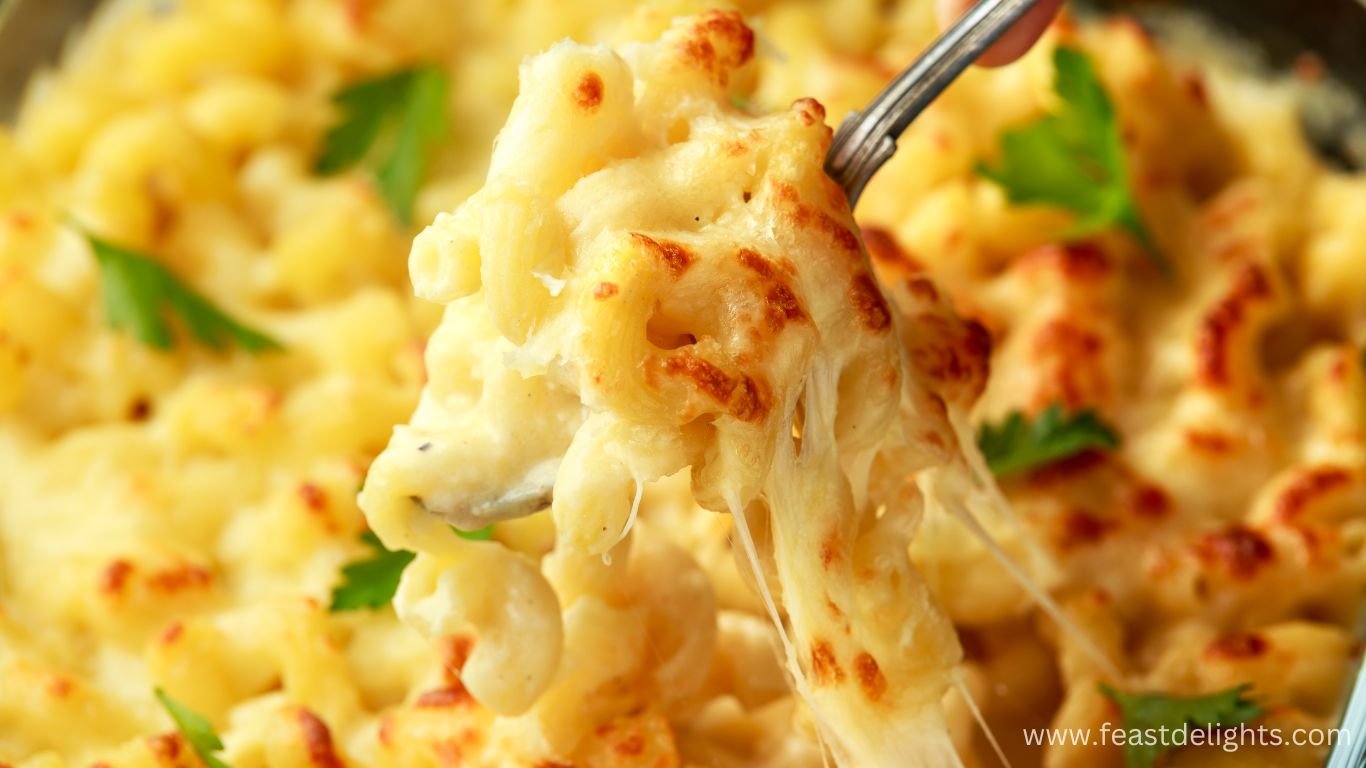
This vegan mac and cheese coats elbow macaroni in a smooth potato and carrot sauce enriched with unsweetened coconut milk, nutritional yeast and a little olive oil. Lemon juice and smoked paprika balance the sweetness of the cooked vegetables and give the sauce a savoury finish. Potato starch helps it cling to the pasta without dairy cheese. Cook the vegetables until very soft, blend carefully and warm the sauce gently before tossing with the macaroni. Allow about 40 minutes for four servings.
Vegan mac and cheese with potato and carrot sauce is a creamy stovetop pasta made without dairy cheese. Cooked vegetables provide body, nutritional yeast adds a savoury flavour and coconut milk makes the sauce rich. This version makes four servings in about 40 minutes, with the pasta and vegetables cooked at the same time.
What makes the vegetable sauce creamy?
Potato is the main source of body, so cook it until it can be crushed easily with a fork. Carrot adds golden colour and mild sweetness without food colouring. Onion and garlic give the sauce a savoury base. Dice the vegetables evenly so there are no hard pieces left when blending.
Use unsweetened coconut milk, preferably canned for a fuller texture, rather than a sweetened coconut beverage. Nutritional yeast is an inactive savoury seasoning and not the yeast used to make bread rise. Potato starch provides additional thickening; it is not the same as potato flour. Measure it carefully, as too much starch can make a sauce sticky. Lemon juice brightens the flavour and smoked paprika adds gentle smokiness. Choose macaroni that contains no egg if keeping the dish vegan.
How to make vegan mac and cheese
Use two saucepans so the vegetables and pasta can cook at the same time. Reserve a little water from each pot before draining; the vegetable water helps with blending, while pasta water loosens the finished sauce. Neither needs to be used in full.
Recipe card
Vegan Mac and Cheese with Potato and Carrot Sauce
Cook vegetables and pasta concurrently to keep total time near 40 minutes.
Equipment: Two saucepans, colander, knife, chopping board, measuring jug, stick blender or suitable countertop blender, spoon
Ingredients
Pasta
Vegetable cheese-style sauce
Instructions
Cook vegetables until very soft
Place diced potato, carrot and onion in a saucepan and cover with water. Bring to a boil, then simmer for 12–15 minutes until a fork easily crushes the vegetables. Reserve 120 mL (½ US cup) cooking water and drain.
15 minBoil the macaroni
Meanwhile, boil macaroni in salted water following the package directions until just tender. Reserve 120 mL (½ US cup) pasta water, then drain. Keep the pasta covered briefly while preparing the sauce.
10 minBlend the vegetable sauce safely
Blend drained vegetables, garlic, coconut milk, nutritional yeast, potato starch, olive oil, lemon juice, smoked paprika, salt and pepper until smooth. Use a stick blender in a deep pot or allow the vegetables to cool enough for your blender and follow its hot-liquid instructions. Add reserved vegetable cooking water gradually only if needed to blend smoothly.
3 minWarm and thicken the sauce
Transfer the sauce to a saucepan. Warm over low to medium-low heat, stirring continuously for 2–3 minutes until glossy and thick enough to coat a spoon. Avoid a vigorous or prolonged boil, which can affect potato starch texture.
3 minCoat the pasta and serve
Fold the drained macaroni into the hot sauce. Add reserved pasta water a tablespoon at a time until the sauce coats each elbow without becoming watery. Taste and adjust seasoning. Divide among four bowls and serve hot.
2 min
Getting a smooth sauce safely
Blend just until the vegetables are smooth. A stick blender in a deep saucepan can be convenient; keep the blade submerged and the pot off the heat while blending. If using a countertop blender, follow its manufacturer’s hot-liquid limits and allow the vegetables to cool as required. Never seal hot liquid in a blender that is not designed for it. Add a small amount of reserved vegetable water only if the blades need help moving the mixture.
The sauce should flow from a spoon in a thick ribbon. Warm it gently while stirring, rather than boiling vigorously. If too thick or sticky, add reserved pasta water a tablespoon at a time. If too loose, warm briefly and allow it to thicken before mixing with the pasta; avoid adding dry starch directly to a hot sauce because it can form lumps. Taste before adding extra salt, since pasta water may already be salty.
How to fix bland or grainy vegan cheese sauce
Hard vegetable pieces are a sign that the potato or carrot needs more cooking. Soften the vegetables fully before blending. A sauce that becomes gummy may have been blended or cooked too aggressively. Diluting with a little warm water may help, although it cannot always reverse the texture. If the sauce tastes flat, add a small squeeze of lemon or a little nutritional yeast after tasting rather than increasing all the spices. The finished sauce is meant to be creamy and savoury, not to stretch like melted mozzarella.
Substitutions, variations and serving ideas
Unsweetened oat cooking cream can be tried in place of coconut milk, but it may give a thinner result. Use gluten-free egg-free macaroni if needed and check the seasoning labels. Fold in well-drained cooked peas or broccoli, or add a pinch of cayenne for heat. Chives and cracked black pepper make a simple finish.
Serve with our vegan Caesar salad with avocado. If you want another creamy pasta, compare the cashew vegan Alfredo or tofu-based vegan carbonara. Those sauces rely on different ingredients and offer a distinct texture.
Make ahead, storage and allergens
For the best texture, make the sauce ahead and boil the pasta just before serving. Pasta absorbs sauce as it sits, so keep a little water available for reheating. Refrigerate cooked pasta and sauce within 2 hours (1 hour above 32°C/90°F) in shallow covered containers at 4°C (40°F) or below and use within 3 days. Reheat gently with a little water until the centre reaches 74°C (165°F). Freeze the sauce separately for up to 2 months for quality; thaw in the refrigerator and whisk well as the texture may change. Standard macaroni contains wheat. This recipe also contains coconut, and other ingredients may have brand-specific allergens. Check labels and cross-contact; do not treat vegan as a guarantee of allergen safety.
Frequently asked questions
What gives this sauce its cheesy flavour?
Nutritional yeast adds a savoury, cheese-like note, while lemon, garlic and paprika provide balance. It is not identical to melted dairy cheese.
Can I use baker's yeast instead of nutritional yeast?
No. Nutritional yeast is inactive and used for flavour; active baking yeast is not a suitable substitute.
Does the sauce taste like coconut?
A mild coconut note may remain depending on the brand. Unsweetened oat cooking cream can be tried for a different flavour and texture.
Why is my sauce gummy?
Potato starch and excessive blending of potatoes can produce a sticky texture. Blend only until smooth, warm gently and thin with a little cooking water.
Can I use cornstarch instead of potato starch?
It can thicken sauces, but the result and cooking requirements differ. Follow the cornstarch package guidance and assess the consistency rather than assuming an identical result.
Can I make it gluten-free?
Use certified gluten-free egg-free macaroni and check nutritional yeast, spices and other ingredients for cross-contact.
Can I add vegetables to the pasta?
Yes. Fold in cooked peas or broccoli just before serving. Drain them well to keep the sauce creamy.
Can I prepare the sauce ahead?
Yes. Refrigerate it separately, then warm gently with a splash of water before mixing with freshly cooked pasta.
More recipes to try


Spotted a detail that needs correcting? Contact the FeastDelights editors.