Italian Meringue Buttercream with Hot Sugar Syrup
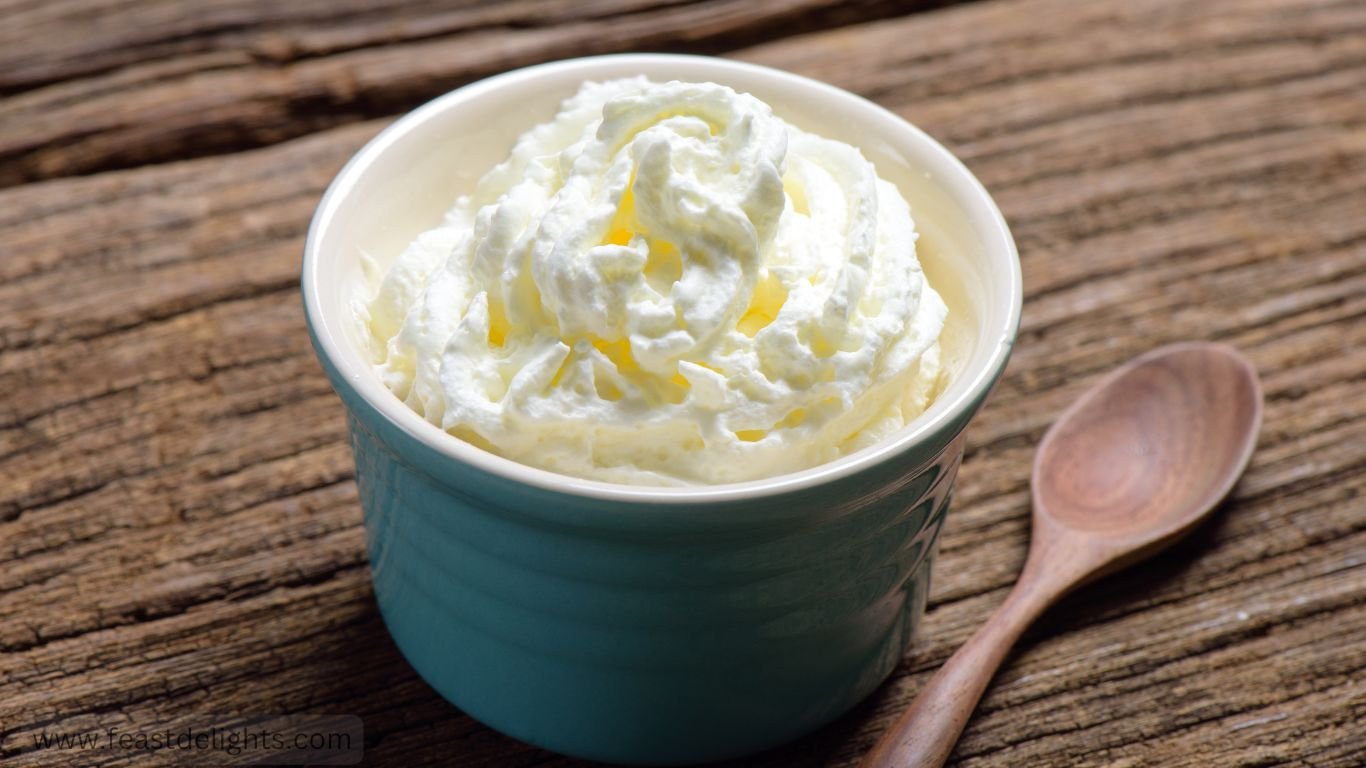
Italian meringue buttercream combines a hot sugar syrup with whipped pasteurised egg whites, then incorporates softened butter for a smooth, light frosting. Its silky texture is suited to spreading over cakes or piping onto cupcakes. The recipe uses four egg whites, sugar, water, butter, vanilla and salt and takes roughly 40 minutes, with extra cooling if the kitchen is warm. A sugar thermometer and a stand mixer are particularly useful. Temperature control matters more than beating for a fixed length of time.
Italian meringue buttercream is made by whipping a cooked sugar syrup into egg whites before adding butter. It has a smoother, less grainy texture than a frosting made simply with butter and icing sugar. Use pasteurised egg whites suitable for whipping: the temperature of the syrup alone does not establish that every part of the meringue reaches a safe temperature.
Italian meringue buttercream at a glance
Allow about 40 minutes for the syrup, meringue and butter incorporation, plus extra cooling if needed. The ingredients make roughly 600–650 g of frosting after syrup evaporation; the finished volume depends on aeration. Weigh the completed batch before planning coverage for a layer cake. The earlier five-cup estimate needs kitchen confirmation.
Ingredients and temperature
Use four large pasteurised egg whites or the equivalent amount of pasteurised liquid whites labelled suitable for whipping. A large white is approximately 30 g; follow the carton conversion. Some cartons do not whip well. Use 250 g granulated sugar (about 1¼ US cups), 60 ml water (¼ cup), 250 g unsalted butter (8.8 oz), 1 teaspoon vanilla extract and a pinch of salt.
Cut the butter into small cubes. It should yield to light pressure without looking greasy or melted. Keep the mixer bowl and whisk completely clean and free of yolk or oil. A small heavy saucepan and clip-on sugar thermometer help with the syrup; the probe should not rest against the hot base. For food-safety background consult University of Minnesota Extension’s egg guidance.
Recipe card
Italian Meringue Buttercream with Hot Sugar Syrup
40 minutes estimated including whipping and cooling during mixing; additional cooling may be necessary. Weight and coverage are editorial estimates pending kitchen review.
Equipment: Stand mixer with whisk and paddle if available, clean bowl, small heavy saucepan, sugar thermometer, scale, spatula and heat-resistant gloves.
Ingredients
Meringue
Buttercream
Instructions
Whip
Place four large pasteurised egg whites suitable for whipping and salt in a clean mixer bowl. Whip to soft peaks as the syrup approaches its target.
Syrup
Heat 250 g sugar and 60 ml water in a small saucepan. Once dissolved, boil without stirring until a thermometer reads 118°C (244°F). Remove from heat.
Combine
With mixer running at medium speed, carefully pour the hot syrup in a thin stream between the whisk and bowl wall, avoiding the moving whisk.
Cool
Beat until glossy and cooled close to room temperature, usually 8–10 minutes or longer. Do not add butter to a warm meringue.
Finish
Add 250 g softened cubed butter gradually, beating until smooth. Mix in vanilla; adjust temperature if needed before piping.
Coordinate the syrup and egg whites
Combine sugar and water in the saucepan and heat until dissolved, then boil without stirring. When the syrup approaches its target, whip the whites and salt to soft peaks. If the whites are ready first, slow or pause the mixer briefly rather than allowing them to become dry and clumpy. Bring the syrup to 118°C (244°F), then remove from heat. This is a very hot concentrated syrup: keep children away, use stable equipment, and never touch or taste it while hot.
Run the mixer at medium speed and pour slowly into the space between the whisk and bowl wall. Avoid pouring onto the moving whisk, which can throw hot syrup out of the bowl. Do not scrape hardened syrup into the mixture. Continue whipping until the meringue is glossy and the bowl has cooled close to room temperature, usually 8–10 minutes or longer. Warm meringue can melt the butter. The syrup stage and pouring technique are consistent with King Arthur Baking’s buttercream guide.
Add butter without breaking the emulsion
Beat in the softened butter gradually, allowing each addition to blend. Add vanilla once the frosting is uniform. A brief curdled appearance can occur during mixing. If the bowl is cool and the buttercream remains lumpy, gently warm the outside of the bowl for a few seconds and continue mixing. If the frosting is glossy but runny, chill the bowl briefly and beat again. Avoid adding extra icing sugar simply to compensate for a temperature problem. A paddle at low speed near the end can reduce air bubbles for smoother cake sides.
How to use and troubleshoot it
A ready buttercream holds a curved peak and spreads without tearing a cooled cake. If it looks grainy, check for crystallised sugar or unmixed butter. If it is too firm to pipe, let it soften briefly and mix; if too loose, cool it slightly. Do not frost a warm cake. For a cake pairing try the vanilla sour cream loaf, or serve a small amount beside raisin cake. A thin layer of cherry refrigerator jam can accompany a decorated cake; store the finished cake according to its most perishable component.
Flavour variations and allergens
Finely grated citrus zest can add flavour without much liquid. For a chocolate version, a separately developed ratio of melted, cooled chocolate is preferable to guessing how much to add. This recipe contains egg and milk; check vanilla and flavouring labels. Pasteurised egg whites are the required safety-oriented substitution for the original unspecified whites. Do not rely on hot syrup alone to pasteurise raw eggs.
Cover and refrigerate at 4°C (40°F) or colder within 2 hours, or 1 hour above 32°C (90°F). Use within 3 days as a conservative limit, or freeze for up to 2 months for quality. Thaw in the refrigerator, then soften briefly and rewhip.
Use the finished buttercream when it is smooth and holds a soft peak. If it has been chilled, let it soften and rewhip before decorating.
Frequently asked questions
Can I use carton egg whites?
Yes, choose pasteurised whites specifically suitable for whipping and follow the carton conversion for four large whites.
Why did my buttercream become runny?
Warm meringue or overly soft butter can cause this. Chill the bowl briefly and beat again.
What if it looks curdled?
Continue beating. If the bowl is too cold, gently warm its outside for a few seconds and mix again.
Can I make it without a sugar thermometer?
A thermometer is strongly recommended for the 118°C syrup stage; visual guesses are less reliable.
Can I frost a warm cake?
No. Cool the cake completely to prevent melting.
Does hot syrup make raw egg whites safe?
Not reliably in every preparation. Use pasteurised egg whites suitable for whipping.
More recipes to try






Spotted a detail that needs correcting? Contact the FeastDelights editors.