Polish-Style Potato, Mushroom and Cheese Pierogi
These Polish-style pierogi are tender half-moon dumplings filled with mashed potatoes, sautéed mushrooms, onion and grated cheddar or Gouda. A simple flour-and-egg dough wraps around the savoury filling, and the dumplings are gently boiled until cooked through. Pan-fry them after boiling if you like crisp golden edges. The recipe makes about 24 large pierogi, with approximately two hours needed for mixing, resting, filling and batch cooking. Serve with browned onions, sour cream or a fresh beet salad.
What makes these pierogi different?
Polish pierogi are filled dumplings commonly boiled and served with a topping such as onions or butter. Potato and cheese is a familiar filling, while sauerkraut and mushrooms are often associated with Christmas Eve. This recipe combines potatoes, cultivated mushrooms and grated cheddar or Gouda, so it is a home-style adaptation rather than a claim about a specific festive tradition. See Culture.pl’s guide to Polish pierogi for cultural context.
Prepare a filling that holds its shape
Floury potatoes mash readily without requiring milk or added butter. Cut them evenly, cook until tender and drain well before mashing. Mushrooms release considerable water in a skillet; chop them finely and cook until the liquid has evaporated. A wet filling makes seams difficult to seal. Grated cheese binds the potato mixture as it heats, and onion adds sweetness. Cool the filling before assembling so it does not soften the dough. If preparing ahead, refrigerate in a shallow container.
Mix and roll the dough
Weigh the flour and add warm water gradually, because flour absorption varies. The egg and melted butter add richness. Knead until the dough is smooth and pliable, then cover and rest for 20 minutes. Resting relaxes the gluten and makes the dough easier to roll. Dust sparingly: dry flour on the edges can prevent them from sticking together. Divide the dough into about 24 portions for large dumplings; the original quantity of dough is better suited to wider rounds than small 8 cm circles. Aim for 10–12 cm and a thin but strong wrapper. Smaller rounds are possible but will increase yield.
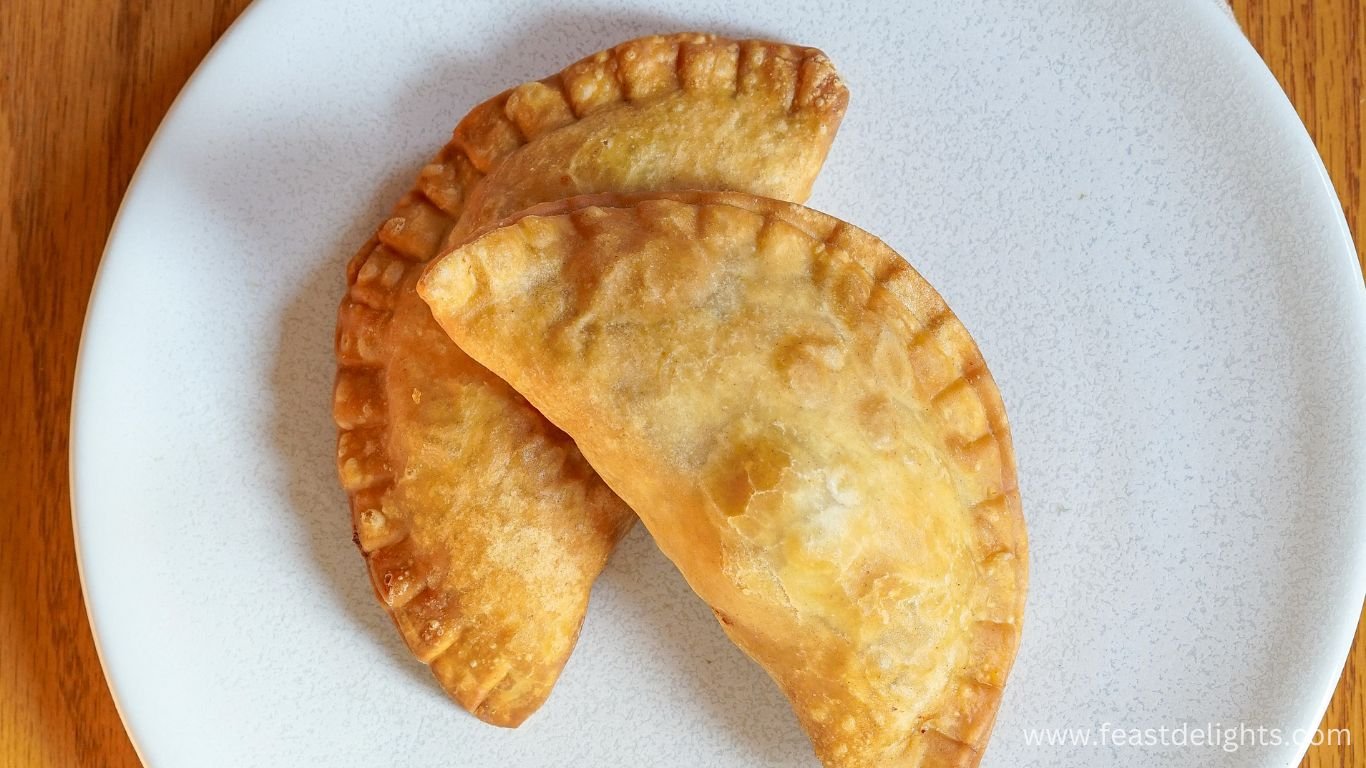
Recipe card
Polish-Style Potato, Mushroom and Cheese Pierogi
Includes a 20-minute dough rest and estimated batch cooking. The potato and mushroom stages can overlap; shaping speed and batch size affect total time.
Equipment: Digital scale, saucepan, colander, potato masher, skillet, mixing bowl, rolling pin, board, 10–12 cm round cutter or knife, large pot, slotted spoon and trays.
Ingredients
Dough
Filling
Instructions
Cook and mash the potatoes
Put evenly cubed potatoes in a saucepan of water, season the water if desired and simmer about 15 minutes until easily pierced. Drain thoroughly and mash until smooth, without adding extra liquid.
Prepare the mushroom-cheese filling
Heat oil in a skillet over medium heat. Cook onion and mushrooms 8–10 minutes, or until tender and most moisture has evaporated. Combine with mashed potato, grated cheese and pepper. Spread in a shallow dish to cool; refrigerate if not using promptly.
Mix and rest the egg dough
Combine flour and salt. Add egg and cooled melted butter, then gradually add warm water to form a soft, pliable dough. Knead about 5 minutes until smooth. Cover and rest 20 minutes.
Fill and seal the pierogi
Divide dough into about 24 equal pieces. Keep unused pieces covered and roll each into a circle about 10–12 cm across and 2–3 mm thick. Add about 1½–2 tablespoons filling, as space permits, leaving a clean border. Fold, press out trapped air and pinch the edges firmly. Use less filling if needed; yield may vary and spare filling can be served separately.
Boil in batches and serve
Bring a large pot of water to a gentle boil, season if desired and add a few dumplings at a time. Stir gently to release them from the bottom. Once they float, cook 2–3 minutes longer, checking the first for tender dough and a hot centre. Lift out with a slotted spoon. For crisp edges, optionally fry in a little additional butter or oil until golden.
How to seal and boil without splitting
Place filling in the centre and leave an uncoated border. Fold the wrapper into a half-moon and gently push out trapped air, then press the seam firmly from one end to the other. If edges are dry, moisten them lightly with water. Avoid overfilling: a secure seam matters more than using every spoonful. Keep shaped dumplings on a lightly floured tray so they do not stick together.
Cook in batches in gently boiling water. A rolling boil can damage the wrapper. Floating is a useful cue but is not the final test; continue cooking for a few minutes and check the first dumpling. The dough should be tender rather than floury or raw, and the filling hot. Lift out with a slotted spoon and drain before adding butter or pan-frying.
Troubleshooting and make-ahead tips
Wrappers tear: Roll a little thicker or rest the dough longer. Seams leak: Reduce filling and keep edges clean. Filling seems dry: Mash the potatoes thoroughly and fold in the cooked mushrooms while they are still moist but not watery. Dumplings stick: Cook fewer at a time, stir gently after adding them and lift them onto a lightly oiled plate. Uncooked sealed pierogi can be frozen individually and then bagged. Cook them from frozen, checking that the dough is cooked throughout.
Serving ideas and related recipes
Serve with browned onions or sour cream, and try vinegret beet salad or Carpathian mushroom soup alongside. For a sweet dumpling variation, explore blueberry pierogi. A little dill in the filling is another option.
Storage and allergens
Refrigerate cooked dumplings promptly and reheat thoroughly. Freeze in individual portions to prevent sticking. This recipe contains wheat, milk and egg; check the cheese’s rennet if vegetarian suitability matters. Do not taste uncooked dough or allow raw egg dough to contact ready-to-eat foods. See CDC raw dough guidance and USDA leftover guidance.
Frequently asked questions
Are these traditional Polish Christmas Eve pierogi?
They are a Polish-inspired variation. Sauerkraut and mushroom pierogi are a customary Christmas Eve dish; potato and curd-cheese pierogi are another well-known Polish filling.
Can I substitute farmer cheese?
Yes. Use well-drained farmer cheese in place of grated cheddar or Gouda. It will give a less stretchy, slightly tangier filling.
Why do my pierogi open in the pot?
Keep filling away from the border, remove trapped air, press the seam firmly and avoid a violent boil.
What if my dough keeps shrinking?
Cover it and let it rest a little longer. Roll gently without adding excessive flour.
Can I freeze uncooked pierogi?
Yes. Freeze sealed dumplings in one layer before transferring to a bag. Boil from frozen and allow extra cooking time until the wrapper is tender and filling hot.
Why is the filling watery?
Drain potatoes thoroughly and cook mushrooms until their released liquid evaporates. Let the filling cool before shaping.
Can I make smaller dumplings?
Yes. Use smaller circles and less filling, allowing additional shaping time. The number of dumplings will increase.
More recipes to try






Spotted a detail that needs correcting? Contact the FeastDelights editors.