Soft Peanut Butter Cookies with Vanilla
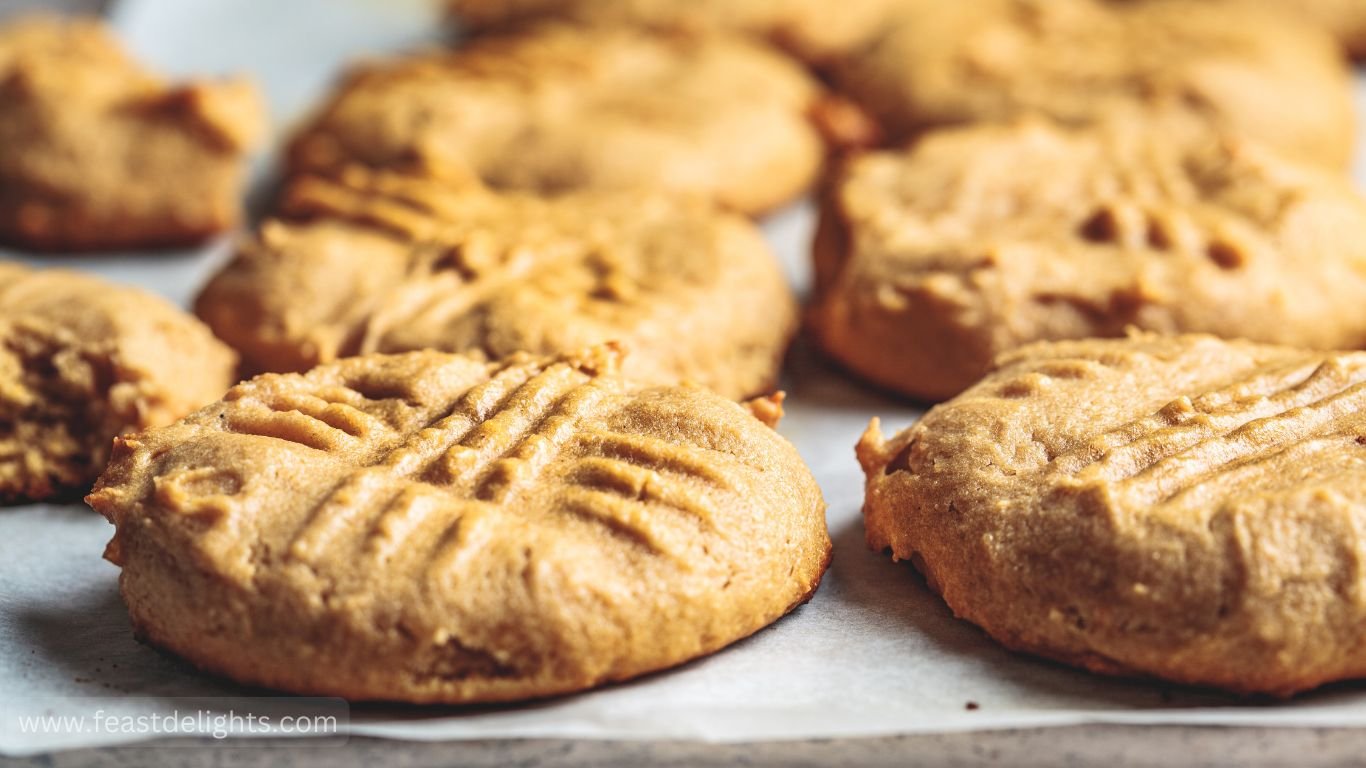
These peanut butter cookies have a rich nutty flavour, lightly golden edges and a soft, crumbly centre. The dough combines creamy peanut butter with softened unsalted butter, sugar, egg and vanilla, then uses a fork to create the familiar criss-cross pattern. No specialist equipment is needed beyond a mixing bowl and baking tray. The batch makes 24 cookies, with 20 minutes of hands-on preparation and 10–12 minutes of baking per tray. Chill only if the dough is too soft to shape.
Peanut butter cookies are buttery, nutty rounds with golden edges, a tender centre and a distinctive criss-cross surface. This recipe makes 24 cookies from creamy peanut butter, softened butter, sugar, egg, flour and vanilla. The dough takes about 20 minutes to prepare, and each tray bakes for 10–12 minutes.
Choosing peanut butter and flour
The consistency of peanut butter matters. Smooth, evenly blended peanut butter is easier to incorporate than a jar with a thick layer of separated oil. Stir natural peanut butter thoroughly before weighing it; its texture may change how the dough spreads. Unsalted butter lets you control the salt. Use softened butter rather than melted butter so the dough holds its shape. Plain flour gives enough structure for the fork pattern without making the cookies excessively dry. The existing measured proportions are retained here.
How to make peanut butter cookies
Beat the peanut butter mixture until creamy, then add the flour mixture just until incorporated. Divide into equal portions so the edges bake at the same rate. Press each ball twice with a fork to flatten it into an even round. Keep the grooves shallow and leave space around the cookies. If the dough sticks to the fork, wipe it clean or dip the tines lightly in flour and tap off the excess.
Recipe card
Soft Peanut Butter Cookies with Vanilla
Bake 10–12 minutes per tray; total assumes two consecutive trays and a 5-minute tray rest. Allow extra time for optional 20-minute chilling and complete cooling.
Equipment: Kitchen scale, mixing bowls, mixer or wooden spoon, spatula, whisk, two baking trays, parchment, cookie scoop, fork and cooling rack.
Ingredients
Cookie dough
Instructions
Prepare the oven and trays
Preheat a conventional oven to 180°C (350°F). Line two large trays with parchment. Use cool trays for each batch.
Cream the peanut butter mixture
Beat creamy peanut butter, softened unsalted butter and sugar until evenly combined and creamy. Add the egg and vanilla and beat until incorporated, scraping the bowl.
Add the flour mixture
Whisk the flour, baking powder and salt separately. Fold or mix into the peanut butter mixture just until no dry streaks remain. If the dough is very soft or oily, refrigerate for about 20 minutes. If crumbly, check the flour measurement and peanut butter consistency before adding a teaspoon of milk as needed.
Portion and press with a fork
Divide into 24 equal portions, about 34 g each. Roll into balls and arrange about 5 cm (2 inches) apart. Press gently with a fork, then turn the fork at right angles and press again to make a criss-cross pattern. Avoid flattening paper-thin.
Bake until set
Bake one tray on the middle rack for 10–12 minutes. Look for lightly golden, firm edges and centres that are set, not wet or raw. Repeat with the next tray. Adjust the time if the cookies are thicker or the oven runs cool.
Rest and cool
Leave cookies on the tray for 5 minutes before moving them with a spatula to a rack. Let cool completely; they are fragile when hot and firm as they cool.
How to prevent dry or greasy cookies
Crumbly dough: Check the weight of the flour and whether the peanut butter was thoroughly mixed. Adding more butter or milk without checking the measurements can change the texture.
Cookies spread too much: Chill overly soft dough for about 20 minutes and use a cool baking tray. A single trial cookie can help you judge the spread.
Hard or burnt edges: Begin checking at ten minutes. The edges should be firm and the middle set, but the cookies need not be deeply brown.
Cookies break when lifted: Wait for the short tray rest before using a wide spatula. They become less fragile as they cool.
Serving and flavour options
Serve the cookies with coffee or milk, or dip cooled cookies in melted chocolate. For a different soft cookie, try our cinnamon sugar snickerdoodles or oatmeal raisin cookies. Our milk and peanut fudge is another option for a peanut-flavoured sweet.
Make ahead, storage and allergens
Freeze the portioned dough or cooled cookies for later. Do not taste raw dough: uncooked flour and egg can carry harmful bacteria, as explained in the FDA’s flour guidance. This recipe contains peanuts, wheat, milk and eggs. Keep peanut-containing equipment and cookies separate from food intended for anyone with a peanut allergy; a seed-butter substitution does not guarantee freedom from cross-contact.
Frequently asked questions
What type of peanut butter is best?
Use a smooth peanut butter with an even consistency. Natural separated peanut butter can alter spreading; stir thoroughly and expect to adjust handling.
Why press them with a fork?
The pattern helps flatten the portions to an even thickness and creates the familiar appearance.
Why is the dough crumbly?
Too much flour or a particularly thick peanut butter may cause this. Check weights first; a teaspoon of milk can help if needed.
Can I use crunchy peanut butter?
Yes, use the same weight for a chunkier texture, provided the dough remains cohesive.
Why are the cookies falling apart?
They are delicate while hot. Rest on the tray for 5 minutes and lift with a spatula. If still fragile after cooling, review flour and baking time.
Can I freeze the cookie dough?
Freeze portioned balls, thaw covered in the refrigerator, press with a fork and bake until set.
More recipes to try

Cream Cheese Chocolate Truffles Rolled in Cocoa

Cream Cheese Cheesecake Danish with Lemon and Vanilla

Fresh Fruit Salad with Orange Honey Dressing

Ptichye Moloko Bird’s Milk Mousse with Chocolate Glaze
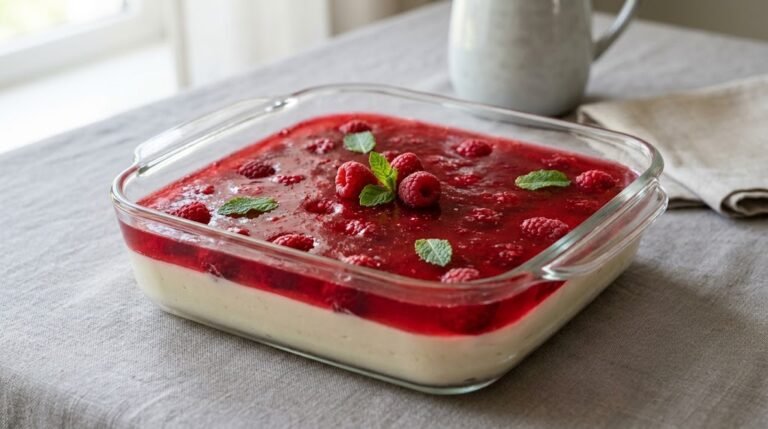
Bird’s Milk Jello with Creamy Mousse and Raspberry Jelly
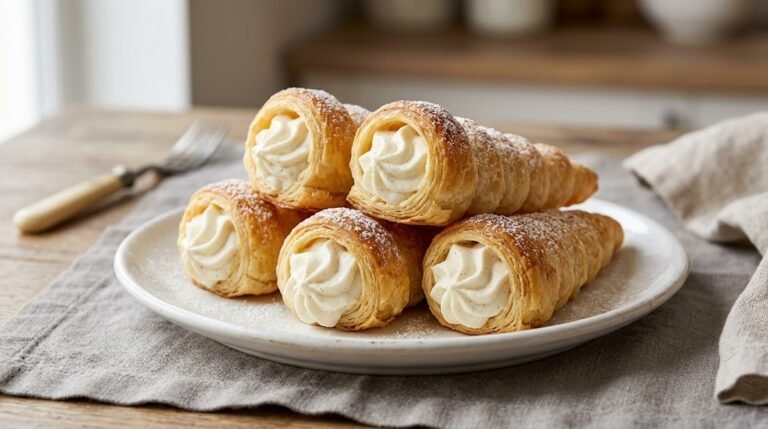
Cream Horn Trubochki with Vanilla Cream Filling
Spotted a detail that needs correcting? Contact the FeastDelights editors.