French Palmiers with Puff Pastry and Caramelised Sugar
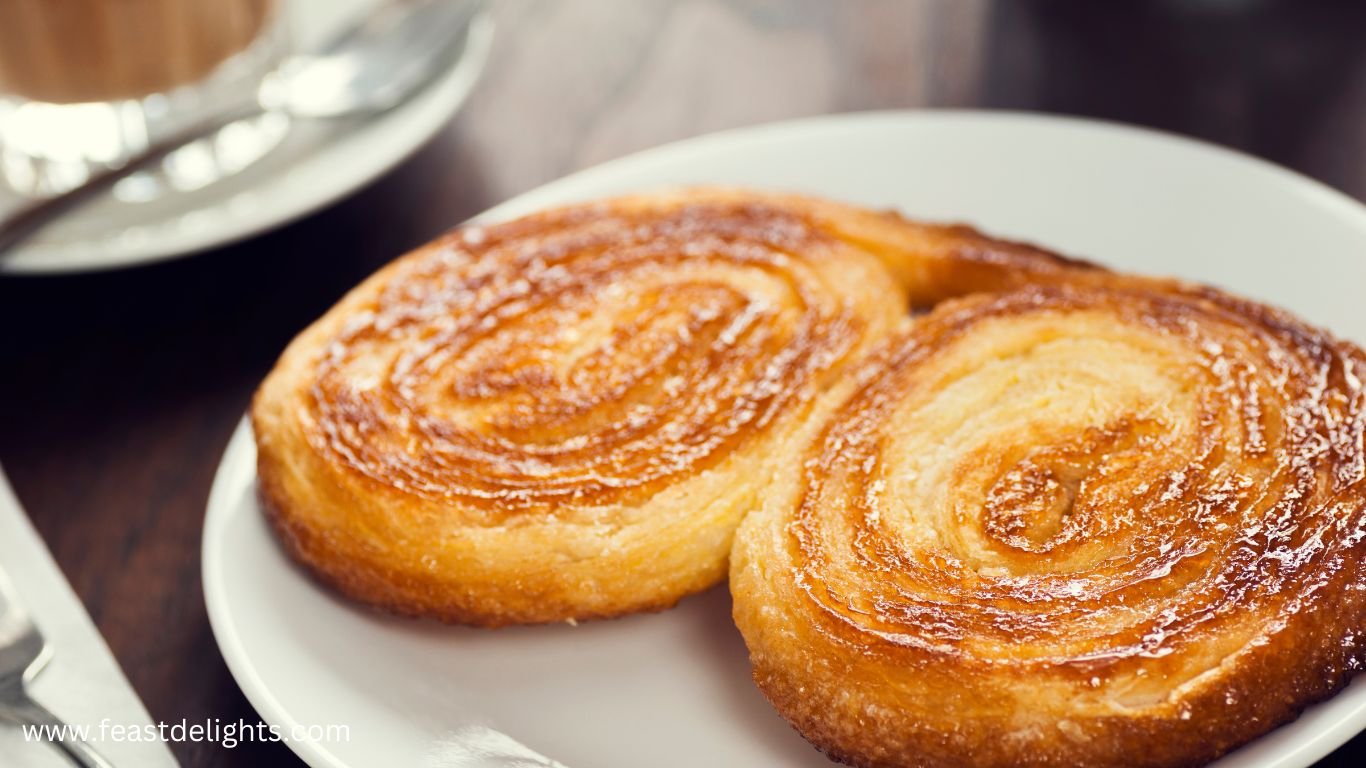
French palmiers are crisp, heart-shaped cookies made from layers of puff pastry coated in sugar. In the oven, the pastry expands while the sugar melts into a thin, golden caramel crust. This version uses a single sheet of cold, ready-made all-butter pastry and makes about 20–24 small cookies. Allow about an hour for shaping, chilling and baking, plus cooling. Serve them with coffee or tea, or tuck them into a dessert platter. No filling or extra butter is needed.
How to make crisp French palmiers
The French name refers to the palm-leaf shape; these pastries are also known as elephant ears. Ready-made puff pastry gives them their characteristic thin layers without preparing laminated dough from scratch. The sugar coats the cut surfaces as the pastry opens in the oven, creating a delicate caramel shell.
Choosing the ingredients
All-butter puff pastry provides a rich flavour and crisp layers. Use a plain, unfilled sheet and thaw it according to the package directions. It should bend without cracking but remain cool to the touch. Granulated sugar supplies the caramel coating, while a pinch of salt balances the sweetness. Cinnamon or vanilla sugar is optional; the plain version needs neither. There is no need to spread additional butter over the pastry.
Shaping the classic heart
Work symmetrically from the two long sides. Fold both sides inwards twice, then bring them together. Cutting across the chilled log reveals two matching curls. Keep the slices uniform so that thin pieces do not burn before thicker ones cook through. The ingredient amounts and original double-fold method are retained; the total time now explicitly includes chilling.
Recipe card
French Palmiers with Puff Pastry and Caramelised Sugar
Includes 20 minutes chilling and up to 18 minutes baking for one batch; allow additional time if baking trays separately and for cooling.
Equipment: Rolling pin, ruler, sharp knife, two baking trays, baking parchment, thin heatproof spatula and cooling rack
Ingredients
Palmiers
Instructions
Prepare the trays and oven
Line two baking trays with parchment rated for 200°C (400°F). Preheat a conventional oven to that temperature. Keep the thawed pastry refrigerated until ready to shape.
Coat and roll the pastry
Mix the sugar with the salt and optional vanilla sugar or cinnamon. Scatter half on a clean work surface and lay the pastry over it. Scatter the rest on top and roll gently into an even rectangle about 20–24 cm long along the axis that will become the log. Press the sugar into the dough without crushing the layers.
Fold both sides towards the centre
Mark the centre line parallel to the long sides. Fold each long side towards the centre, then fold each side inward again until they meet. Close the two halves together like a book. Press lightly to hold the shape without flattening the layers.
Chill and slice
Wrap and refrigerate for 20 minutes. Cut crosswise into pieces about 1 cm (3/8 inch) thick with a sharp knife. Lay on the prepared trays with the cut faces flat and about 5 cm (2 inches) between cookies. Keep any waiting tray chilled.
20 minBake the first side
Bake on the middle rack for 10–12 minutes until the pastry has expanded and the underside is golden. Check early because sugar can darken quickly.
10 minTurn, finish and cool
Using a thin spatula, carefully turn each cookie without touching the hot caramel. Bake another 4–6 minutes until both faces are golden and the centres are cooked through, not doughy. Cool on the tray for about 5 minutes, then transfer to a rack to crisp fully.
6 min
How to recognise a properly baked palmier
Look at the underside as well as the top: the pastry should be expanded, golden and dry-looking between the folds. A pale, compressed centre suggests it needs more time. If the sugar is darkening before the centre is ready, reduce the heat slightly and monitor closely. Never touch liquid caramel with bare fingers.
Common problems and fixes
Greasy or flat cookies usually result from overly warm pastry or heavy rolling. Chill the dough briefly if it sticks. Uneven browning often means uneven slices or an oven hot spot; rotate the tray if necessary. If a batch softens in humid weather, a short return to a low oven can restore some crispness. Cool again before storing.
Serving and variations
These cookies work well alongside coffee, fresh fruit or ice cream. For more simple pastry ideas, try quick chocolate pastries, Portuguese custard tarts or apple strudel with puff pastry. A little finely grated orange zest gives the sugar a citrus aroma; avoid wet fillings, which interfere with crispness.
Make ahead and allergens
Chill the shaped log ahead of baking as permitted by the pastry manufacturer’s storage instructions. The finished cookies are best packed only after cooling. Standard all-butter puff pastry contains wheat and milk; check the label for egg, soy and other allergens or cross-contact. Do not eat raw pastry dough.
Frequently asked questions
Can I make palmiers with homemade puff pastry?
Yes. Roll the same weight of well-chilled pastry evenly; avoid pressing so hard that the layers merge.
Why did my palmiers unfold?
Warm dough and a loose final fold are common causes. Keep the log cold, close it gently and chill before slicing.
Why are the centres soft?
They may need longer in the oven or thinner slices. Wait until fully cooled before judging crispness; the sugar firms as it cools.
Can I use a fan oven?
Try 180°C (355°F) fan and start checking early, as oven performance varies.
Can I use dairy-free pastry?
Yes, choose a suitable puff pastry and check the package for milk and other allergens.
Can I shape the cookies in advance?
Wrap the shaped log and refrigerate overnight if the pastry package allows, then slice and bake while cold.
More recipes to try

Cream Cheese Chocolate Truffles Rolled in Cocoa

Cream Cheese Cheesecake Danish with Lemon and Vanilla

Fresh Fruit Salad with Orange Honey Dressing

Ptichye Moloko Bird’s Milk Mousse with Chocolate Glaze
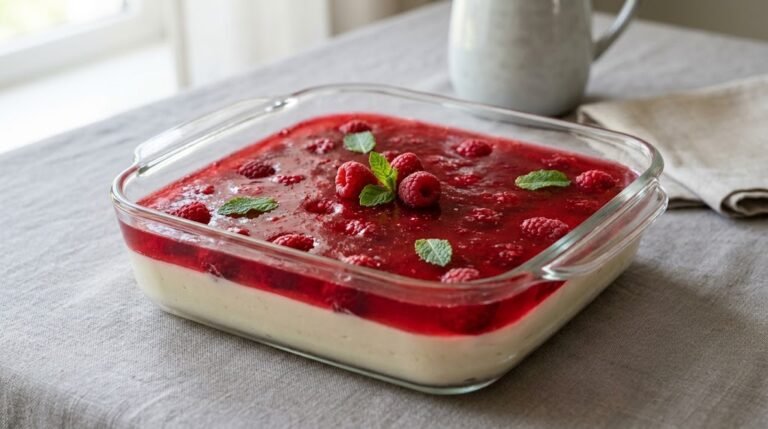
Bird’s Milk Jello with Creamy Mousse and Raspberry Jelly
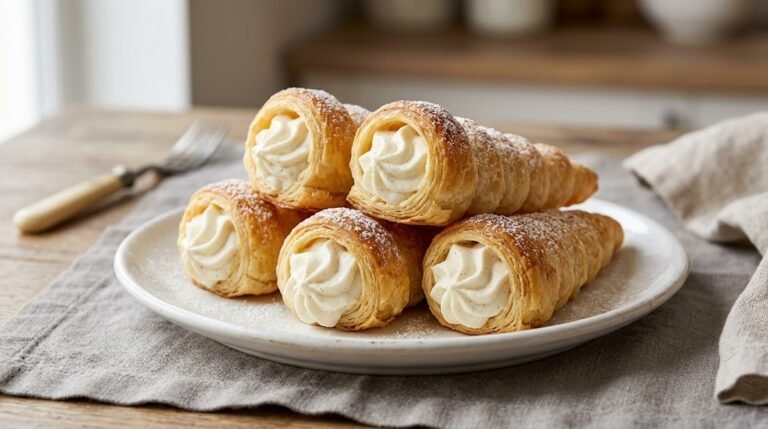
Cream Horn Trubochki with Vanilla Cream Filling
Spotted a detail that needs correcting? Contact the FeastDelights editors.