Homemade Berry Mors with Cranberries or Mixed Berries
Homemade berry mors is a strained fruit drink with a clear berry flavour and a sweet-tart finish. Simmer the crushed pulp in water, strain it, then return the reserved juice and briefly boil the complete drink before chilling. Cranberries or lingonberries give a sharper result than a sweet mixed-berry blend. The batch makes about five small cups and takes around 20 minutes of active work, plus cooling time. Serve cold over ice, with extra sweetness adjusted to suit the fruit.
Berry mors is a light, sweet-tart drink made by extracting flavour from crushed berries and water, then straining away the pulp. Cranberries and lingonberries give it a lively acidity; mixed berries make a softer, sweeter drink. This batch uses 300 g of fruit, a litre of water and 80 g of sugar, with lemon added at the end of extraction. Allow about 20 minutes of active preparation and cooking, plus roughly an hour to cool and chill. The yield is about five small cups, depending on how firmly you press the pulp and how much water evaporates.
Choose berries for the flavour you want
Cranberries and lingonberries are naturally sharp, so the stated sugar produces a tart drink rather than a syrup. Raspberries, blackberries and blueberries can be used in a mixed-berry version; each blend gives a different colour and sweetness. Start with the measured sugar and adjust the finished drink in a serving glass if needed. You can dissolve a little extra sugar in a spoonful of warm mors before stirring it back in.
Use sound fruit and discard mouldy or damaged berries. Rinse fresh fruit under running water. Frozen berries can be thawed in the refrigerator in a covered bowl; keep the thawing juices because they carry flavour and colour. Follow any cooking instructions on the packet. Freezing alone does not make fruit free of harmful microorganisms.
Why the juice is reserved
Crushing and straining first separates the juice from the skins and seeds. Simmering the pulp then extracts the flavour left behind without keeping all the fine solids in the glass. This is not the same as a smoothie, which retains the fruit pulp, or a carbonated punch. A fine sieve gives a lightly cloudy drink; lining it with clean cheesecloth gives a clearer one but takes longer.
The earlier version added raw reserved juice after cooling. This revision keeps the separate extraction but returns the juice before a final one-minute rolling boil. That change is deliberate: it avoids adding untreated berry juice to a finished chilled drink and addresses advice to boil imported frozen berries. Do not add raw berry juice after that final boil. The flavour will be a little less raw-fruity than the earlier method.
Ingredients and method
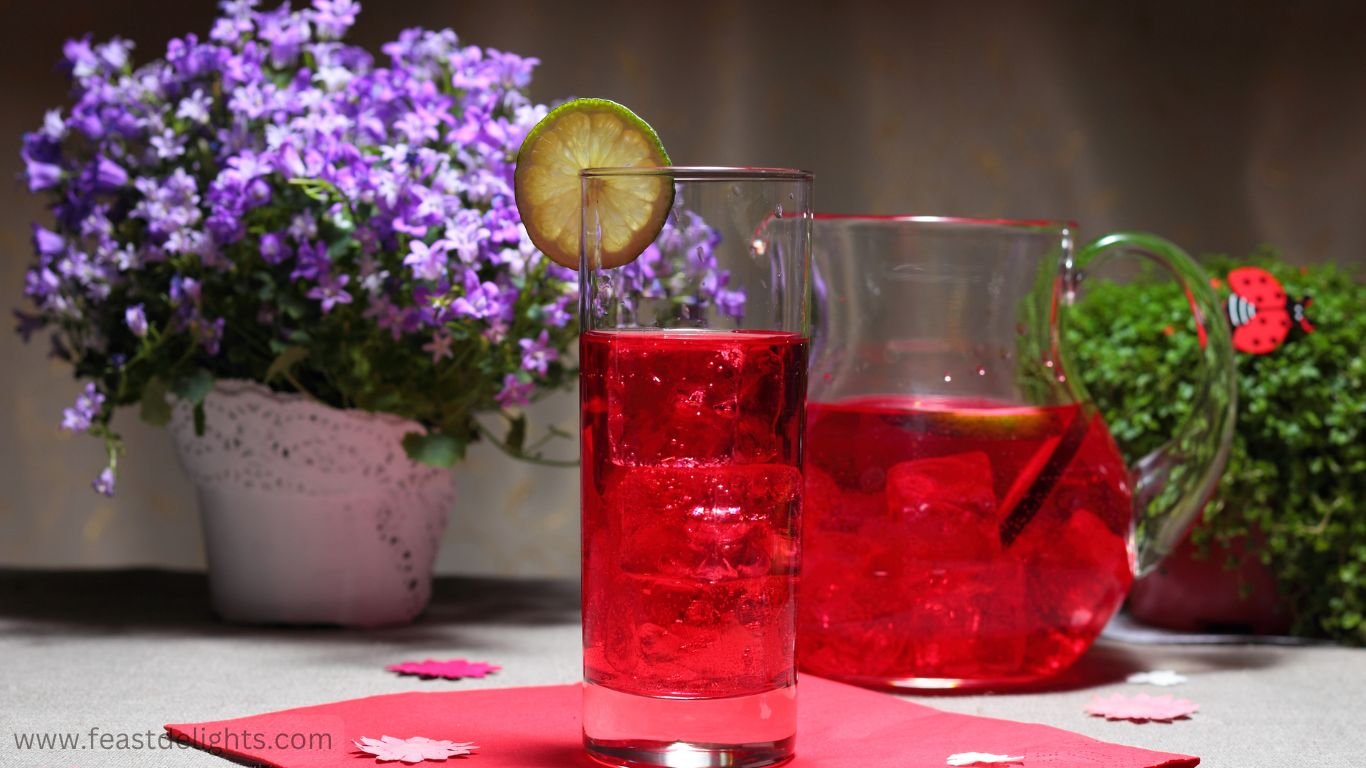
Recipe card
Homemade Berry Mors with Cranberries or Mixed Berries
About 20 minutes active work plus approximately 60 minutes to cool and chill; thawing frozen berries is additional. Chill longer if needed.
Equipment: Non-reactive 2-litre saucepan, bowl, potato masher or fork, fine sieve, heatproof jug, measuring jug, kitchen scales, clean storage containers, ice-water bath
Ingredients
Instructions
Prepare and crush the fruit
Rinse sound fresh berries. If using frozen berries, thaw covered in the refrigerator and retain the juices. Crush in a bowl and press through a fine sieve, reserving the juice in the refrigerator while you cook the pulp.
Simmer the pulp
Put the pulp, 1 litre water and optional strip of lemon zest in a non-reactive saucepan. Bring to a gentle simmer and cook for 8 minutes.
Strain and dissolve the sugar
Strain into a heatproof jug, pressing with a spoon. Discard the spent pulp and zest. Stir 80 g sugar into the hot liquid until dissolved.
Return the juice and boil
Return the strained liquid to the saucepan with the reserved berry juice and 1 tablespoon lemon juice. Bring the complete drink to a rolling boil and maintain it for at least 1 minute, stirring. Follow any longer cooking instructions on the berry packet. Do not add raw berry juice afterwards.
Cool promptly and chill
Cool using an ice-water bath around the pan, keeping bath water out. Transfer to clean containers and refrigerate within 2 hours, or 1 hour above 32°C (90°F). Allow about 60 minutes to cool and chill, longer if needed; serve thoroughly cold.
Serve
Stir and pour into five small cups or glasses, over ice if desired. Adjust sweetness in the serving portion. Keep the remaining drink covered in the refrigerator.
Straining and cooling without losing flavour
Use a stainless-steel or other non-reactive saucepan with room for the liquid to rise when it boils. Keep the pulp at a gentle simmer for eight minutes; a hard boil throughout this stage is unnecessary and increases evaporation. Press the pulp with the back of a spoon instead of forcing it through the mesh. Excessive pressing pushes fine particles through, making the drink thicker and cloudier.
Remove the optional lemon zest after straining. Take only the coloured peel, since a thick strip of white pith may taste bitter. The tablespoon of lemon juice brightens the flavour, but it is not a preservative treatment and does not make the drink shelf-stable.
After the final boil, cool the saucepan in an ice-water bath, taking care that the bath water cannot enter the drink. Stir with a clean spoon and transfer to clean heatproof containers as it cools. Refrigerate promptly within two hours, or one hour in temperatures above 32°C (90°F). An hour of chilling is an estimate, not a promise that every refrigerator will cool a large jug equally quickly. Serve once thoroughly chilled.
Adjustments and troubleshooting
Too sharp: dissolve a little more sugar in a warm portion and mix it back in. Taste cold before making a large adjustment because sweetness and acidity feel different when chilled.
Too strong: add a little cold drinking water to the portion you are serving. Avoid diluting the whole batch repeatedly and returning it to storage.
Sediment in the jug: a small amount of berry pulp can settle naturally. Stir before pouring, or strain through clean cheesecloth for a clearer drink. Sediment is not a test of whether a stored drink is safe.
Bitter finish: avoid lemon pith, burnt sugar and long, vigorous boiling of the pulp. The drink should taste tart and fruity, without a scorched note.
Serving, variations and make ahead
Pour into small glasses over ice and add a lemon slice at serving time if you wish. For a warm version, heat a portion gently and serve immediately. You can leave out the optional zest for a simpler berry flavour. Do not replace the water with dairy or add vegetables; those were generic suggestions in the older page and do not belong to this recipe.
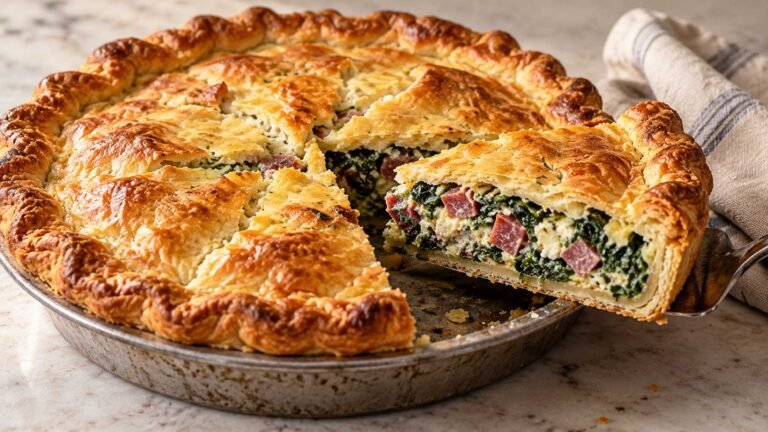
Serve with honey gingerbread cookies or a slice of cheese-filled mylina. For another berry drink with a different method, see sea buckthorn tea.
Make the drink a few hours before serving so it has time to chill. Keep covered at 4°C (40°F) or below and use within three days as a conservative household limit, not a validated extended shelf life. Freeze promptly in small freezer-safe containers for up to one month for quality, leaving expansion space, then thaw in the refrigerator. There are no wheat, milk or egg ingredients in the listed recipe; check packaged berry mixes for added ingredients and cross-contact information where relevant.
The final boil follows the Food Safety Authority of Ireland advice on imported frozen berries. This is a fresh refrigerated drink, not a canning recipe.
Frequently asked questions
Can I use frozen berries?
Yes. Follow the packet cooking instructions. The complete drink, including all reserved juice, must reach a rolling boil for at least one minute before cooling.
Why not add fresh juice after chilling?
That leaves the drink containing untreated juice. This version adds it before the final boil, especially to address the risk associated with imported frozen berries.
Is mors the same as a smoothie?
No. Mors is strained after extracting flavour into water; a smoothie usually retains the blended fruit.
Can I reduce the sugar?
Yes, for flavour you may use less sugar, but the drink will be sharper. Changing the sugar does not turn it into a long-keeping preserve.
Can I make it without lemon zest?
Yes. The zest is optional; use the measured lemon juice for the intended tart finish.
Can I store the bottle in a cupboard?
No. This recipe has no validated canning process. Keep it refrigerated and use within three days.
More recipes to try

Spotted a detail that needs correcting? Contact the FeastDelights editors.