French Vanilla Madeleines with Brown Sugar
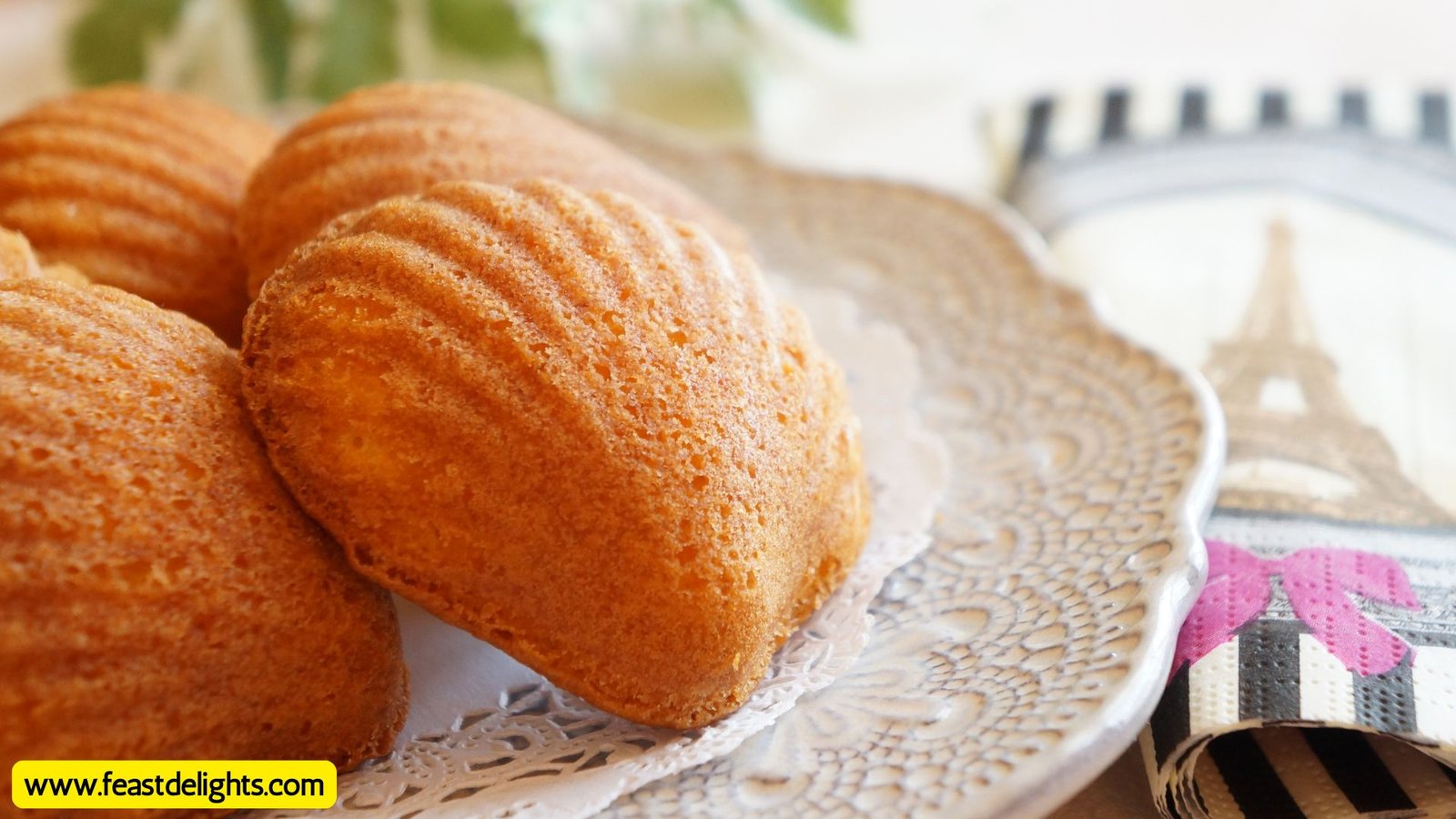
These French madeleines are small shell-shaped butter cakes with golden ridges, tender centres and a delicate vanilla aroma. A little light brown sugar adds a mellow caramel note without replacing the classic buttery flavour. Chill the batter before spooning it into a greased madeleine tin to encourage the characteristic raised centre. The recipe makes about 18 standard-size cakes. Allow 20 minutes to mix and prepare the tin, 30–60 minutes to chill and up to 24 minutes to bake two batches.
French vanilla madeleines are little butter cakes with a ridged shell on one side and a rounded centre on the other. This recipe keeps the existing vanilla and light brown sugar combination for a gentle caramel note. The batter makes approximately 18 cakes and needs a 30–60-minute refrigerator rest before baking. Plan for about 1 hour 44 minutes if you bake two trays consecutively.
What makes a madeleine different from a muffin?
A madeleine is a small French sponge-like butter cake baked in a shallow shell-shaped cavity. Its thin ridges colour quickly, while the thicker centre remains tender. A muffin tin makes a similar little cake but changes the shape and potentially the baking time. If you enjoy small cakes without specialist moulds, our vanilla tea cakes use a muffin tin.
Ingredient choices
Eggs provide structure and some aeration. Whisk them with both sugars until slightly thickened, rather than trying to create a stiff foam. Light brown sugar gives the batter a warmer flavour; use the measured amount rather than substituting dark brown sugar automatically. Plain flour and a little baking powder help the small cakes rise. Melted butter gives the crumb its richness, but it should be cool enough not to heat the eggs. Use vanilla extract and a pinch of salt to balance the sweetness.
How to make French vanilla madeleines
Fold the flour into the egg mixture without vigorous stirring, then add butter gradually. The finished batter should be smooth and thick enough to spoon. Refrigerate it covered until chilled. A fully preheated oven and evenly filled shell moulds help produce the familiar raised centre. King Arthur Baking’s madeleine pan guide explains alternatives when a traditional tin is unavailable.
Recipe card
French Vanilla Madeleines with Brown Sugar
Chill 30–60 minutes; bake each tray 9–12 minutes. Total assumes two trays baked consecutively, and excludes brief cooling. An 18-cavity tin may shorten the bake time.
Equipment: Digital scale, two mixing bowls, whisk, sieve, flexible spatula, saucepan or microwave-safe bowl for melting butter, standard madeleine tin, pastry brush, spoon and cooling rack.
Ingredients
Batter
Instructions
Whisk eggs and sugars
Whisk the eggs, granulated sugar and light brown sugar for about 2 minutes until lighter in colour, slightly thickened and evenly mixed. Break up any brown sugar lumps.
Fold in the flour
Sift flour, baking powder and salt together. Add to the egg mixture and fold gently until no dry streaks remain. Avoid prolonged beating.
Add butter and chill
Melt the butter and allow it to cool until lukewarm but still liquid. Fold it gradually into the batter with the vanilla until no oily streaks remain. Cover and refrigerate for 30–60 minutes.
Prepare the tin
Preheat a conventional oven to 190°C (375°F). Brush the shell-shaped cavities with a thin coating of melted butter or baking release spray; avoid puddles. Spoon chilled batter into each cavity to about two-thirds full. Keep remaining batter refrigerated.
Bake in batches
Bake on the middle rack for 9–12 minutes per tray. Look for golden edges, a raised centre and a top that springs back lightly when touched. Remove before the edges become dark brown. If baking a second tray, let the tin cool and regrease before filling.
Unmould and cool
Rest the cakes in the tin for about 2 minutes, then ease them out onto a rack. Use a blunt silicone utensil if needed to avoid scratching the mould. Serve slightly warm or cool completely before storing.
Troubleshooting the shell shape and crumb
No raised centre: Check the baking powder, batter temperature and oven preheating. A modest hump is fine; it need not be identical on every cake.
Greasy or heavy cakes: Fold in the melted butter until incorporated without beating away all the aeration. Avoid filling a warm, oily tin.
Burnt ridges and pale centres: Check the cakes early, particularly in a dark metal tin. Small moulds may bake faster. Rotate a tray only if your oven has a known uneven hot spot and the cakes have already begun to set.
Serving and flavour variations
Serve with coffee, tea or fresh berries. A little finely grated lemon zest works with vanilla; for a larger citrus cake, see our Italian lemon ciambella. A light dusting of icing sugar is enough to finish the shells. For a more substantial citrus dessert, try lemon meringue pie.
Make ahead, storage and allergens
Keep the batter covered and refrigerated between batches. Do not taste it raw, because uncooked flour and eggs can carry harmful bacteria. Cool the plain cakes before sealing them in a container. Their edges soften during storage, so they are best on baking day. The recipe contains wheat, milk and eggs; check any toppings and ingredient packaging for cross-contact.
Frequently asked questions
Why do madeleines have a hump?
Chilled batter, a fully heated oven and the leavening help the centre rise before the cake sets. The precise shape also depends on the tin and batter consistency.
Can I bake them without a madeleine tin?
A greased mini muffin tin can make small butter cakes, although they will lack the shell pattern. Start checking early because cavity sizes vary.
Why did the cakes stick?
Grease each ridge thoroughly, let the cakes settle briefly after baking, then loosen gently. Avoid using a damaged non-stick tin.
Can I use only white sugar?
You can substitute 30 g granulated sugar for the brown sugar, though the caramel note and moisture may change slightly.
Why are my madeleines tough?
Too much flour, excessive mixing after adding flour or overbaking can make the crumb dry. Weigh the flour and fold only until combined.
Can I make the batter the night before?
Refrigerate it covered and bake within 24 hours. An overnight rest can change the batter's consistency, so the exact timing of this variation needs kitchen review.
More recipes to try






Spotted a detail that needs correcting? Contact the FeastDelights editors.