Fig and Potato Pudding Cake with Brown Sugar
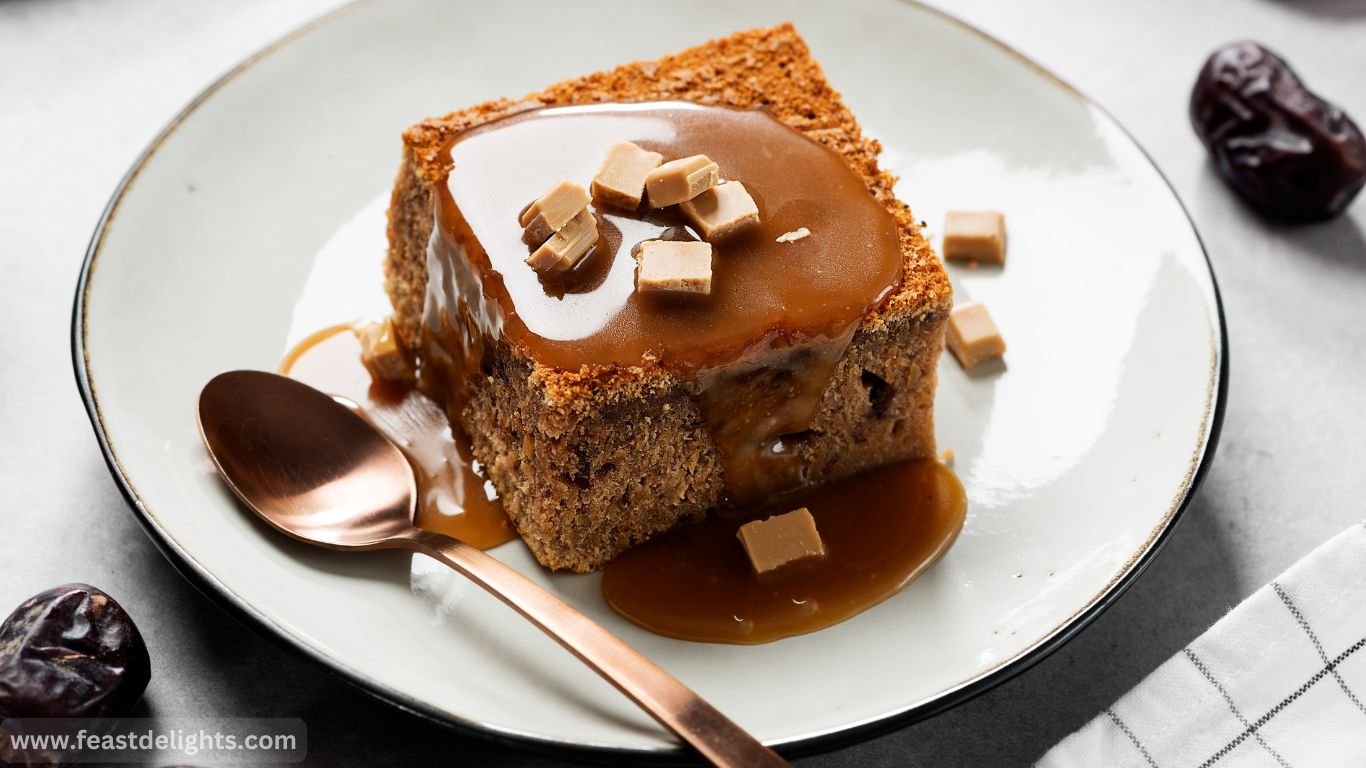
This fig and potato pudding cake combines chopped dried figs, brown sugar and plain mashed potato in a butter-rich baked batter. The potato gives the cake a soft, dense crumb, while soaked figs add chewy pockets and a gentle caramel-like sweetness. It makes eight slices from a 20 cm round tin and is baked rather than steamed like traditional figgy pudding. Use cooled, unseasoned potato and drain the figs thoroughly to avoid a wet centre. Serve with icing sugar or a spoonful of vanilla sauce once the cake has cooled.
Fig and potato pudding cake is a moist, dense baked dessert made with dried figs, brown sugar and plain mashed potato. This British-inspired adaptation makes eight slices in a 20 cm (8 inch) tin. Allow about 2½ hours including soaking and cooling; start with cooked, cooled potato. Unlike a traditional steamed figgy pudding, the cake rises with baking powder in the oven.
Choosing the figs and potato
Use dried figs with pliable flesh and remove their tough stems before chopping. Soaking softens them so they do not pull moisture from the batter. Drain them thoroughly, especially if the figs were soft to begin with. The potato should be smooth, plain and free of gravy, herbs or added milk. A floury potato is useful because it mashes easily. Prepare it ahead and refrigerate promptly if not using immediately.
Brown sugar provides a caramel note, while softened butter and eggs form the base of the batter. Measure flour by spooning it into a cup and levelling it, or use a scale. The potato and figs already contribute plenty of moisture; avoid adding liquid simply because the batter looks thick.
Recipe card
Fig and Potato Pudding Cake with Brown Sugar
Includes 30 minutes soaking and about 45 minutes cooling, including 15 minutes in the tin. Some tasks overlap. Start with already cooked, cooled potato; cooking potato is additional. Cool further if needed.
Equipment: Kitchen scale, sieve, mixing bowls, mixer or wooden spoon, spatula, 20 cm (8 inch) round cake tin at least 5 cm deep, parchment, skewer, cooling rack
Ingredients
Fruit
Cake batter
Serving
Instructions
Soak and drain the figs
Remove tough fig stems and chop into small pieces. Cover with hot water for 30 minutes, then drain thoroughly in a sieve and blot excess moisture. Grease and line a 20 cm (8 inch) round tin; preheat a conventional oven to 175°C (350°F).
30 minCream butter and sugar
Beat softened butter and brown sugar until lighter and fluffy. Beat in eggs one at a time, scraping down the bowl between additions.
Fold in potato and dry ingredients
Stir in the cooled plain mashed potato until evenly distributed. Whisk flour, baking powder and salt separately, then fold in just until no dry streaks remain. Fold in drained figs without overmixing.
Bake until the middle is set
Spread the thick batter evenly in the tin. Bake on the middle rack for 40–50 minutes. Check the centre with a skewer or thin knife: a few moist crumbs are fine, but wet batter is not. If the surface darkens too early, loosely shield with foil and continue baking.
50 minCool before slicing
Rest in the tin 15 minutes, then transfer carefully to a rack. Cool until the crumb is set, about 30 minutes more or longer if needed. Dust with icing sugar and cut into eight slices. Refrigerate promptly if not serving.
45 min
How to get a moist but cooked crumb
Cream butter and sugar before adding eggs, then incorporate the potato. Whisk the dry ingredients separately so baking powder is distributed evenly. Fold gently and stop as soon as the flour disappears. Use a lined round tin deep enough to hold the batter without overflowing. Check doneness in the centre rather than judging by surface colour alone. King Arthur Baking’s cake doneness guidance explains why a clean tester and other visual cues are useful together. The crumb should be moist but not contain raw batter.
Troubleshooting
If the cake is wet in the centre, continue baking under loose foil. If the crumb is heavy, drain the fruit more thoroughly and avoid overmixing; this cake is naturally denser than sponge. If it breaks when turned out, allow it to settle in the tin before lifting onto a rack. The retained potato-to-flour ratio and cooling time still need kitchen confirmation.
Serving and variations
Dust with icing sugar immediately before serving or offer vanilla sauce separately. Orange zest complements figs, and a few chopped dates can replace part of the fruit. For a different baked fruit dessert, try sticky toffee pudding, prune and apricot pudding cake or tea-soaked fruitcake.
Make ahead, storage and allergens
Prepare plain potato ahead, chill safely and use it within its storage deadline. Refrigerate the baked cake within two hours (one hour above 32°C/90°F), following official food safety guidance, and use within three days. Freeze wrapped slices for up to one month for quality. Contains wheat, milk and eggs; check dried fruit labels for sulphites.
Frequently asked questions
Is this traditional figgy pudding?
No. It is a baked fig cake with potato and baking powder, rather than a traditional steamed pudding.
Can I use leftover mashed potato?
Only if it is plain and was promptly refrigerated after cooking. Avoid heavily seasoned or buttery mash.
Do dried figs need soaking?
For this formula, yes. Soaking softens them; drain and blot before adding to avoid excess water.
Why is the middle wet?
Wet figs, a deep tin or insufficient baking may cause a wet centre. Bake longer under loose foil and check for raw batter.
Can I replace some figs with dates?
Yes, chopped dates offer a sweeter variation; drain any soaked fruit well.
Can I freeze the cake?
Yes. Wrap cooled slices and freeze for up to one month for quality. Thaw in the refrigerator.
More recipes to try






Spotted a detail that needs correcting? Contact the FeastDelights editors.