Crusty French Baguettes with a Simple Yeast Dough
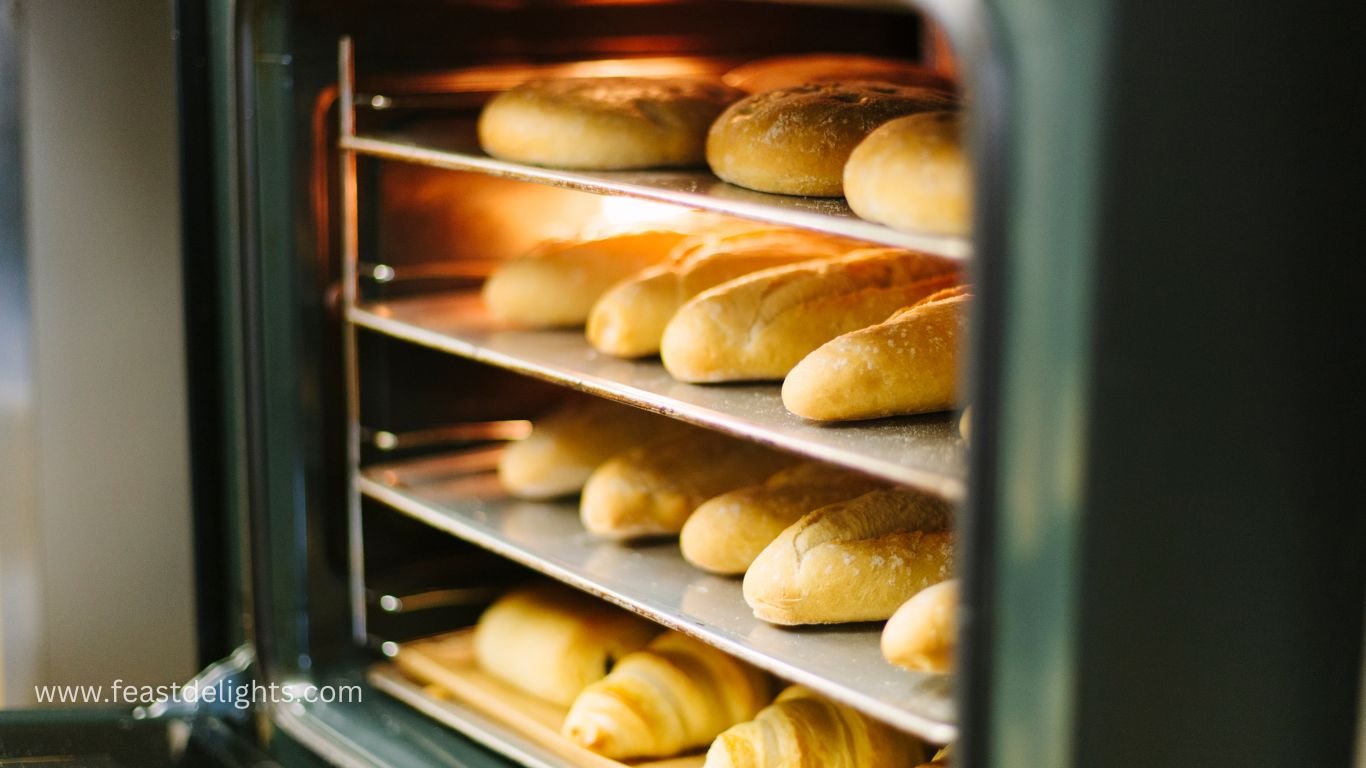
These French-style baguettes have a deeply golden crust, chewy centre and the simple flavour of flour, water, yeast and salt. The same-day dough makes two loaves about 35 cm long. Give the dough time to become elastic, shape it without crushing all the bubbles and proof until visibly puffy. A little steam at the start of baking helps the crust expand. Allow around four hours including rising and cooling, then serve with soup or use for sandwiches.
French baguettes made with a simple yeast dough are long, crusty loaves with a chewy interior. This same-day version retains 500 g bread flour and 350 ml water for two 35 cm baguettes. Plan on 30 minutes active preparation, 25 minutes baking and approximately 185 minutes resting, rising and cooling.
Flour, yeast and dough texture
Strong white bread flour gives the dough enough structure to hold gas. The 350 ml water represents 70% hydration relative to 500 g flour, so expect a tacky dough rather than a dry ball. Use instant yeast and lukewarm water according to its packet. Sugar is optional; the loaf does not require it. Weigh the salt and flour for consistency. Begin with the measured water and avoid adding large amounts of flour during kneading. A dough scraper and slightly damp hands help with sticky dough.
Develop strength and shape gently
Mix until no dry flour remains, rest 15 minutes, then knead with the salt until elastic. Alternatively, use stretch-and-folds over about 30 minutes; this may lengthen the timetable. Cover the bowl and let the dough rise until visibly puffy, folding once midway. Divide in half without flattening completely. Gently pat each half into a rectangle, fold the long edges towards the centre, seal the seam and roll outward from the middle to about 35 cm. If the dough resists, rest it covered briefly. Proof seam-side down in a baguette tray or supported by a well-floured cloth, transferring from cloth to a baking surface before cooking.
Recipe card
Crusty French Baguettes with a Simple Yeast Dough
Approximate 4-hour plan including 15-minute rest, 60–90 minute rise, 35–50 minute proof and at least 30 minutes cooling; actual times vary.
Equipment: Scales, bowl, dough scraper, floured cloth or baguette tray, baking tray, bread lame, oven gloves, cooling rack and optional oven-safe metal steam pan.
Ingredients
Dough
Instructions
Mix and rest the dough
Mix flour, instant yeast and optional sugar with lukewarm water until no dry flour remains. Cover and rest 15 minutes.
Knead with salt
Add salt and knead 8–10 minutes until elastic, or use stretch-and-folds over 30 minutes.
First rise
Cover and rise 60–90 minutes until puffy, folding once halfway through.
Shape and proof two loaves
Divide into two, shape gently into 35 cm loaves and support seam-side down on a floured cloth or baguette tray. Cover and proof 35–50 minutes. Preheat oven to 240°C/about 465°F.
Score and bake
Transfer from cloth to baking surface if necessary. Slash 4–5 overlapping diagonal cuts. Add steam only as permitted by oven instructions, using a metal pan on a lower rack and protecting hands. Bake 20–25 minutes until deeply golden and firm.
Cool before slicing
Cool on a rack at least 30 minutes, preferably until centre cools, before slicing.
Scoring and oven steam
Preheat a conventional oven to 240°C (about 465°F). Use a sharp bread lame to make four or five shallow overlapping diagonal cuts, holding the blade at a slight angle and keeping fingers clear. Steam helps the surface expand before the crust sets. If the oven manufacturer permits steam, place a sturdy metal pan on a lower rack, never directly on the oven floor unless explicitly allowed. With long oven gloves, add a small amount of hot water carefully and close the door. Avoid glass pans, heating elements and splashing the oven door. Alternatively use an oven-safe inverted metal roasting pan to trap the bread’s own steam, removing it carefully once the crust begins to set; see King Arthur Baking’s baguette techniques. If neither is suitable, bake without added steam. Bake until deeply golden and firm underneath.
Troubleshooting and serving
If the loaves spread, build more surface tension when shaping and support them during proofing. If the cuts burst sideways, check proofing and blade angle. A pale crust may need a few extra minutes of dry baking. Dense crumb can follow underproofing, excessive flour or aggressive degassing. Cool on a rack at least 30 minutes, preferably until the centre is cool. Serve with potato and leek soup, use for tomato bruschetta or Caprese sandwiches. All-purpose flour may work but water absorption and crumb differ. Contains wheat; do not taste raw dough.
Storage and refreshing
Baguettes are best the day baked. Cool completely and keep in a paper bag for a crisp crust, or wrap to retain softness for up to two days. Freeze well wrapped up to two months for best quality. Thaw and refresh in a 180°C/350°F oven for a few minutes until warm and crisp. Discard mouldy bread.
Frequently asked questions
Why is baguette dough sticky?
Its 70% hydration makes it tacky. Use a scraper and avoid excessive flour.
Do I need a baguette tray?
No, a floured cloth can support proofing; transfer the loaves to a baking tray before baking.
Can I omit sugar?
Yes, it is optional.
Can I bake without steam?
Yes; crust expansion and shine may be reduced, but do not use steam if your oven prohibits it.
Why is the crumb dense?
Check proofing, flour additions and shaping; avoid squeezing out all the gas.
Can I freeze baguettes?
Yes, cool and wrap well, then freeze up to two months for quality.
More recipes to try






Spotted a detail that needs correcting? Contact the FeastDelights editors.