Chanakhi-Style Beef and White Bean Stew
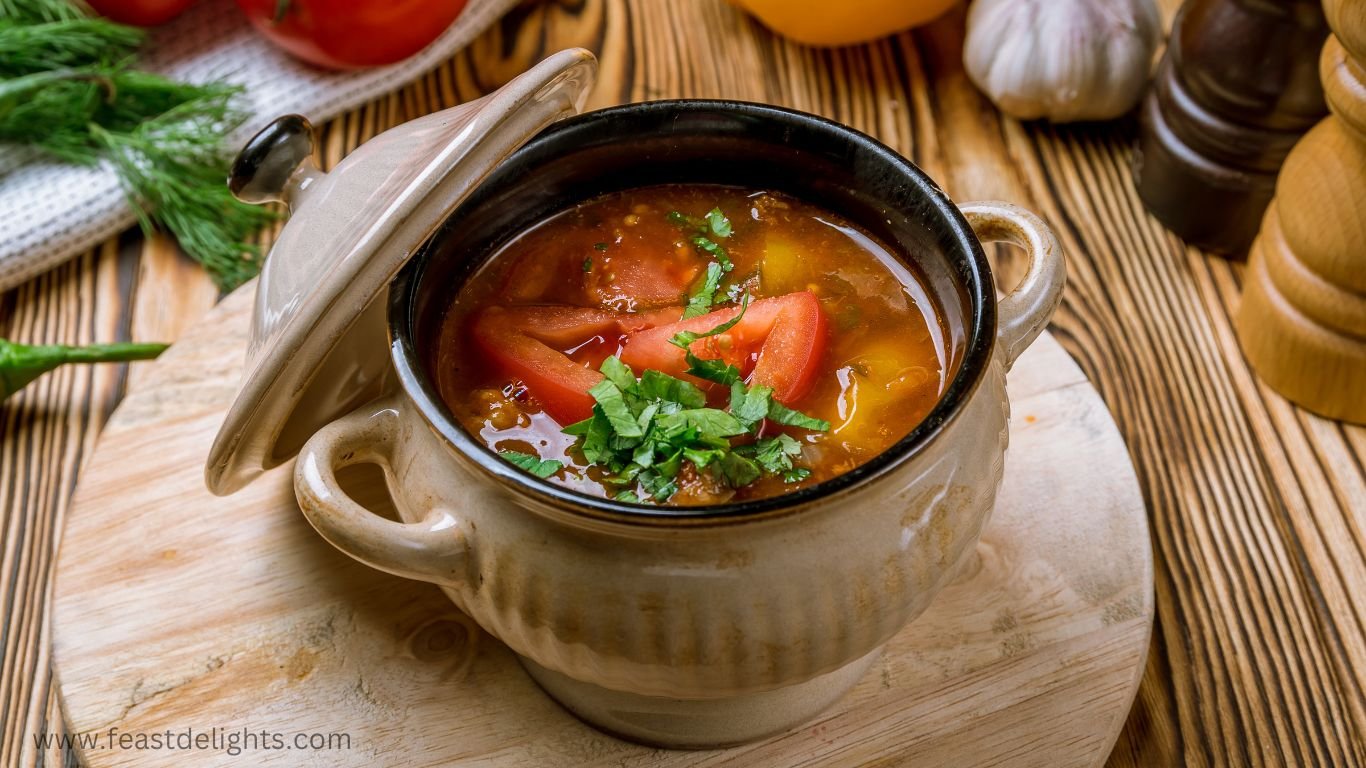
This chanakhi-style beef and white bean stew layers browned beef, tender cooked white beans, potatoes, carrot, onions, pepper and tomatoes in a gently simmered broth. It is a substantial Georgian-inspired home-style adaptation rather than a claim to a single traditional formula. The recipe makes six bowls. Allow 35 minutes for preparation, approximately three hours of cooking and an overnight bean soak of around eight hours. Ready-cooked canned beans can shorten the process. Serve hot with fresh parsley or coriander and crusty bread.
Chanakhi-style beef and white bean stew is a Georgian-inspired layered meat and vegetable dish with potatoes, peppers, tomatoes and tender cooked beans. This adaptation makes six bowls. Allow approximately three hours of cooking plus preparation and overnight soaking if starting from dried beans; canned cooked beans offer a shorter route.
Recipe card
Chanakhi-Style Beef and White Bean Stew
Allow about eight hours for soaking, and approximately 180 minutes total cooking for beans, browning and simmering the stew. Bean variety and beef tenderness may require longer. Canned fully cooked beans eliminate soaking and separate bean cooking.
Equipment: Large bowl for soaking, separate bean saucepan, colander, heavy 4–5 litre lidded pot, knife, chopping board, tongs and ladle
Ingredients
Beans
Beef
Vegetables
Cooking liquid and seasonings
Finishing
Instructions
Soak and thoroughly cook the beans
Sort and rinse the dried white beans. Soak covered in plenty of water in the refrigerator for about eight hours. Drain, rinse and cover with fresh water. Bring to a vigorous boil for at least 30 minutes, then continue cooking until fully tender, following any stricter package directions. Drain. Alternatively use about 2½ US cups of drained commercially canned white beans.
Brown the beef
Pat the cubed beef dry with kitchen paper. Heat the vegetable oil in a heavy lidded pot over medium-high heat and brown the beef in batches, allowing space between pieces. Transfer browned meat to a clean plate if necessary and return it to the pot once all pieces are browned.
Layer the cooked beans and vegetables
Add the potatoes, cooked beans, chopped carrot, onions, pepper, tomatoes, minced garlic and bay leaves. Season modestly with salt and pepper. Keep the potato pieces similar in size so they soften evenly.
Simmer until fork-tender
Add enough hot water to partly cover the ingredients. Bring to a boil, then reduce to a gentle simmer and cover. Cook for about 75–100 minutes, or longer if needed, until beef is fork-tender and potatoes are cooked through. Check periodically and add a little hot water if the pot dries out.
Season and serve
Remove all bay leaves, taste and adjust salt and pepper. Ladle into six bowls and scatter fresh parsley or coriander over the stew.
Prepare the white beans safely
Measure one cup of dried white beans before soaking. Sort out damaged beans and rinse. Cover with plenty of water and refrigerate overnight. Discard the soaking water, rinse and boil in fresh water for at least 30 minutes, continuing until the beans are fully tender. Follow any stricter instructions on the package. The European Food Safety Authority advises soaking pulses, replacing the water and boiling adequately to reduce harmful lectins. Do not rely on the stew’s later gentle simmer to prepare raw beans.
About two and a half cups of drained, commercially canned white beans is a convenient alternative. Canned beans are already cooked; rinse and drain them before use. The equivalent amount is approximate because different dried beans expand differently.
Brown the beef and layer the vegetables
Choose beef suited to stewing, such as chuck. Cubes of similar size cook more evenly. Pat the beef dry and brown it in batches in the oil. Crowding the pot releases moisture and prevents browning. This stage develops flavour rather than cooking the beef through.
Layer potatoes, cooked beans, carrot, onions, pepper, tomatoes and garlic with the browned beef. Cut potatoes into substantial, even chunks because they will simmer for a long time. Add bay leaves and a little salt and pepper. The original recipe uses hot water rather than a measured stock, so add just enough to partly cover the ingredients.
Simmer until the meat is tender
Bring the liquid to a boil and reduce the heat immediately. Cover and maintain a gentle simmer. Check periodically that there is still enough liquid; add a little hot water if needed. Avoid vigorous boiling and unnecessary stirring, which can break the potatoes and already cooked beans.
Start checking after about 75 minutes. A fork should slide into the beef with little resistance, and the potatoes should be fully tender. If the meat remains tough, continue simmering; the collagen in stewing cuts can take longer to soften. Remove the bay leaves before serving.
Troubleshooting, substitutions and allergens
If the broth becomes too thin, simmer uncovered briefly near the end. If the potatoes soften early, avoid stirring aggressively. Larger potato pieces or a waxier variety may hold their shape better in a later batch. Lamb shoulder is an alternative to beef, but its cooking time and flavour may differ.
The listed ingredients contain no obvious milk or wheat ingredients; check any prepared additions and serving accompaniments for allergens. The stew is not vegetarian.
Serving and related dishes
Scatter fresh parsley or coriander over each bowl. Serve with cucumber and dill salad for a crisp contrast. For another Georgian-style dish, try beef and tomato chashushuli. For a different grain-based stew, see beef and barley stew. This recipe is presented as a bean-based chanakhi adaptation, not the only authentic form of the dish.
Make ahead, refrigerate and freeze
Cook the beans ahead and keep them refrigerated until needed. Cool the finished stew promptly in shallow containers and use refrigerated portions within three days, accounting for any prior cooked ingredient storage. Freeze extra portions promptly. Reheat thoroughly to 74°C (165°F), adding a little water if the broth thickens. Garnish after reheating.
Editorial note: the original ingredient quantities and layering method are retained. The time estimate now includes separate bean cooking, overnight soaking and the stew simmer; actual bean yield and beef tenderness require kitchen review.
Frequently asked questions
Can I add soaked but uncooked white beans?
No. Soaking alone does not sufficiently reduce harmful lectins. Boil the beans separately in fresh water for at least 30 minutes and continue cooking until tender before adding them.
Can I use canned white beans?
Yes. About 2½ cups drained, fully cooked canned white beans replaces the dried cup approximately. This eliminates soaking and separate bean cooking.
Why is the beef tough?
Stewing cuts need time for connective tissue to soften. Continue gently simmering, adding hot water as needed, until the beef yields easily to a fork.
Can I use lamb?
Yes. Cubed lamb shoulder or another suitable stewing cut gives a different flavour; simmer until tender rather than relying on an identical cooking time.
Why did the potatoes break apart?
Small or floury pieces can soften before beef is tender. Use larger evenly cut chunks or waxier potatoes and stir gently.
Can I freeze this stew?
Yes. Cool promptly, portion and freeze without fresh herb garnish. Thaw in the refrigerator and reheat thoroughly; potatoes may become softer or grainier.
More recipes to try






Spotted a detail that needs correcting? Contact the FeastDelights editors.