Individual Caramel Custards with Dark Caramel Sauce
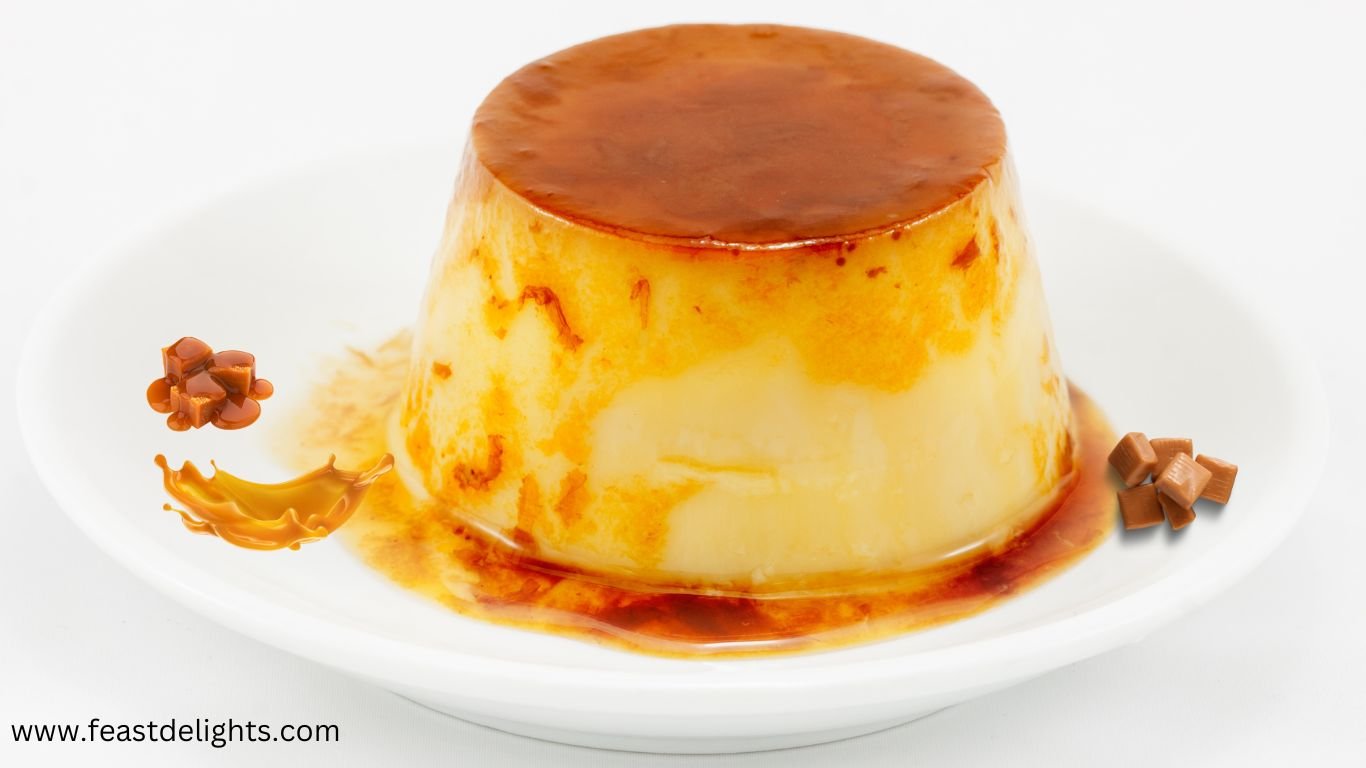
These individual caramel custards have a silky milk-and-egg centre and a glossy, bittersweet caramel sauce. A dry caramel coats six small ramekins before the vanilla custard is poured in. Baking in a water bath moderates the heat so the custards set gently instead of becoming rubbery. After chilling, each portion is inverted onto a rimmed plate, releasing its own caramel sauce. Allow roughly six hours including cooling and refrigeration, and prepare them ahead for a dinner dessert. Fresh berries or orange segments provide a light contrast.
Individual caramel custards are small baked milk-and-egg desserts turned out of ramekins with a glossy caramel sauce. This version makes six portions using dark dry caramel and whole milk. Allow about 6 hours 15 minutes, including cooling and at least four hours of refrigeration. Most of the time is unattended.
Choosing the ingredients and ramekins
Whole milk gives a smooth, lighter custard than cream, and eggs supply the structure. Use two separate sugar quantities: 200 g for caramel and 100 g for custard. This makes a pronounced caramel layer, so its bitterness and sweetness should be confirmed in a kitchen test. Six 150 ml oven-safe ramekins allow individual portions. Use a deep roasting pan that holds them without crowding.
Dry caramel and safe handling
Unlike wet caramel, dry caramel starts with sugar alone in the pan. Heat gradually and watch the changing colour. A light-coloured pan helps you distinguish amber from burnt sugar. King Arthur Baking explains both caramel methods. Remove the sugar from heat before it blackens. Hot caramel causes serious burns; use dry oven gloves, keep children away and never add water to the hot syrup. If it burns, allow it to cool safely before cleaning the pan.
Recipe card
Individual Caramel Custards with Dark Caramel Sauce
Allow about 15 minutes for caramel and milk heating, 40–50 minutes for baking, about 45 minutes for initial cooling and at least 4 hours in the refrigerator. Cooling and chilling can take longer.
Equipment: Kitchen scale, six 150 ml (5 fl oz) oven-safe ramekins, light-coloured heavy saucepan, whisk, fine sieve, jug, deep roasting pan, oven gloves, thermometer, thin knife, rimmed plates
Ingredients
Dry caramel
Vanilla custard
Water bath
Instructions
Prepare six ramekins
Preheat a conventional oven to 160°C (325°F). Arrange six clean, dry 150 ml oven-safe ramekins in a deep roasting pan.
Melt sugar into dark amber caramel
Spread caramel sugar in a heavy, light-coloured dry saucepan. Heat over medium-low heat until it begins melting at the edges. Gently move unmelted sugar into the melted area with a heatproof spatula if needed. When melted, swirl gently and cook until deep amber, not black or smoking. Remove from heat and carefully divide among ramekins, using dry oven gloves. Never add water to hot caramel.
Heat the milk
Heat milk in a separate saucepan until steaming, then remove from heat before boiling.
Temper and strain the custard
Gently whisk eggs, custard sugar, vanilla and salt until combined, avoiding foam. Gradually pour warm milk into eggs while whisking. Strain into a jug and divide among caramel-lined ramekins, leaving a little room at the top.
Bake in a gentle water bath
Place the roasting pan on a stable oven rack and carefully pour hot water into the pan halfway up the ramekins, without splashing custard. Bake 40–50 minutes, checking early. Edges should be set, and centres should tremble gently as one mass rather than flow. Verify the centre reaches at least 71°C (160°F). Continue baking if below that temperature.
50 minCool, chill and unmould
Carefully lift ramekins from the water bath with dry oven gloves. Cool on a rack briefly, then refrigerate within 2 hours of baking. Chill at least 4 hours. Run a thin knife around each edge, briefly dip the ramekin base in warm water if necessary, dry the outside, cover with a rimmed plate and invert. Serve cold.
285 min
How to bake a smooth custard
Warm milk separately and add it gradually to gently whisked eggs. This reduces the risk of scrambling the eggs. Strain before pouring. The hardened caramel layer in each ramekin is expected. Set the filled ramekins in a hot water bath and bake gently. A custard is ready when the edges are set and the centre moves as one soft mass. Check that the centre reaches 71°C (160°F), the minimum for egg dishes recommended by FoodSafety.gov.
Troubleshooting and unmoulding
If the custard develops a bubbly or rubbery texture, reduce excessive mixing and check oven temperature. If caramel remains stuck to the base, briefly warm the outside of the chilled ramekin, dry it and invert. A little caramel may remain in the mould. Refrigerate thoroughly before turning out; warm custard can break.
Serving and variations
Serve cold with berries or orange segments. Infuse the milk with a little orange zest for a citrus variation. For a larger single-mould dessert using wet caramel, see baked vanilla flan. For a crunchy sugar topping rather than a sauce, try vanilla crème brûlée. A baked pastry alternative is vanilla custard tart.
Make ahead, storage and allergens
Cool briefly and refrigerate within two hours of baking, or one hour above 32°C (90°F). Chill at least four hours and store covered at 4°C (40°F) or below for up to three days. Unmould just before serving. Avoid freezing for best texture. Contains eggs and milk; lactose-free milk does not make the dish suitable for a milk allergy.
Frequently asked questions
Why use a water bath for caramel custard?
It moderates the oven heat around the ramekins, helping the egg mixture set evenly without becoming rubbery.
Why does the caramel harden in the ramekin?
This is normal. During baking and chilling, moisture from the custard dissolves much of the caramel into a sauce.
How dark should the caramel be?
Deep amber gives a bittersweet flavour. Remove it before it turns black or smokes; residual heat can deepen the colour.
Why are there holes in my custard?
Excessively high heat or beating too much air into the eggs may cause bubbles. Whisk gently, strain and bake in a water bath.
What if the custard will not unmould?
Loosen the edges with a thin knife and briefly warm the ramekin base in water. Dry the base before inverting onto a rimmed plate.
Can I make these a day ahead?
Yes. Chill covered overnight and unmould just before serving.
More recipes to try

Cream Cheese Chocolate Truffles Rolled in Cocoa

Cream Cheese Cheesecake Danish with Lemon and Vanilla

Fresh Fruit Salad with Orange Honey Dressing

Ptichye Moloko Bird’s Milk Mousse with Chocolate Glaze
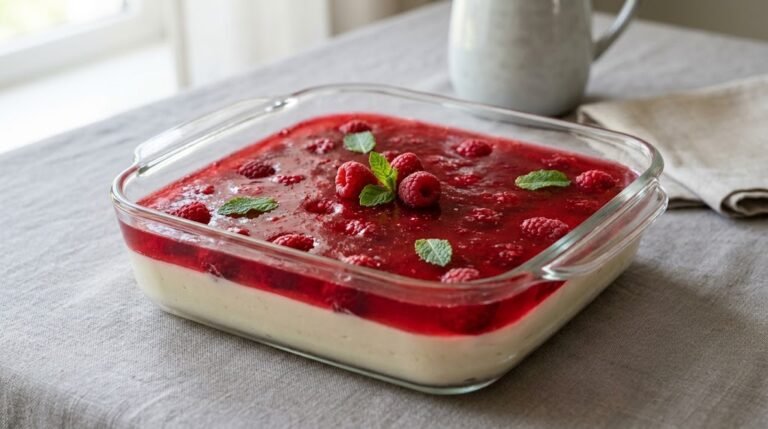
Bird’s Milk Jello with Creamy Mousse and Raspberry Jelly
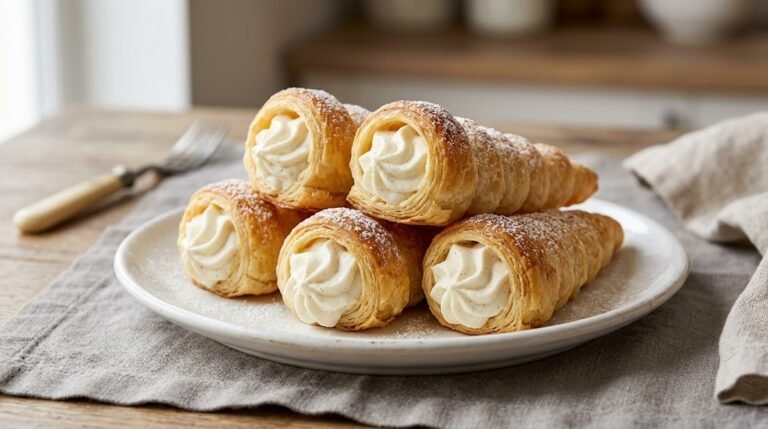
Cream Horn Trubochki with Vanilla Cream Filling
Spotted a detail that needs correcting? Contact the FeastDelights editors.