Vanilla Crème Brûlée with a Crisp Sugar Top
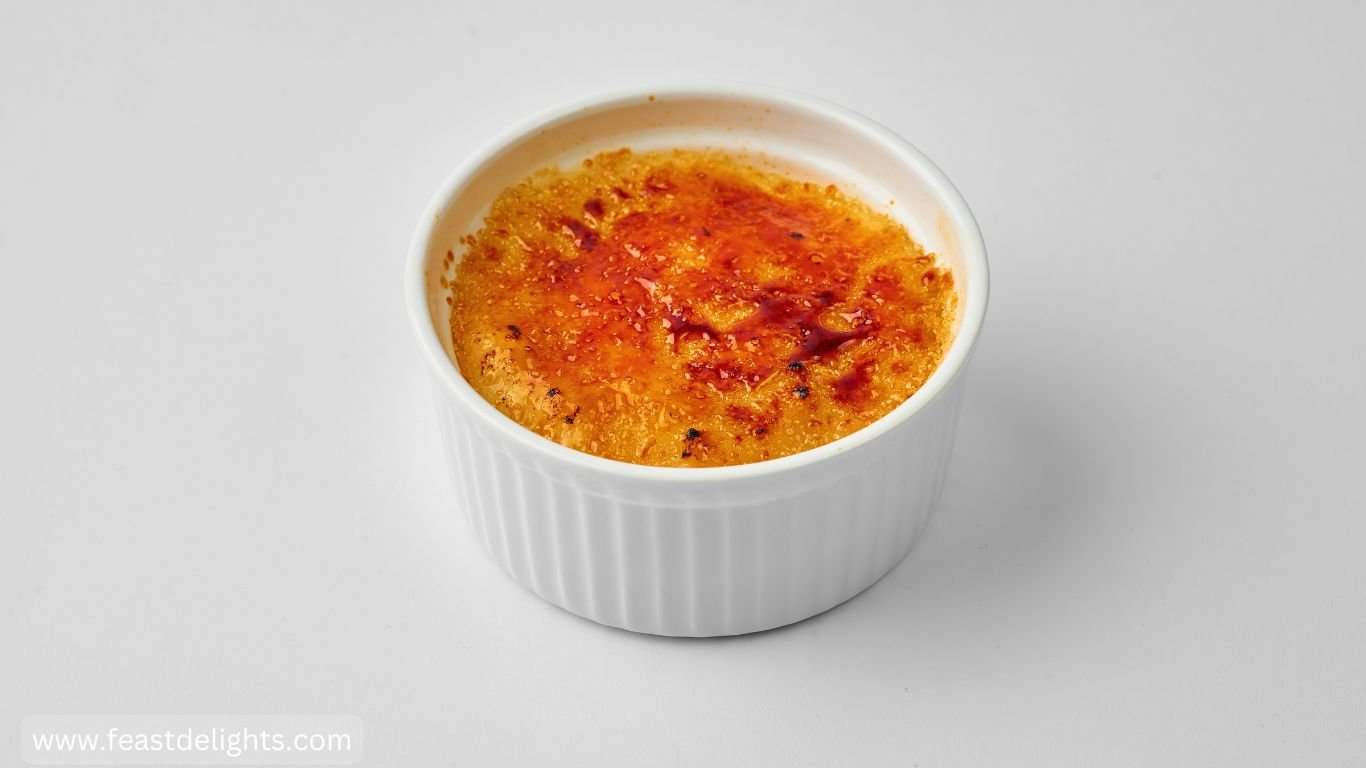
Vanilla crème brûlée is a French baked custard with a cool, creamy interior and a thin caramelised sugar shell that cracks under a spoon. This version infuses heavy cream with a vanilla bean, gently combines it with egg yolks and bakes six individual portions in a hot water bath. Chill the custards thoroughly before caramelising the tops with a kitchen torch. Allow about six hours including refrigeration. The contrast between fragrant chilled custard and freshly hardened caramel is the defining feature of the dessert.
Vanilla crème brûlée is a French dessert of chilled baked cream custard beneath a thin, brittle caramelised sugar layer. This version makes six servings with heavy cream, a vanilla bean and egg yolks. The custards are baked in a water bath, chilled for at least four hours and caramelised just before serving. Allow roughly six hours and twelve minutes including cooling and chilling.
Choosing the cream, vanilla and sugar
Heavy cream provides the rich texture; use a comparable high-fat cream rather than ordinary milk. Split the vanilla bean lengthways and scrape the tiny seeds into the cream before heating. The pod can steep with the seeds and is removed before tempering. Egg yolks thicken the custard as they cook, while sugar softens the flavour and texture. The existing method uses 150 g of granulated sugar in the custard, so that amount is listed here instead of the previous unexplained 200 g. The demerara or turbinado sugar is separate for the topping. Six yolks for one litre of cream is a relatively light custard ratio, and the final firmness should be checked in a kitchen test rather than assumed.
Equipment and preparation
Use six equal shallow oven-safe ramekins of approximately 220–250 ml capacity and a deep roasting pan large enough to hold them without touching. Shallow dishes provide a broad surface for the caramel and cook more evenly than deep dishes of the same volume. Have a fine sieve, jug, thermometer and suitable tongs ready. Use a culinary torch on a stable heatproof surface, following its safety instructions.
Recipe card
Vanilla Crème Brûlée with a Crisp Sugar Top
Preparation includes the 10-minute vanilla steep. Cook time includes heating cream, approximately 35–50 minutes baking and torching. Waiting includes about 45 minutes cooling, 240 minutes refrigeration and 2 minutes caramel hardening. The cream-to-yolk ratio and baking time require kitchen confirmation.
Equipment: Six shallow oven-safe 220–250 ml ramekins, deep roasting pan, saucepan, heatproof bowl, whisk, fine sieve, jug, kettle, suitable ramekin tongs, wire rack, instant-read thermometer and culinary torch.
Ingredients
Vanilla custard
Caramel topping
Instructions
Infuse the cream
Preheat a conventional oven to 150°C (300°F). Arrange six shallow oven-safe ramekins of about 220–250 ml capacity in a deep roasting pan. Heat the heavy cream with the split vanilla pod and scraped seeds until steaming, without boiling vigorously. Remove from heat and steep 10 minutes.
Mix yolks and sugar
Whisk the six egg yolks, 150 g granulated sugar and salt in a heatproof bowl until smooth. Avoid whipping in excessive air.
Temper and strain
Remove the vanilla pod. Slowly pour a little warm cream into the yolks while whisking, then gradually add the rest. Strain through a fine sieve into a jug and skim surface foam. Divide evenly among the six ramekins, leaving headroom.
Bake in a water bath
Place the roasting pan on the oven rack and carefully pour hot water into the pan until it reaches about halfway up the ramekin sides, without splashing into the custard. Bake about 35–50 minutes, checking each dish; extend if necessary until the edges are set, centres gently tremble as one mass rather than slosh, and the centre temperature is approximately 77–79°C (170–175°F), above the 71°C (160°F) egg-dish safety minimum. Ramekin depth and the relatively light yolk ratio may extend baking.
Cool and refrigerate
Carefully lift the ramekins out of the hot water using suitable tongs or dry oven mitts. Cool on a rack for about 30–45 minutes, refrigerating within 2 hours of baking (1 hour above 32°C/90°F). Chill at least 4 hours or overnight until set, and cover once cold.
Caramelise the sugar and serve
Just before serving, blot moisture from the chilled custard. Sprinkle a thin, even layer of demerara or turbinado sugar over each top, starting with 1–2 teaspoons and using up to 1 tablespoon depending on surface area. Set dishes on a stable heatproof surface away from flammable items. Use a kitchen torch according to its manufacturer's safety instructions, sweeping the flame evenly until the sugar melts and turns amber. Let harden 1–2 minutes before serving; do not touch the hot caramel.
How to temper and bake the custard
Heat the cream gently with vanilla, then allow it to steep. Slowly add the warm cream to the whisked yolks rather than pouring everything in at once. This gradually raises the yolks’ temperature and reduces the chance of curdling. Strain to remove any cooked egg particles or pieces of pod, and avoid pouring foam into the ramekins. Add hot water around the dishes once the roasting pan is safely positioned on the oven rack. Do not let water enter the custard. The water bath moderates the heat, helping the edges and centres cook more evenly.
Check the custard’s centre, not just its appearance. America’s Test Kitchen uses a centre temperature of approximately 77–79°C (170–175°F) as a texture cue for its classic recipe. This exceeds the FDA egg-dish minimum of 71°C (160°F). The centre should gently tremble, not ripple like liquid. Remove ramekins from the water carefully and refrigerate promptly after brief cooling.
How to make a thin, crisp caramel shell
Chill the custards thoroughly first. Blot condensation from the surface, then sprinkle just enough sugar to cover it evenly without thick mounds. Use a culinary torch according to its instructions, keeping the flame moving to avoid blackening one spot. Work away from paper, curtains and other flammable materials. The sugar should turn amber and harden briefly before serving. A thick sugar layer can be difficult to crack, so use less than the listed maximum if the dishes are small.
Troubleshooting
The custard is grainy
High heat or abrupt tempering can coagulate the yolks unevenly. Add warm cream slowly and keep the oven at the specified temperature.
The custard remains runny
Continue baking gently if it is still liquid and verify the temperature. Refrigeration helps a cooked custard set but cannot correct raw filling. The relatively light yolk ratio may yield a softer texture.
The caramel is wet or burnt
Dry the chilled custard surface and apply an even layer. Caramelise at serving time rather than refrigerating the finished sugar shell.
Serving and related desserts
Serve the custards with fresh berries or a vanilla butter shortbread cookie. Our pumpkin crème brûlée is a separate spiced variation, while vanilla custard tart offers a sliceable pastry-based dessert.
Make ahead, storage and allergens
Prepare the custards a day ahead and caramelise only the servings needed. Refrigerate the uncaramelised custards at 4°C (40°F) or below within 2 hours of baking, or 1 hour above 32°C (90°F). Cover once chilled and use within 3 days. Caramelise only the portions being served. Freezing is not recommended because the custard may separate and the sugar shell softens. Contains milk and eggs. Keep cream and eggs refrigerated before preparation and handle hot water, ramekins and caramel with care.
Frequently asked questions
Why bake crème brûlée in a water bath?
The surrounding hot water moderates the heat reaching the ramekins, helping the custard cook gently and evenly.
Can I use vanilla extract instead of a bean?
Yes. Stir a suitable amount, such as 1–2 teaspoons according to strength, into the warm cream. The flavour and visible vanilla flecks will differ.
Why is my custard still liquid?
Check the centre temperature and continue gentle baking until it is no longer sloshy. The original cream-to-yolk ratio is relatively light, so exact set and baking time need kitchen confirmation.
Can I use ordinary granulated sugar for the topping?
Yes. Sprinkle a thin, even layer and caramelise carefully. Fine sugar melts faster than coarse sugar.
Can I make crème brûlée without a kitchen torch?
An oven grill or broiler is possible only with broiler-safe dishes. Watch continuously because the sugar can burn and the custard can warm quickly. A culinary torch gives more control.
Can I caramelise the tops a day ahead?
It is better to wait until serving. Refrigerated caramel absorbs moisture and loses its brittle texture.
More recipes to try

Cream Cheese Chocolate Truffles Rolled in Cocoa

Cream Cheese Cheesecake Danish with Lemon and Vanilla

Fresh Fruit Salad with Orange Honey Dressing

Ptichye Moloko Bird’s Milk Mousse with Chocolate Glaze
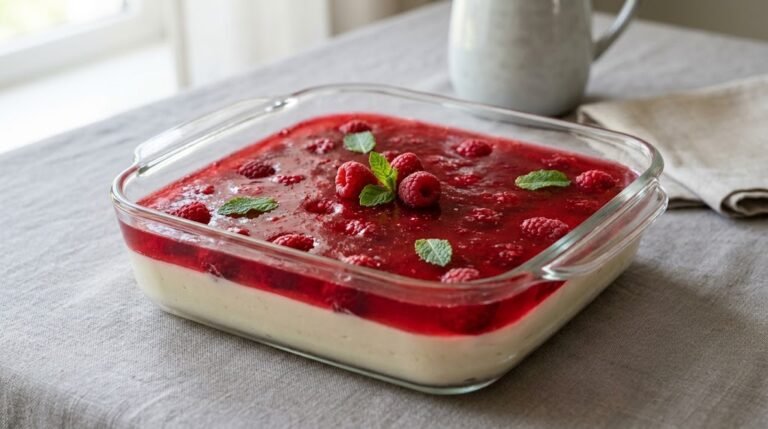
Bird’s Milk Jello with Creamy Mousse and Raspberry Jelly
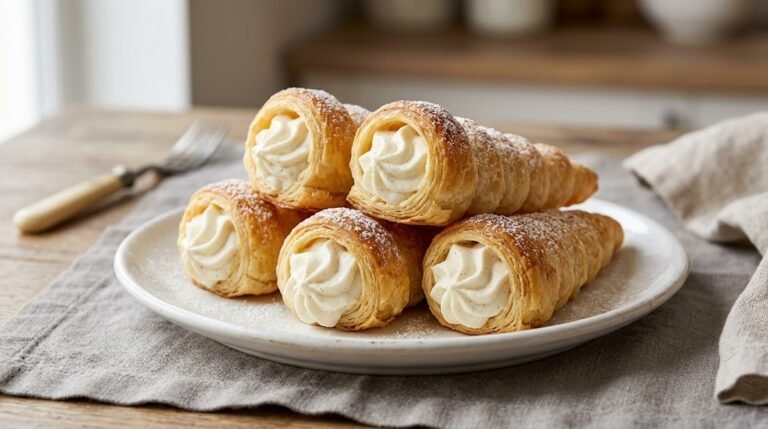
Cream Horn Trubochki with Vanilla Cream Filling
Spotted a detail that needs correcting? Contact the FeastDelights editors.