Yeast Doughnuts with Optional Jam Filling
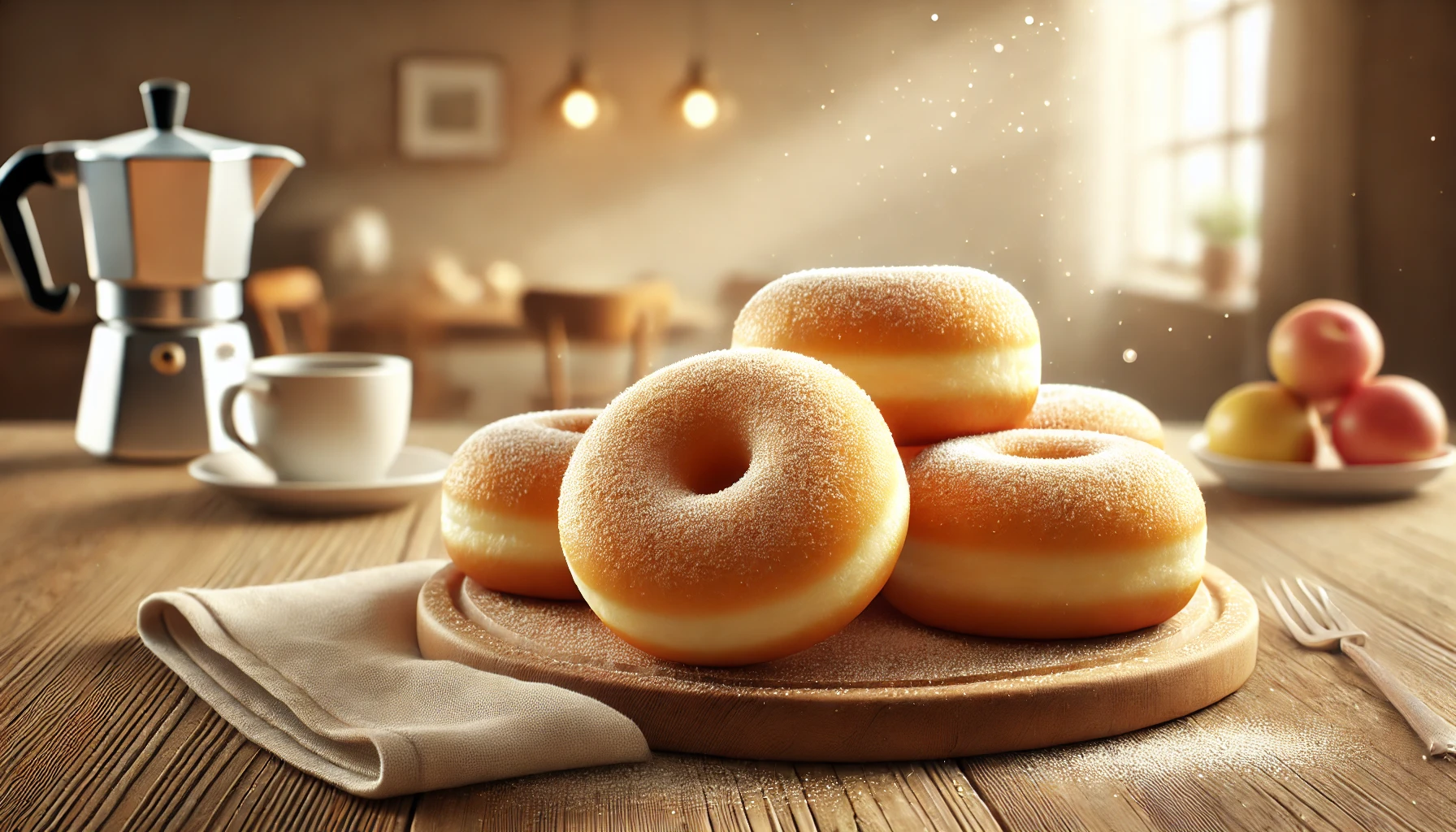
These soft yeast doughnuts are made with milk, eggs and melted butter, then fried until golden with a light, fluffy centre. Unlike doughnuts filled before frying, these rounds can be injected with jam or dulce de leche once cool, or simply dusted with icing sugar. The recipe makes twelve doughnuts. Allow roughly three hours and fifteen minutes for mixing, two rises, batch frying and cooling before filling. The dough should feel smooth and elastic, and the oil temperature matters more than a fixed frying time.
Yeast doughnuts with optional jam filling are round, deep-fried buns made from flour, milk, eggs, sugar and butter. This recipe makes twelve doughnuts with a soft, airy centre. Plan around three hours and fifteen minutes including two rises and cooling before filling. The original quantities are retained; doughnut size and yield may vary with the cutter.
Mix and knead the enriched dough
Use plain all-purpose flour and instant yeast. Warm the milk according to the yeast package instructions; it should not be hot. Allow melted butter to cool until lukewarm before adding it. Combine the flour, sugar, yeast and salt, then mix in milk, eggs and butter. Knead for about eight minutes until smooth and elastic. The dough may be slightly tacky, but should hold together. Avoid adding large quantities of flour simply because the dough sticks at first; a scraper helps during kneading.
Cover and leave in a comfortably warm, draught-free place until approximately doubled, usually 60–90 minutes. A cooler room may require longer. Judge the volume, not just the clock.
Recipe card
Yeast Doughnuts with Optional Jam Filling
30 minutes active preparation, about 25 minutes batch frying, up to 90 minutes first rise, 20 minutes final proof and an estimated 30 minutes cooling. Rise and cooling times vary; cool completely before filling.
Equipment: Kitchen scale, mixing bowl, dough scraper, rolling pin, round cutter, lined tray, deep heavy-based pot or approved fryer, deep-fry thermometer, slotted spoon, wire rack and optional piping bag.
Ingredients
Dough
Frying
Finishing
Instructions
Mix and knead the dough
Mix flour, sugar, instant yeast and salt. Add warm milk, eggs and cooled melted butter. Knead about 8 minutes until smooth and elastic.
Let the dough rise
Cover and leave in a warm place for 60–90 minutes or until approximately doubled.
Cut and proof the rounds
Roll dough to 1.5 cm thick, cut rounds and place on a lightly floured tray. Cover and proof 15–20 minutes or until puffy.
Fry until cooked through
Heat neutral oil in a deep pot or fryer to 175°C (350°F). Fry a few rounds at a time for about 2–3 minutes per side until deep golden with no raw dough inside. Drain on a rack.
Cool and finish
Cool completely before piping optional jam or dulce de leche into the sides. Dust with icing sugar if desired.
Cut and proof the rounds
Roll the dough to about 1.5 cm (roughly ⅝ inch) thick and cut equal rounds. A cutter around 7–8 cm is an editorial starting estimate; the original does not specify diameter. Place the rounds on a lightly floured or parchment-lined tray, cover and proof for 15–20 minutes or until visibly puffy. Reroll scraps gently if needed and let them relax briefly first. Avoid pressing out all the air during shaping.
Fry at a steady temperature
Use a stable, deep pot or a fryer according to its instructions. The listed litre of oil is an estimate; use only enough to fry safely without overfilling the pot. Heat to about 175°C (350°F), using a deep-fry thermometer. Keep water away from hot oil and never leave it unattended. Lower a few rounds into the oil carefully, leaving room for them to expand. Cook about two to three minutes per side until deep golden and cooked through. Check the first doughnut by splitting it after draining: no wet dough should remain inside. If it browns before the middle sets, reduce the heat and adjust the frying time. Let the oil recover between batches.
Drain on a rack. Never taste uncooked dough; flour and eggs can carry harmful bacteria. For the frying temperature, see USDA deep-fry thermometer guidance.
Fill after cooking, or serve plain
Let the rounds cool completely before inserting a piping nozzle into the side and adding a little smooth jam or dulce de leche. Do not overfill. This differs from our filled yeast doughnuts, where the filling is enclosed before frying, and our milk doughnut rings. For a quicker variation see no-yeast kefir doughnuts. Serve with icing sugar, coffee or tea.
Make ahead and allergens
For the best texture, fry on the serving day. Freeze plain cooked doughnuts rather than storing mixed dough at room temperature. Follow filling label storage instructions, and refrigerate perishable dairy fillings promptly. Contains wheat, milk and eggs; check the optional filling for additional allergens.
Frequently asked questions
Can I use active dry yeast instead of instant yeast?
Follow the yeast manufacturer's instructions for conversion and activation; the original recipe uses 7 g instant yeast.
Why are my doughnuts dense?
Insufficient proofing, excess flour or limited kneading can make the crumb dense. Let the dough visibly rise.
Why are doughnuts brown outside but raw inside?
The oil may be too hot or rounds too thick. Check the temperature and test the first cooked round.
When should I add the jam?
After frying and complete cooling, using a piping nozzle. This recipe does not enclose filling before frying.
Can I freeze them?
Yes. Freeze fully cooled plain doughnuts and thaw before adding any filling.
More recipes to try

Cream Cheese Chocolate Truffles Rolled in Cocoa

Cream Cheese Cheesecake Danish with Lemon and Vanilla

Fresh Fruit Salad with Orange Honey Dressing

Ptichye Moloko Bird’s Milk Mousse with Chocolate Glaze
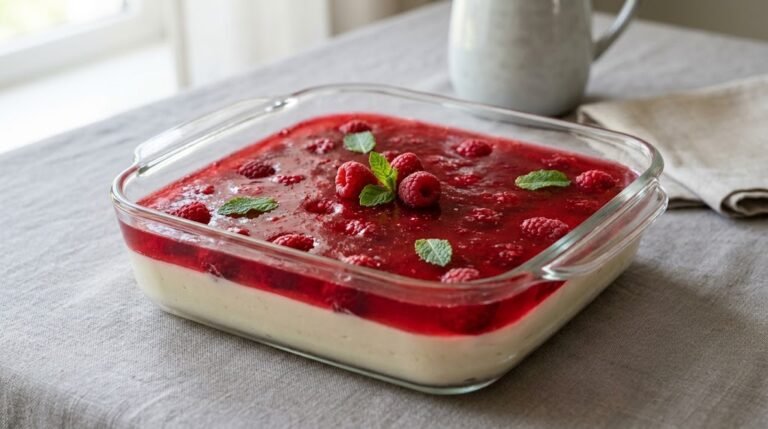
Bird’s Milk Jello with Creamy Mousse and Raspberry Jelly
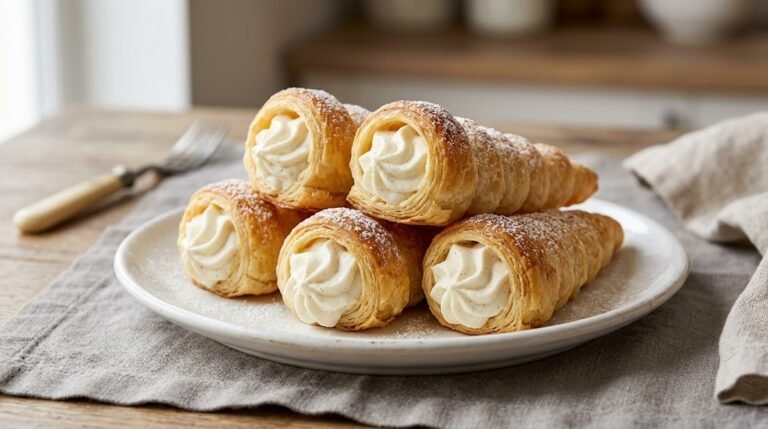
Cream Horn Trubochki with Vanilla Cream Filling
Spotted a detail that needs correcting? Contact the FeastDelights editors.