Rosh Hashanah Honey Cake with Cinnamon
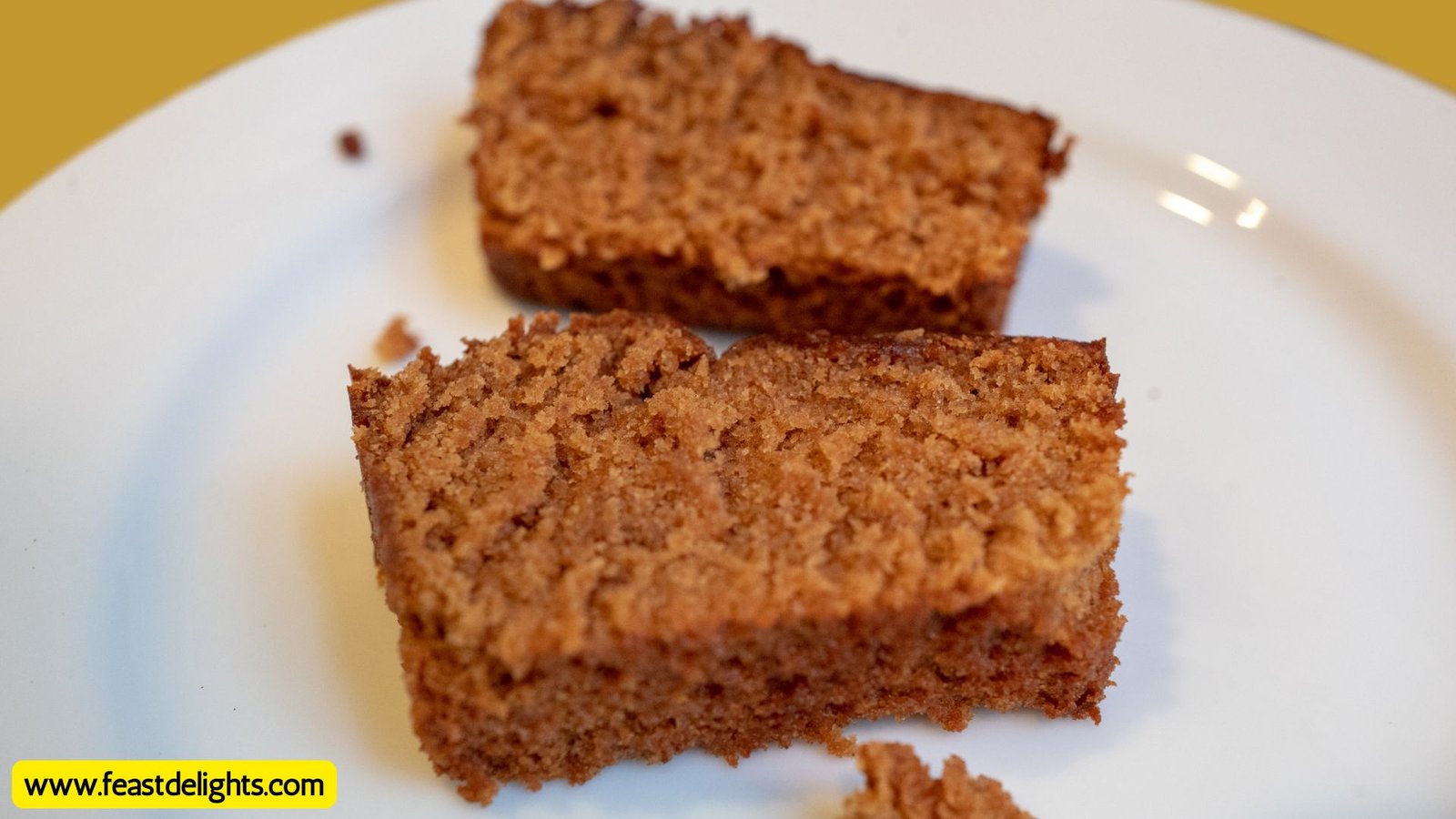
This Rosh Hashanah honey cake is a moist cinnamon and vanilla loaf with a golden crust and the sweetness of honey. Optional chopped almonds add a little crunch without changing the batter. The cake comes together by hand in about 20 minutes and bakes in a standard 23 × 13 cm (9 × 5 inch) loaf tin. Allow it to cool completely before cutting into ten slices. You can bake it the day before the celebration and serve it at room temperature with sliced apples or tea.
Rosh Hashanah honey cake is a sweet, gently spiced loaf with a moist crumb. This version makes ten slices with 20 minutes of preparation, approximately 55 minutes of baking and at least an hour of cooling. You need only a whisk, two bowls and a standard loaf tin.
Honey cake is one of the foods associated with wishes for a sweet Jewish New Year, as explained in My Jewish Learning’s guide to Rosh Hashanah customs. Household recipes vary; this is a milk-based version rather than a claim to one definitive traditional formula.
Recipe card
Rosh Hashanah Honey Cake with Cinnamon
Baking takes 50–60 minutes. Allow at least 60 minutes for cooling, or longer until the centre is no longer warm. Overnight resting is optional.
Equipment: 23 × 13 cm (9 × 5 inch) loaf tin, parchment, two bowls, whisk, spatula, scale, measuring spoons, skewer and wire rack
Ingredients
Dry ingredients
Wet ingredients
Optional topping
Instructions
Line the loaf tin
Preheat a conventional oven to 170°C (340°F). Grease a 23 × 13 cm (9 × 5 inch) loaf tin and line with parchment, leaving an overhang. Place a rack near the middle of the oven.
Whisk the wet ingredients
Whisk the eggs and sugar together until evenly combined. Whisk in the honey, milk, neutral oil and vanilla until no oily streaks remain. If the honey is crystallised, warm it gently separately and let it cool before adding.
Fold in the dry ingredients
In a separate bowl whisk the flour, baking powder, baking soda, cinnamon and salt. Fold into the wet mixture with a spatula, scraping the bottom of the bowl until no pockets of dry flour remain. Stop mixing once combined.
Bake until set in the centre
Pour into the tin and scatter the almonds on top if using. Bake 50–60 minutes. If the top browns too quickly, cover loosely with foil once the crust has set. A skewer inserted into the deepest part should come out with a few moist crumbs but no wet batter. Continue baking in short intervals if needed.
Cool on a rack
Cool in the tin for 15 minutes, then lift out using the parchment and set on a rack. Allow at least another 45 minutes, or longer until fully cool, before slicing.
What gives honey cake its texture?
Honey contributes moisture and encourages browning. A mild honey allows the cinnamon and vanilla to remain noticeable; a dark variety makes the flavour stronger. The measured sugar also contributes to structure and tenderness, so reducing either sweetener substantially can change the crumb. Use neutral oil rather than a strongly flavoured one. All-purpose flour is the right choice here because the batter already contains baking powder and baking soda.
Weigh the flour if possible. A packed measuring cup can add more flour than intended, turning a moist loaf into a dry one. Whisk the dry ingredients separately to distribute the raising agents and cinnamon. Once the wet and dry mixtures meet, use a spatula rather than prolonged vigorous whisking.
Choose the right tin and check the centre
A standard 9 × 5 inch loaf tin gives the batter space to rise. Do not use a much smaller tin or fill a shallow one to its rim; bake surplus batter separately and check it earlier. Preheat the oven before mixing. The outside of a honey cake may darken before the centre is ready, particularly in a dark metal tin.
Start checking near 50 minutes. Insert a skewer into the deepest section, not just the edge. A few soft crumbs are fine, but liquid batter means the cake needs more time. Cover the set crust loosely with foil if necessary. Avoid opening the oven repeatedly early in baking.
Troubleshooting
Sunken centre: the structure may not have set before the tin came out of the oven. Check more than one spot if the skewer comes out wet. Tough crumb: weigh the flour and stop folding as soon as the mixture is even. Sticky slices: cool the cake completely and use a serrated knife with a gentle sawing motion.
Serving and variations
Serve at room temperature with tea, coffee or fresh apple slices. Almonds add contrast, but a plain top makes wrapping and gifting easier. A little orange zest is a plausible variation; add it to the wet ingredients. For a dairy-free adaptation, plain unsweetened plant drink may work in the same volume, but the result needs kitchen review.
For other styles of honey baking, see our spiced honey loaves, layered honey cake with sour cream and honey fruitcake with tea-soaked fruit.
Make ahead and store
Cool the unfrosted cake on a rack before wrapping so that trapped steam does not soften the crust excessively. Keep tightly wrapped in a cool, dry place for up to two days. For longer storage, freeze wrapped slices for up to two months for best quality and thaw wrapped at room temperature. Store dairy toppings separately in the refrigerator. See King Arthur Baking’s cake storage guidance.
Allergens and safety
Contains wheat, eggs and milk, plus tree nuts if almonds are included. Check labels and equipment for cross-contact. Do not give this honey-containing cake to infants younger than 12 months, even after baking; see CDC botulism prevention guidance. Do not taste raw batter.
Frequently asked questions
Can I make honey cake a day ahead?
Yes. Let it cool completely, wrap tightly and leave in a cool, dry place overnight. Slice the next day.
Why is the centre of my loaf gummy?
The cake may be underbaked, or the flour may have been overmixed. Check the deepest part with a skewer before removing the loaf, and avoid beating the batter after adding flour.
Can I leave out the almonds?
Yes. They are an optional topping, not part of the batter. Check ingredients and equipment for cross-contact if cooking for someone with an allergy.
What honey should I use?
A mild blossom honey lets cinnamon stand out; darker honey produces a stronger flavour. Keep the measured weight the same.
Why does the crust turn dark before the centre cooks?
Honey and sugar encourage browning. Cover the set top loosely with foil and let the centre finish baking.
Is this honey cake pareve?
No. The original formula contains milk. A plain unsweetened plant drink is a possible substitution, but that variation has not been kitchen-verified; check kosher requirements separately.
More recipes to try






Spotted a detail that needs correcting? Contact the FeastDelights editors.