Vanilla Sour Cream Cupcakes with Optional Raisins
These vanilla sour cream cupcakes have a soft, lightly tangy crumb and golden tops, with optional raisins for little pockets of sweetness. Sour cream supplies moisture and fat without additional butter in the batter. Beating the eggs and sugar first and folding in the flour gently helps the small cakes rise without becoming tough. The recipe makes 12 standard cupcakes in about 40 minutes, plus cooling. Enjoy them plain with tea, dust with icing sugar or add a frosting once completely cool.
Vanilla sour cream cupcakes are small, tender cakes made with eggs, sugar, flour and sour cream. This version makes 12 cupcakes in around 40 minutes of preparation and baking, plus cooling. Raisins are optional, and no additional butter is needed in the batter.
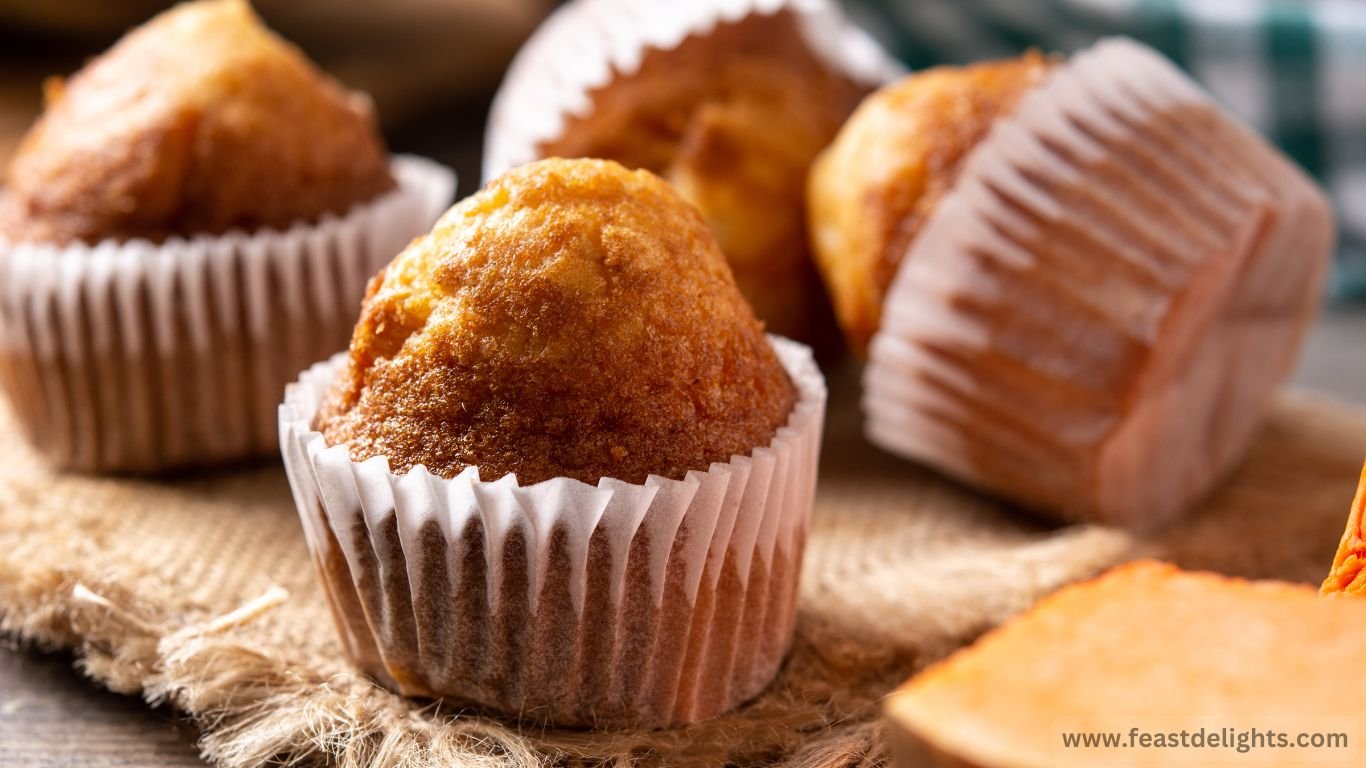
Recipe card
Vanilla Sour Cream Cupcakes with Optional Raisins
15 minutes preparation and up to 25 minutes baking; allow an additional 5 minutes in the tin and cooling on a rack before frosting.
Equipment: 12-hole standard muffin tin, paper liners, mixing bowls, electric whisk or hand whisk, sieve, spatula, scale, skewer and cooling rack.
Ingredients
Wet mixture
Dry ingredients
Wet mixture
Dry ingredients
Optional addition
Instructions
Preheat and line the muffin tin
Preheat a conventional oven to 180°C (350°F). Line a standard 12-hole muffin tin. If using raisins that have been soaked, drain and blot them well; dry raisins can also be used.
Whisk eggs and sugar
Whisk eggs and sugar until paler and slightly thickened. Mix in sour cream and vanilla sugar until evenly combined.
Fold in the flour and raisins
Whisk flour, baking powder and salt in a separate bowl. Fold into the egg mixture with a spatula just until no dry streaks remain. Fold in optional raisins with a few final strokes; avoid beating the finished batter.
Fill and bake the cupcakes
Divide the batter evenly among the 12 liners, aiming for about two-thirds full. Bake on the middle rack for 20–25 minutes until lightly golden, the centres spring back gently and a skewer comes out without wet batter. If needed, bake a few minutes longer.
Cool on a rack
Leave in the tin for 5 minutes, then transfer to a rack to cool. Serve plain or frost only when fully cool.
Why sour cream works in cupcake batter
Plain full-fat sour cream contributes both fat and moisture, so these cakes do not require the separate butter or oil used in many cupcake recipes. Its gentle acidity also gives the finished crumb a lightly tangy taste. Use a thick plain product, not sweetened cream or a thin pouring cream. Thick full-fat Greek yoghurt is a possible substitute, although the result may differ.
Weigh the flour to avoid adding too much. Baking powder is the listed leavener; do not exchange it teaspoon for teaspoon with baking soda. Vanilla sugar flavours the cakes without a strong colour. If unavailable, vanilla extract can be mixed into the wet ingredients.
Mixing the batter for a tender crumb
Whisk eggs with the sugar until pale and slightly thickened before adding the sour cream. This introduces air early. Combine flour, salt and baking powder separately so the leavener is distributed throughout the batter. Once flour is added, fold with a spatula rather than beating vigorously. Stop when there are no dry flour pockets. A few small lumps are preferable to prolonged mixing.
Raisins are entirely optional. If they are particularly dry, soften them briefly in warm water, drain and pat dry. Excess soaking liquid changes the batter consistency. Fold them in at the end with as few strokes as possible.
Baking and checking doneness
Use a standard muffin tin with paper liners. Divide the batter evenly and avoid filling cups more than two-thirds full; if your tin is smaller than standard, bake any excess separately. Bake at 180°C (350°F) on the middle rack. Avoid opening the oven early while the structure is setting. At around 20 minutes, check that the tops are lightly golden and the centres spring back when touched gently. Insert a skewer into a centre; it should come out without wet batter. Do not taste raw flour-and-egg batter.
If cakes are darkening while still wet inside, check oven temperature and continue baking carefully. Leave baked cupcakes in the tin for five minutes, then move to a rack to prevent damp bottoms. The exact texture and yield need confirmation in a kitchen test.
Serving and variations
Serve with tea or coffee, or dust with icing sugar once cool. Lemon zest gives a citrus note without adding much liquid. For a different batter, compare vanilla cupcakes with milk and butter or vanilla kefir cupcakes. For a decorated version, the vanilla buttercream recipe is a separate topping option.
Storage and allergens
Cool plain cupcakes fully before covering to avoid condensation. Keep in a cool dry place for up to one day or refrigerate for up to three days. Refrigerate cupcakes with perishable frosting or fresh cream promptly; follow the frosting’s storage guidance. Freeze unfrosted cupcakes in a well-sealed container for up to two months for best quality. Thaw covered before serving. The batter contains wheat, eggs and milk. Check raisins for sulphites and any toppings for additional allergens.
Frequently asked questions
Can I use Greek yoghurt instead of sour cream?
A thick plain full-fat Greek yoghurt may work in the same volume, but flavour and texture can differ.
Why did the cupcakes sink?
The centres may have been underbaked or the oven door opened too soon. Check the centre with a skewer before removing.
Why are my cupcakes dense?
Overmixing after adding flour or expired baking powder can reduce lift. Fold gently and check the leavener.
Do I need to soak the raisins?
No. Use dry raisins, or briefly soften very dry ones and blot them thoroughly before folding into the batter.
Can I use vanilla extract?
Yes. Add about a teaspoon with the sour cream instead of the vanilla sugar.
Can I freeze these cupcakes?
Yes. Cool completely, wrap unfrosted cakes well and freeze for up to two months for best quality.
More recipes to try

Cream Cheese Chocolate Truffles Rolled in Cocoa

Cream Cheese Cheesecake Danish with Lemon and Vanilla

Fresh Fruit Salad with Orange Honey Dressing

Ptichye Moloko Bird’s Milk Mousse with Chocolate Glaze
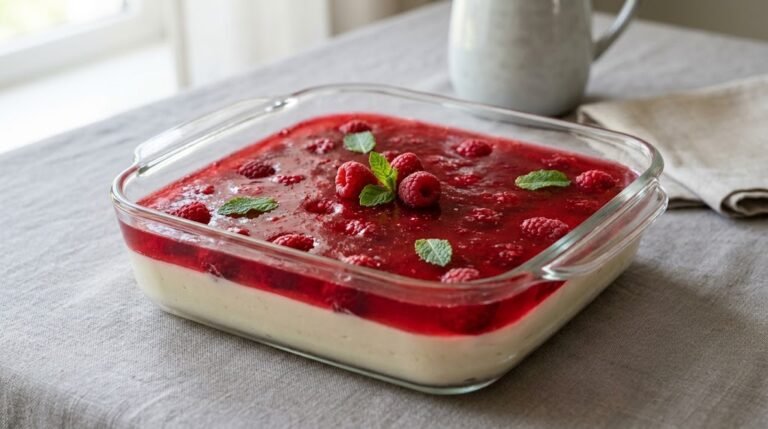
Bird’s Milk Jello with Creamy Mousse and Raspberry Jelly
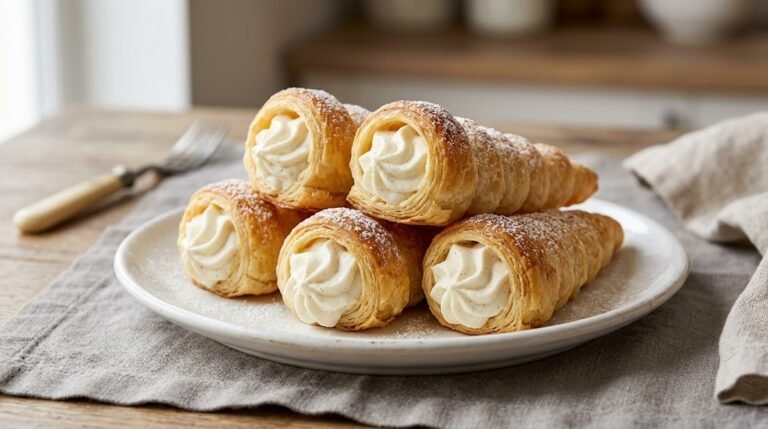
Cream Horn Trubochki with Vanilla Cream Filling
Spotted a detail that needs correcting? Contact the FeastDelights editors.