Soft Vanilla Cupcakes Recipe with Milk and Butter
These soft vanilla cupcakes are made by creaming softened butter with sugar, then alternating flour with whole milk to create a smooth batter. They bake into twelve tender individual cakes with a gentle vanilla flavour, suitable for serving plain with tea or decorating after cooling. Unlike a quick melted-butter batter, this method relies on air incorporated during creaming. Allow about 44 minutes to prepare and bake, plus roughly 30 minutes or longer for the cupcakes to cool before frosting.
Soft vanilla milk cupcakes are individual butter cakes with a tender crumb and a mild vanilla flavour. This recipe yields twelve cupcakes using 250 g flour, 100 g softened butter, two eggs and 240 ml whole milk. Allow about 44 minutes to prepare and bake, plus cooling. It differs from our quick vanilla cupcakes with melted butter, which use a different mixing technique and less milk.
Ingredient temperature and accurate measuring
Use plain all-purpose flour, weighed rather than scooped, and check that baking powder is within its use-by date. Softened butter should yield to gentle pressure but should not look oily or melted. Take the eggs and milk out briefly before mixing so they combine readily with the butter; do not leave perishable ingredients out for prolonged periods. Whole milk gives the batter richness. Vanilla extract provides flavour without adding much liquid.
Cream butter and sugar until paler and visibly fluffy, scraping the bowl periodically. This incorporates air into the mixture. Add eggs individually and mix each in before adding the next. If the mixture looks slightly curdled, continue with the flour and milk additions rather than beating for several extra minutes.
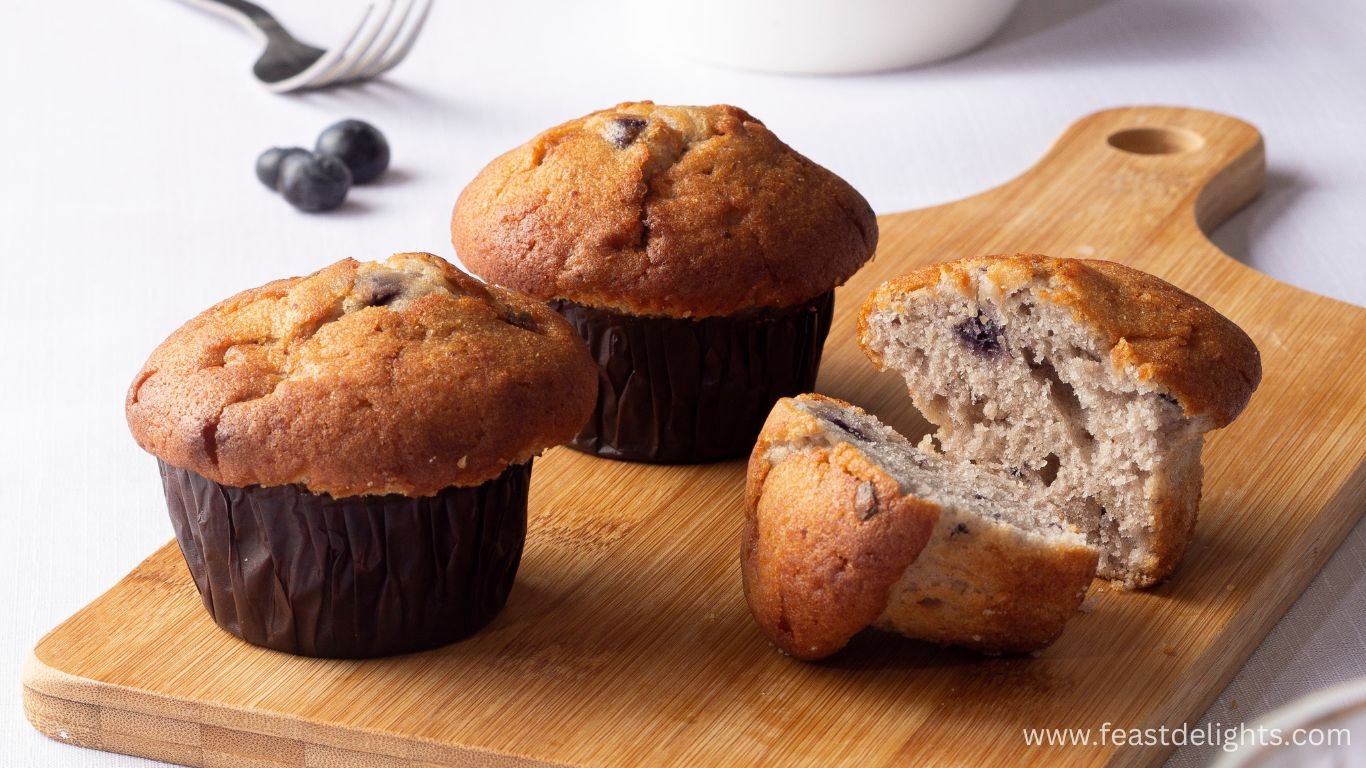
Recipe card
Soft Vanilla Cupcakes Recipe with Milk and Butter
20 minutes preparation, 20–24 minutes baking and about 30 minutes cooling. Allow longer before frosting if still warm.
Equipment: Kitchen scale, measuring jug and spoons, two mixing bowls, electric hand mixer or stand mixer, whisk, spatula, standard 12-cup muffin tin, paper cases, skewer and wire rack.
Ingredients
Dry ingredients
Butter mixture
Dry ingredients
Butter mixture
Instructions
Prepare the oven and tin
Preheat a conventional oven to 180°C (350°F). Line a standard 12-cup muffin tin with paper cases.
Whisk dry ingredients
Whisk flour, baking powder and salt until evenly combined.
Cream butter and sugar
Beat softened butter and sugar until pale and fluffy, scraping the bowl. Add eggs one at a time, then mix in vanilla.
Alternate flour and milk
Add dry ingredients in three portions, alternating with two additions of milk. Mix gently just until no flour streaks remain.
Bake and cool
Divide batter evenly among cases, about two-thirds full. Bake 20–24 minutes until the tops spring back and a skewer comes out clean. Cool on a wire rack completely before frosting.
Alternate flour and milk without overmixing
Whisk the flour, baking powder and salt together. Add about one third of the dry mixture, then half the milk, another third of the flour, the remaining milk and finally the last flour. Mix gently after each addition. Stop as soon as no dry streaks remain; prolonged mixing can develop gluten and make the crumb tough. Avoid tasting uncooked batter because flour and eggs may carry harmful bacteria.
Divide evenly among standard paper cases, filling roughly two-thirds full and avoiding overflow if your tin is shallow. Bake at 180°C (350°F) conventional heat on the middle rack. Start checking at 20 minutes: the tops should spring lightly back and a skewer should come out clean. Avoid opening the oven early while the batter is still setting. Transfer the cupcakes to a wire rack after they are cool enough to handle.
Troubleshooting
If cupcakes sink, they may have been removed before the middle set, or the oven door may have been opened too soon. If the crumb is dry, weigh flour and check the cakes earlier next time. If they are dense, check butter temperature, the creaming stage and how long the flour was mixed. Let cupcakes cool fully before adding icing so it does not melt.
Variations, serving and storage
Try a little finely grated lemon zest for a citrus note or a small amount of chopped dried apricot. Replacing milk with unsweetened plant milk changes the batter but does not make it dairy-free unless the butter is also replaced with a suitable dairy-free baking fat. The resulting texture needs separate testing. For a different base, see our vanilla sour cream cupcakes. Decorate cooled cupcakes with vanilla buttercream if desired.
Keep plain cakes covered once completely cool. Freeze uniced cakes if making them ahead. Refrigerate perishable toppings promptly. This recipe contains wheat, eggs and milk; check decorations for additional allergens. See CDC guidance on raw batter.
Frequently asked questions
Why cream butter instead of melting it?
Creaming softened butter with sugar incorporates air, which helps the batter rise and gives this recipe its characteristic crumb.
Why did the batter curdle?
Cold eggs or milk can cause the butter mixture to separate slightly. Add eggs gradually and use ingredients that are not fridge-cold.
Can I use self-raising flour?
The original recipe uses plain flour and separately measured baking powder. Self-raising flour would require reformulating the raising agent.
Why are the cupcakes tough?
Excess flour or overmixing after flour is added can make the crumb dense or tough.
Can I frost them the next day?
Yes. Store fully cooled plain cupcakes airtight and decorate the next day.
More recipes to try

Cream Cheese Chocolate Truffles Rolled in Cocoa

Cream Cheese Cheesecake Danish with Lemon and Vanilla

Fresh Fruit Salad with Orange Honey Dressing

Ptichye Moloko Bird’s Milk Mousse with Chocolate Glaze
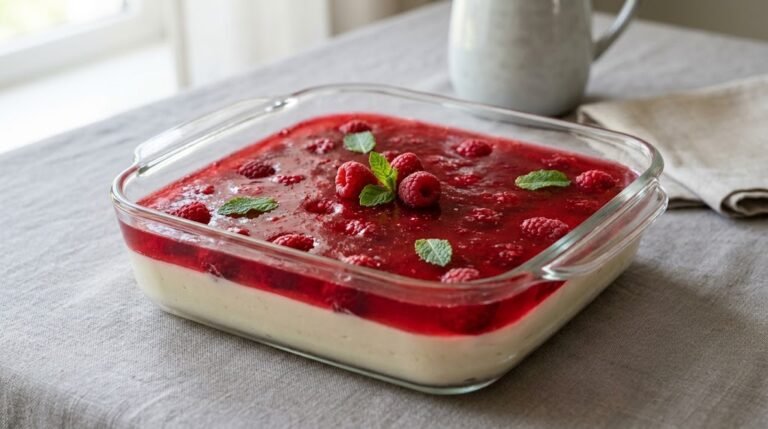
Bird’s Milk Jello with Creamy Mousse and Raspberry Jelly
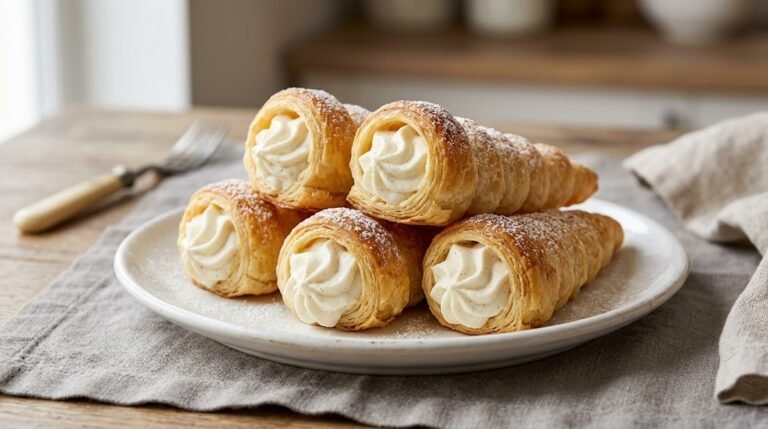
Cream Horn Trubochki with Vanilla Cream Filling
Spotted a detail that needs correcting? Contact the FeastDelights editors.