Vanilla Kefir Cupcakes with Optional Buttercream
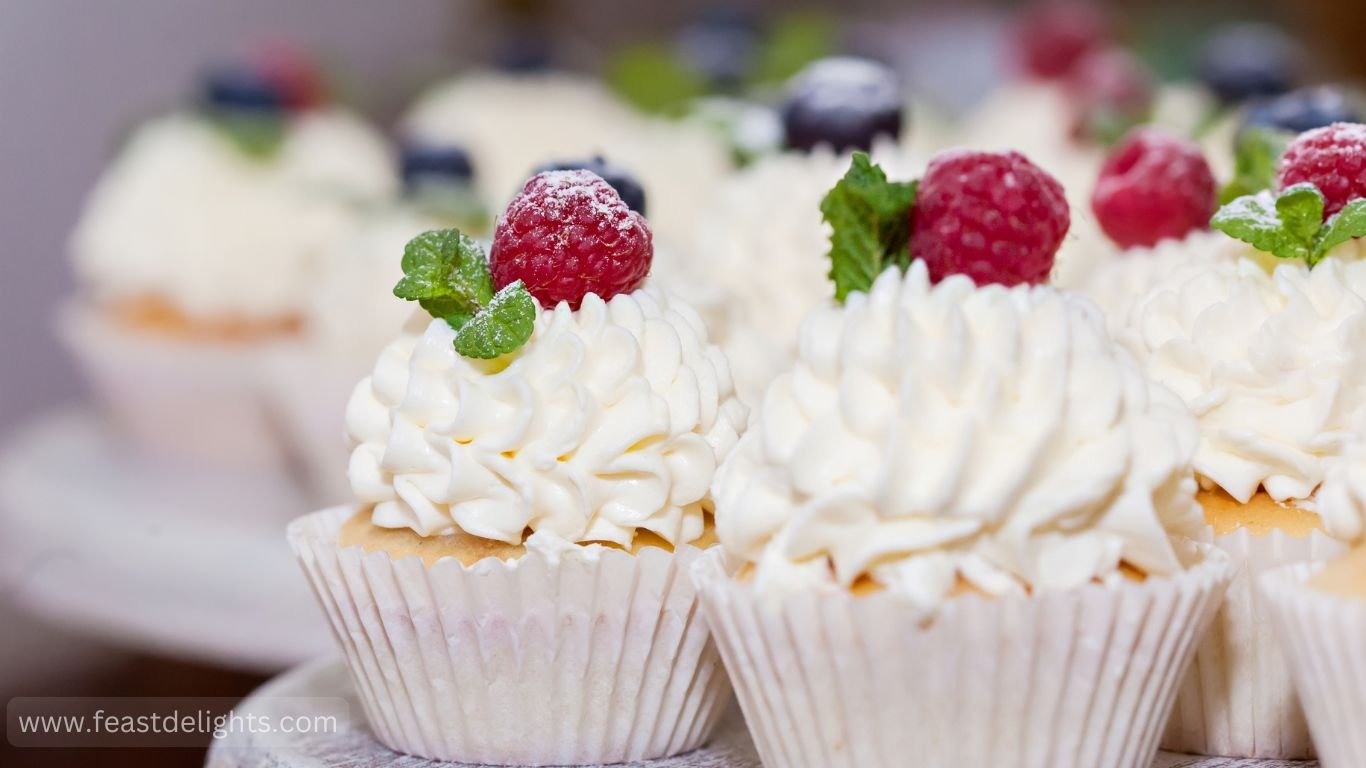
Plain kefir gives these vanilla cupcakes a tender, lightly tangy crumb, while neutral oil keeps the batter soft without needing to cream butter. Whisk the wet ingredients, fold in flour and baking powder, and divide among twelve paper cases. Bake until the tops spring back and a skewer shows no wet batter. The cakes are pleasant plain or topped with optional buttercream once completely cooled. Allow about 45 minutes for mixing, baking and the initial cooling period, plus further cooling before frosting.
Vanilla kefir cupcakes are individual oil-based cakes with a soft crumb and a subtle cultured-milk tang. This recipe uses 250 ml kefir, two eggs and 250 g flour to make twelve cupcakes. The buttercream is optional and is a prepared topping, not a separate frosting formula. Mix the batter shortly before baking and cool the cakes fully before decorating.
What kefir contributes
Kefir is a cultured milk drink with a gently sour flavour and a pourable consistency. Use plain unsweetened dairy kefir rather than a flavoured drink. The acid and milk solids contribute to the cake’s flavour, while the oil provides tenderness without creaming. Baking powder is the raising agent in this recipe; do not exchange it spoon for spoon with baking soda. Neutral oil should have a mild flavour so vanilla remains noticeable.
Equipment and timing
12-cup muffin tin; paper cases; kitchen scale; measuring jug; two mixing bowls; whisk; spatula; scoop; skewer; wire rack. Allow 15 minutes for preparation and up to 22 minutes for cooking, plus 5 minutes initial resting.
Recipe card
Vanilla Kefir Cupcakes with Optional Buttercream
Bake 18–22 minutes; cool five minutes in the tin, then cool completely on a rack before optional frosting. Full cooling is additional.
Equipment: 12-cup muffin tin; paper cases; kitchen scale; measuring jug; two mixing bowls; whisk; spatula; scoop; skewer; wire rack
Ingredients
Batter
Optional topping
Instructions
Prepare the muffin tin
Preheat a conventional oven to 180°C (350°F). Line a standard 12-cup muffin tin with paper cases.
Whisk the wet ingredients
Whisk kefir, sugar, eggs, oil and vanilla in a mixing bowl until evenly combined. Use plain unsweetened kefir and avoid leaving eggs or dairy out for extended periods.
Fold in the dry ingredients
Whisk flour, baking powder and salt separately. Add to wet ingredients and fold gently until no dry streaks remain. Avoid beating the finished batter.
Fill the paper cases
Divide the batter evenly among twelve cases, approximately two-thirds full. Use a scoop or two spoons and avoid overfilling.
Bake until set
Bake on the middle rack for 18–22 minutes. The tops should rise and spring back lightly, and a skewer inserted in the centre should show no wet batter. Add a few minutes if necessary.
Cool and decorate
Cool for five minutes in the tin, then transfer carefully to a rack. Allow to cool completely before spreading or piping the optional prepared buttercream. Follow its storage instructions.
Mixing the batter
Whisk the wet ingredients until the eggs are evenly dispersed and the oil no longer sits in large separate pools. Mix baking powder into the flour first so it is spread evenly. Fold the two mixtures together just until no dry pockets remain. Small lumps can be harmless; vigorous mixing after flour is added can make the cakes tougher. Do not taste uncooked batter: raw flour and eggs can carry harmful microorganisms. See FDA flour safety guidance.
Even cupcakes and doneness
Use a standard muffin tin with twelve cases rather than mini or jumbo cups, since a different size changes baking time. Distribute the batter as evenly as possible and leave room for it to rise. Start checking near 18 minutes without repeatedly opening the oven door. A skewer from the middle of a cupcake should not carry liquid batter. If the tops darken while the centres remain wet, check oven calibration and rack position rather than increasing temperature.
Troubleshooting
A tough crumb often comes from excess flour or prolonged mixing. Weigh the flour rather than compressing it into a cup. Overflowing cases suggest that the cups were too full or too small. A sunken centre may indicate underbaking; check several cakes before removing the tin. Buttercream sliding off the top usually means the cupcakes were still warm. Let them cool completely on a rack before decorating.
Serving and variations
The cupcakes can be served without frosting with tea or coffee. The measured 200 g prepared buttercream is optional and gives enough for a modest topping rather than very tall swirls. For different individual cakes, try vanilla sour cream cupcakes, or for a larger loaf-style bake see vanilla kefir pound cake. A little lemon zest is an optional flavour variation. The base contains wheat, milk and egg. Check the buttercream for additional allergens and do not assume all frostings can be held at room temperature.
Storage and make ahead
Keep completely cooled plain cupcakes in an airtight container at a cool room temperature for up to two days. Refrigerate cupcakes with an unverified or perishable frosting within two hours at 4°C (40°F) or colder; use within three days or sooner if the frosting label specifies. Freeze unfrosted cakes for up to two months for best quality and thaw before decorating.
Enjoy the cupcakes plain or decorate them after cooling. Accurate flour measurement and gentle mixing are the simplest ways to keep the crumb tender.
Frequently asked questions
Can I use sweetened kefir?
Plain unsweetened kefir is preferred because flavoured versions change the sweetness and possibly the batter consistency.
Do I need a mixer?
No. A whisk and spatula are sufficient for this oil-based batter.
Why are the cupcakes dense?
Too much flour, overmixing or old baking powder can limit the rise.
Can I bake without paper cases?
Use a well-greased standard muffin tin if its surface allows easy release.
Is buttercream required?
No. The cupcakes are complete without it. Use prepared buttercream only if desired.
Can I frost warm cupcakes?
No. Cool them completely so the frosting does not melt.
Can I freeze them?
Freeze unfrosted cooled cakes in airtight packaging, then thaw before decorating.
More recipes to try






Spotted a detail that needs correcting? Contact the FeastDelights editors.