Quick Vanilla Cupcakes with Melted Butter
These quick vanilla cupcakes use melted butter rather than creaming softened butter with sugar, so the batter comes together with a whisk and two bowls. Milk, eggs and vanilla sugar give the little cakes a gently sweet flavour. The original formula makes twelve cupcakes in a standard muffin tin, with about 15 minutes of preparation and 20–25 minutes of baking. Cool them completely before adding frosting or packing them into a container. Serve plain with tea or dress them up with a swirl of buttercream.
Quick vanilla cupcakes with melted butter are a simple two-bowl bake. They use flour, sugar, eggs, milk and vanilla sugar and make twelve standard cupcakes. Unlike a creamed-butter cupcake, this batter requires no mixer. Allow about 40 minutes for preparation and baking, followed by cooling.
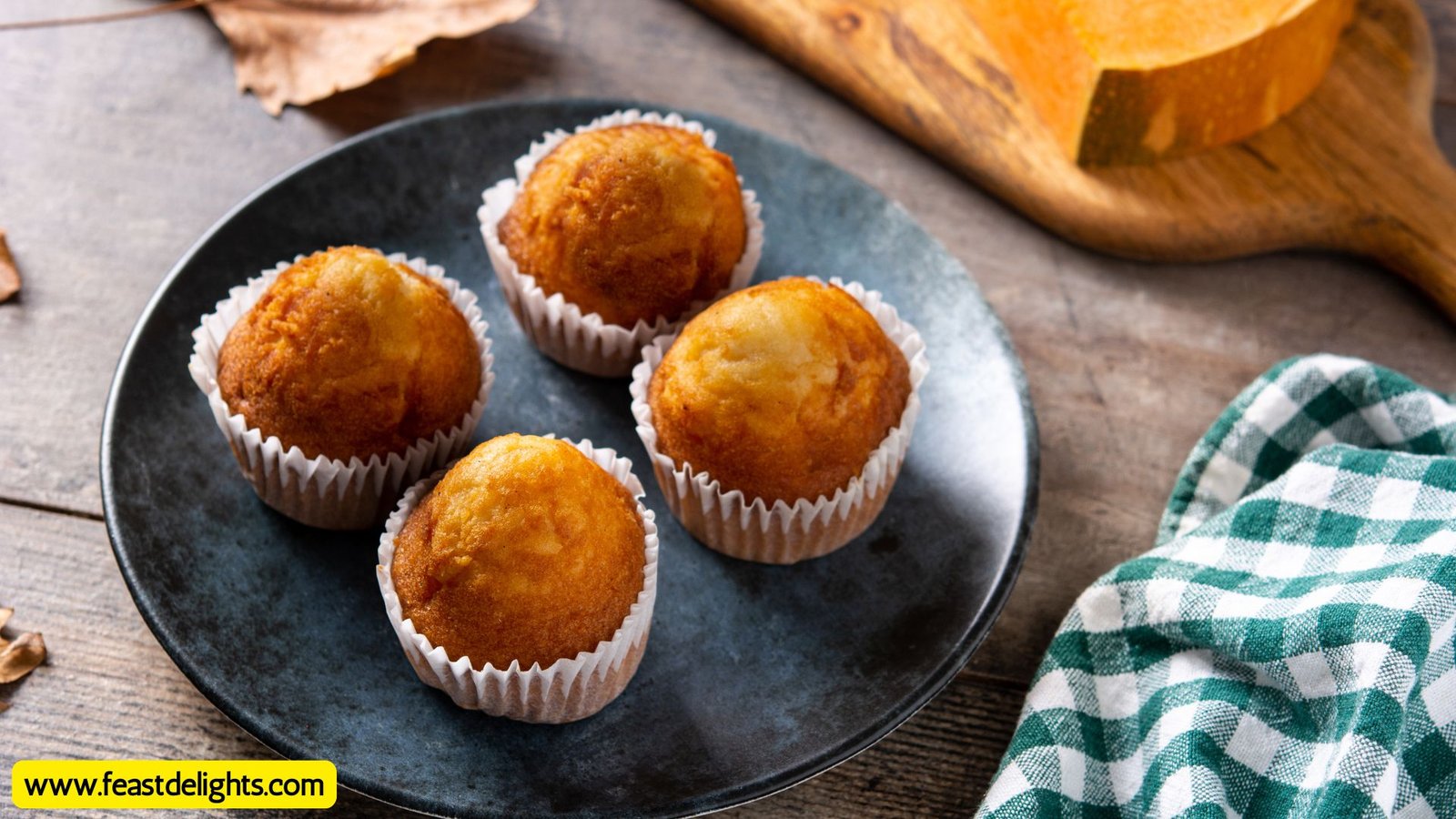
Recipe card
Quick Vanilla Cupcakes with Melted Butter
Bake 20–25 minutes; allow at least 30 minutes for cooling, longer if frosting. Actual cooling depends on room temperature.
Equipment: Digital scale, two mixing bowls, whisk, flexible spatula, standard 12-cup muffin tin, paper liners, skewer and wire rack
Ingredients
Dry ingredients
Wet ingredients
Dry ingredients
Wet ingredients
Instructions
Preheat and line the tin
Preheat a conventional oven to 180°C (350°F). Line a standard 12-cup muffin tin with paper cases and position a rack near the middle.
Combine dry ingredients
Whisk the flour, baking powder and salt in a bowl to distribute the raising agent evenly. Break up any lumps.
Whisk wet ingredients
Whisk the eggs, sugar and vanilla sugar until evenly combined. Stir in milk and the melted, slightly cooled butter. If the milk is very cold, the butter may solidify in small flecks; use ingredients at a similar temperature.
Fold and divide the batter
Pour the wet mixture into the dry ingredients and fold gently until no dry pockets remain. Do not beat repeatedly. Divide evenly among the paper cases, filling about two-thirds full. If the cups are small, bake excess batter separately rather than overfilling.
Bake and cool
Bake for 20–25 minutes until the tops spring back gently and a skewer inserted in the centre comes out without wet batter. Leave in the tin for a few minutes, then transfer to a rack and cool completely, at least 30 minutes, before frosting.
Ingredients for the melted-butter method
All-purpose flour provides structure. Weigh it instead of scooping a tightly packed cup. Baking powder supplies the rise, so check its freshness and distribute it evenly. The original recipe uses one teaspoon for 250 g flour; the amount is retained, and the exact rise and crumb need a kitchen test. Melt butter gently and let it cool slightly so it does not scramble the eggs. Milk gives the batter its liquid, while vanilla sugar adds a mild aroma.
Whisk eggs with sugar before adding the milk and butter. Using ingredients at a similar temperature helps keep the melted butter from setting into large pieces. Once you add the flour, fold gently with a flexible spatula and stop when no dry patches remain. This method is more like a simple muffin-style mix than a conventional creamed cake.
Even portions and a fully baked centre
Line a standard muffin tin and distribute the batter evenly, aiming for about two-thirds full. If your tin is smaller, use an extra case instead of filling cups to the rim. Preheat the oven before mixing so the batter can go straight in. Start checking at 20 minutes. The tops should spring back when touched gently, and a skewer inserted in the middle should not carry wet batter. Bake for a few minutes more if necessary.
Let the cakes stand briefly in the tin, then move to a rack. Leaving them in a hot tin for too long traps steam around the bases. Cool fully before frosting or wrapping. A warm cupcake is more fragile and can stick to the paper.
Troubleshooting
Dense cakes: check flour measurement, baking powder and mixing. Uneven tops: portion the batter equally and avoid overfilling. Wet centres: check actual oven temperature and test again after a few more minutes. Dry cakes: avoid adding extra flour and remove the batch as soon as the centre is cooked. Do not judge doneness only from browning.
Serving and variations
Serve plain with tea or add a little orange zest or approximately 50 g chocolate chips to the batter. For frosting, try vanilla buttercream or chocolate cream cheese frosting. If you prefer the traditional creaming technique and a different formula, see our soft vanilla cupcakes with milk and softened butter. The two versions use different amounts of milk, sugar and raising agent.
Storage and safety
Cool plain cakes completely and keep airtight in a cool, dry place for up to two days, or freeze wrapped for up to two months for best quality. Thaw wrapped at room temperature. Follow the storage directions for any perishable frosting and refrigerate it as required. Contains wheat, milk and eggs. Avoid tasting raw batter, following FDA flour safety guidance.
Frequently asked questions
Do I need an electric mixer?
No. The melted-butter method only requires a whisk and spatula; there is no creaming step.
Why are my cupcakes dense?
Too much flour, old baking powder or overmixing may limit lift. Weigh the flour and fold only until combined. The original one-teaspoon leavener amount is retained; the precise rise needs kitchen confirmation.
Can I use vanilla extract instead of vanilla sugar?
A little vanilla extract is a reasonable substitute for the aroma; add it with the wet ingredients. The small difference in sugar is unlikely to be important.
Why have my cupcakes stuck to their liners?
Let them cool fully before peeling the paper. Use good-quality liners and avoid removing them while the crumb is warm and fragile.
Can I add chocolate chips?
Yes, the original suggested about 50 g. Fold in at the end and divide batter evenly. This may affect the finished yield slightly.
Can I frost the cupcakes while warm?
Wait until completely cool, otherwise butter-based frosting can melt and slide off.
More recipes to try

Cream Cheese Chocolate Truffles Rolled in Cocoa

Cream Cheese Cheesecake Danish with Lemon and Vanilla

Fresh Fruit Salad with Orange Honey Dressing

Ptichye Moloko Bird’s Milk Mousse with Chocolate Glaze
Bird’s Milk Jello with Creamy Mousse and Raspberry Jelly
Cream Horn Trubochki with Vanilla Cream Filling
Spotted a detail that needs correcting? Contact the FeastDelights editors.