Chewy Oat Flapjacks with Butter and Honey
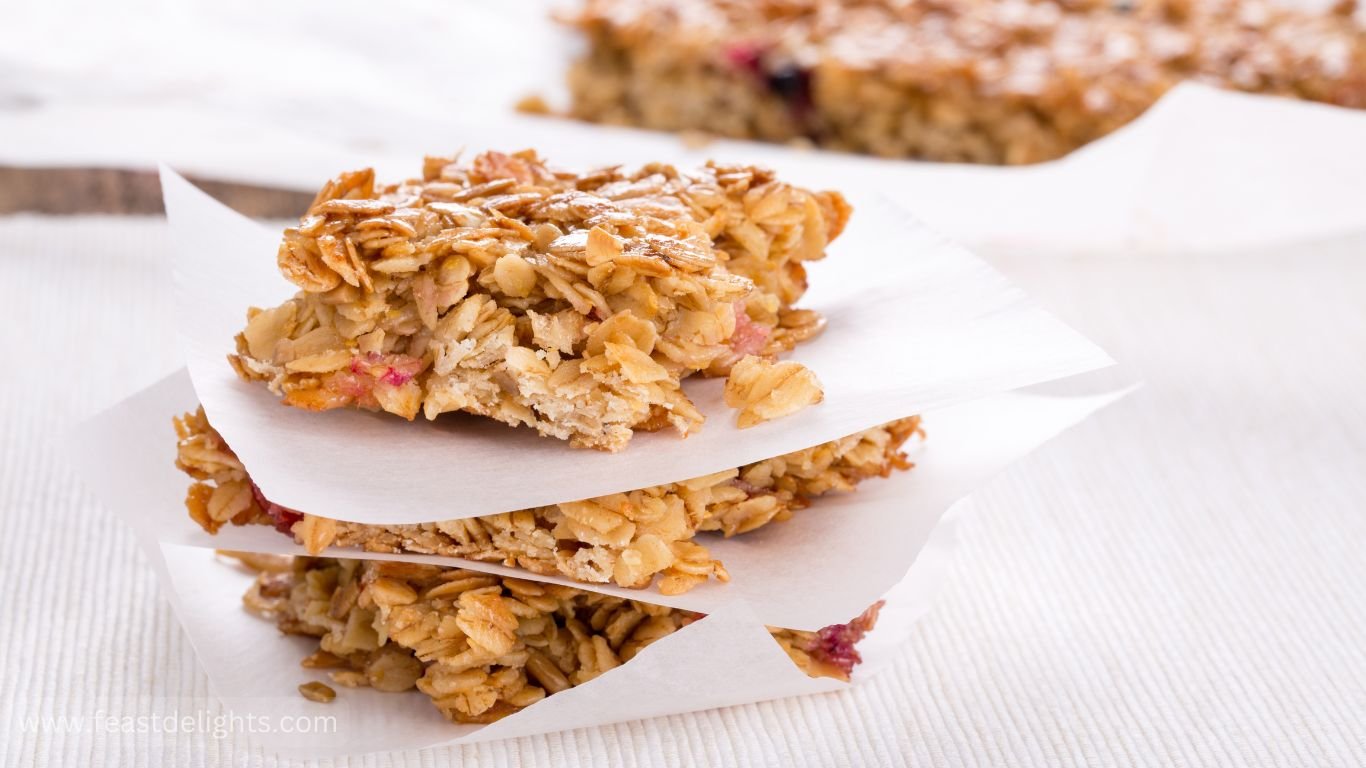
These British-style oat flapjacks are chewy baked bars made with rolled oats, melted butter, honey or golden syrup and light brown sugar. A small amount of vanilla and salt balances the sweetness. Press the mixture firmly into a lined square tin so the oats bind together, then bake until the edges turn golden. Unlike American flapjacks, these are oat bars rather than pancakes. The recipe makes 12 bars, with 15 minutes of preparation, up to 22 minutes baking and time to cool completely.
Chewy oat flapjacks are British-style baked oat bars with a buttery flavour, golden edges and a compact, tender-chewy middle. They are not American-style pancakes. This version makes 12 bars in a 20 cm (8-inch) square tin using rolled oats, butter, honey or golden syrup, light brown sugar, vanilla and salt. Allow 15 minutes preparation, up to 22 minutes baking and about an hour to cool.
Why rolled oats and syrup matter
Rolled oats provide the familiar flake texture. Steel-cut oats are not a direct substitute because they stay much firmer during a short bake. Butter coats the flakes, while the honey or golden syrup and brown sugar form the binder that holds the slab together. Choose either syrup at the measured weight. Do not reduce the sweetener or fat without testing, because both influence how firmly the bars set.
If you prefer an oat bar that sets in the refrigerator instead of the oven, try our no-bake oat granola bars, which use a different binder and chilling method.
How to make chewy oat flapjacks
Warm the butter and sweeteners over low heat just until melted, then mix in the oats thoroughly. The mixture should look evenly coated with no dry patches. Pack it tightly into the lined tin, smoothing the surface. Bake until the edges colour lightly; the centre need not feel hard at this point. Let the slab firm as it cools.
Recipe card
Chewy Oat Flapjacks with Butter and Honey
Bake 18–22 minutes, then cool approximately 60 minutes or until the slab is completely firm and cool; allow longer if needed.
Equipment: Kitchen scale, 20 cm (8-inch) square metal baking pan, parchment, saucepan, wooden spoon or spatula, mixing bowl if needed, wire rack and sharp knife.
Ingredients
Flapjack mixture
Instructions
Prepare the tin
Preheat a conventional oven to 180°C (350°F). Line a 20 cm (8-inch) square metal tin with parchment, leaving an overhang for lifting.
Melt the butter and sweeteners
Combine butter, honey or golden syrup, and brown sugar in a saucepan. Warm over low heat, stirring until the butter melts and the sugar is mostly dissolved. Do not boil vigorously. Remove from the heat and stir in vanilla and salt.
Coat the rolled oats
Add the oats to the warm mixture and stir until all flakes are evenly coated. Scrape the bottom of the pan to distribute the binder.
Press firmly into the tin
Transfer the mixture to the lined tin and press firmly into a uniform layer, using the back of a spoon or spatula. Pay particular attention to the corners and edges.
Bake until lightly golden
Bake for 18–22 minutes on the middle rack. The edges should be golden and the middle should look set but may still feel soft. Avoid baking until dark and hard, because the bars firm as they cool.
Cool and slice
Cool completely in the tin on a rack, allowing about an hour or longer if needed. Lift with the parchment and cut into 12 bars using a sharp knife. If the slab is difficult to slice, let it rest longer or briefly chill it.
Troubleshooting the texture
Bars fall apart: Check the binder measurements and make sure the oats are coated evenly. Press the mixture firmly into the tin and cool fully before slicing.
Hard or brittle bars: Boiling the sweetener mixture or overbaking can lead to a harder result. Keep the saucepan heat low and check the oven at 18 minutes.
Uneven edges: Use the specified square tin and spread the mixture to a uniform thickness. A much larger tin creates thinner bars that may bake faster.
Serving ideas and related bakes
Serve the bars with tea, coffee or a bowl of yoghurt and berries. For a layered oat dessert, see our date squares with oat crumble. Our oatmeal raisin cookies offer a different chewy texture. Adding a large quantity of nuts or dried fruit can disrupt the binder, so test such changes separately.
Storage and allergens
Cool completely before sealing the bars to prevent trapped condensation. Store plain bars in an airtight container or freeze portions. The recipe contains milk; oats can be cross-contaminated with gluten-containing grains. For a gluten-free adaptation, use certified gluten-free oats and check all other ingredients. Honey-containing bars are not suitable for infants under 12 months; see CDC botulism prevention guidance.
Frequently asked questions
Are British flapjacks pancakes?
No. In this recipe, flapjacks are baked oat bars bound with butter and syrup or honey. In American English, flapjack can mean a pancake.
Which oats work best?
Use rolled oats. Steel-cut oats remain much firmer, and very fine instant oats can change the texture and absorption.
Why do my flapjacks crumble?
Uneven coating, loose packing or cutting before the slab cools can cause crumbling. Press firmly and wait until cool.
Can I use golden syrup instead of honey?
Yes. The original formula allows either at the same weight. Golden syrup gives a different flavour and may change the firmness slightly.
Why are the bars too hard?
Excessive baking or boiling the binder can make the bars harder. Bake until lightly golden and let them set as they cool.
Can I make these dairy-free or vegan?
A firm plant-based baking block and golden syrup can be used as an adaptation; both changes may affect binding and need kitchen testing. Check labels and cross-contact.
More recipes to try

Cream Cheese Chocolate Truffles Rolled in Cocoa

Cream Cheese Cheesecake Danish with Lemon and Vanilla

Fresh Fruit Salad with Orange Honey Dressing

Ptichye Moloko Bird’s Milk Mousse with Chocolate Glaze
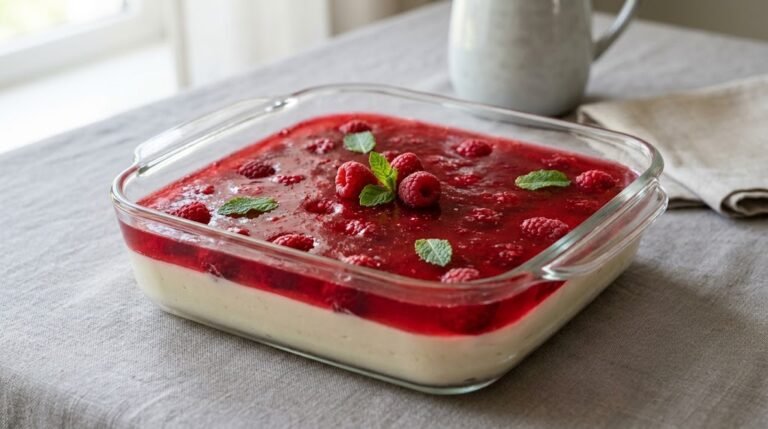
Bird’s Milk Jello with Creamy Mousse and Raspberry Jelly
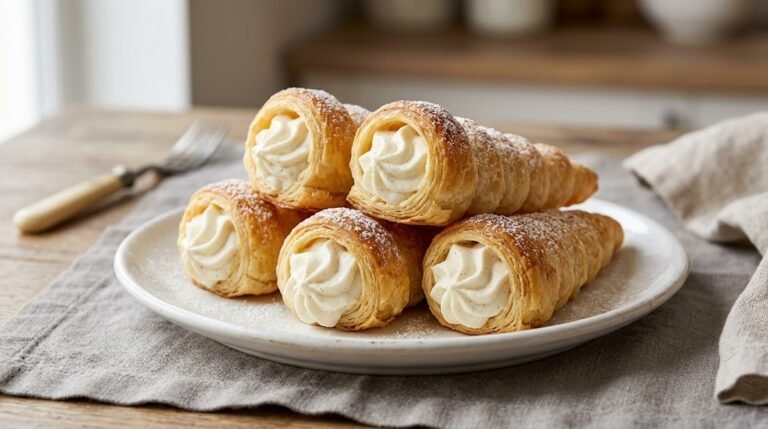
Cream Horn Trubochki with Vanilla Cream Filling
Spotted a detail that needs correcting? Contact the FeastDelights editors.