Vanilla Butter Shortbread Cookies Without Eggs
These vanilla butter shortbread cookies have crisp edges and a delicate, sandy centre that melts as you bite. The rich dough contains butter, fine sugar, flour and vanilla, with no egg or raising agent. Chilling the dough before rolling helps the cut-out shapes keep their outlines in the oven. The recipe makes about 28 cookies, depending on cutter size, and takes about 82 minutes including the first chill. Finish with a light dusting of icing sugar if you like.
Vanilla butter shortbread cookies are rich, crisp-edged biscuits made without eggs or baking powder. This version makes about 28 cookies from chilled dough rolled to 7 mm (just over 1/4 inch). Allow about 82 minutes including the first chill and one tray’s baking time, plus cooling.
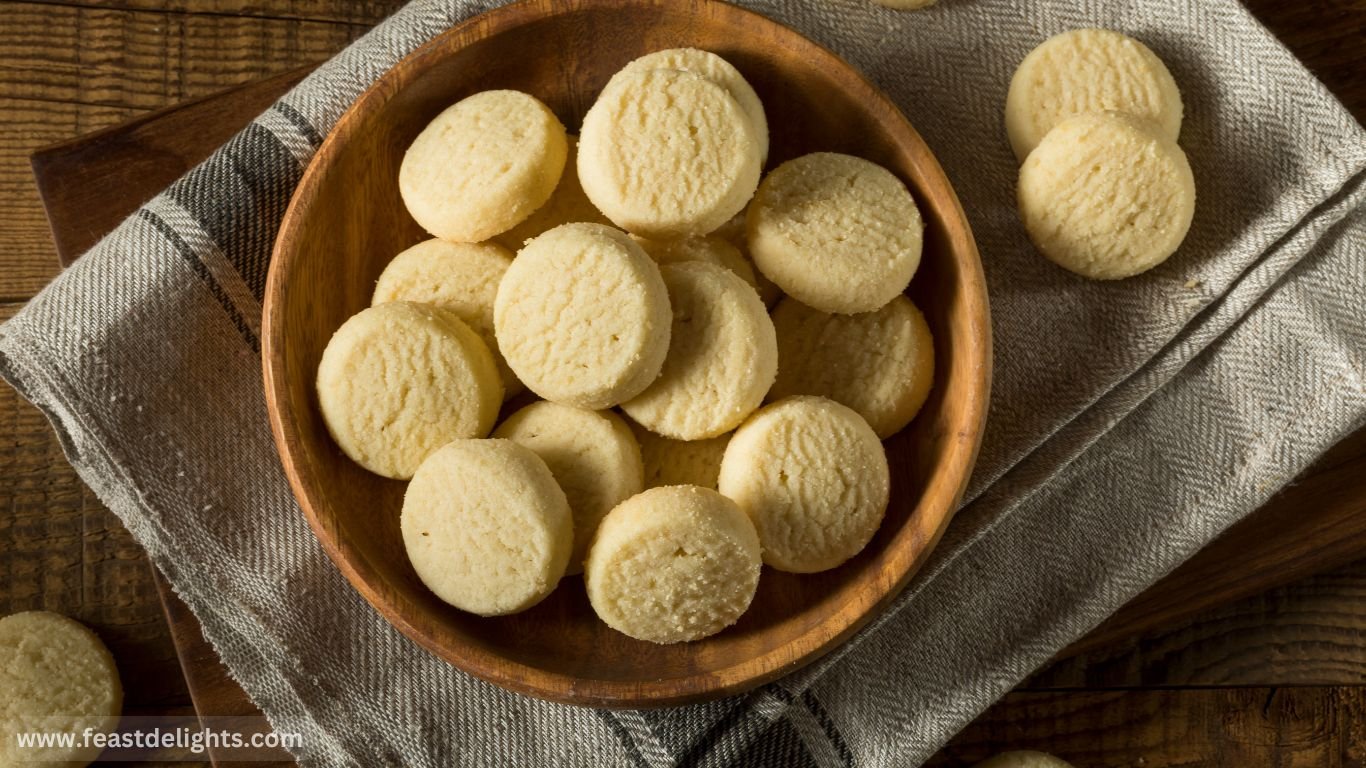
Recipe card
Vanilla Butter Shortbread Cookies Without Eggs
20 minutes prep + 45 minutes chilling + 17 minutes baking = 82 minutes. Cooling and additional trays take extra time.
Equipment: Kitchen scale, mixing bowl, spatula or hand mixer, rolling pin, 4–5 cm cookie cutters, parchment, baking trays and cooling rack.
Ingredients
Dough
Finishing
Instructions
Mix butter and sugar
Beat cool softened butter with fine sugar and vanilla sugar just until evenly combined, not fluffy.
Form and chill the dough
Mix in the flour and salt until no dry patches remain. Press into a disc, wrap and refrigerate 45 minutes.
Roll and cut the cookies
Preheat a conventional oven to 170°C (340°F). Roll between parchment to 7 mm (just over 1/4 inch) thick and cut small shapes.
Bake until pale golden
Place on lined baking trays with space between cookies. Bake 13–17 minutes per tray until the edges are pale gold and the centres look set.
17 minCool before dusting
Rest on the trays for 5 minutes, then transfer carefully to a rack. Dust with optional icing sugar only after completely cooled.
What makes this shortbread different?
The generous butter content gives a delicate, crumbly texture. Unlike an egg-based cut-out cookie, the dough contains no egg to bind it and no chemical leavener to puff it up. It is an adapted vanilla shortbread rather than a claim to the classic Scottish ingredient ratio. Avoid adding extra flour simply because the dough is soft.
Choosing and measuring ingredients
Use 250 g (about 1 US cup plus 1 tablespoon) of butter, preferably unsalted so you can control the salt. It should yield to gentle pressure but not look oily. Fine or caster sugar dissolves more readily than coarse crystals; 150 g is roughly 3/4 US cup. Weigh the 300 g of plain flour if possible, since measuring by cups can compact it. Vanilla sugar gives a mild vanilla aroma. If unavailable, use about 1 teaspoon vanilla extract and keep the main sugar quantity unchanged. Icing sugar (powdered sugar) is optional and goes on after cooling.
Keeping the cut-out shapes neat
Mix the softened butter and sugars just until uniform; whipping in lots of air encourages an uneven shape. Stir in the flour and salt until no dry pockets remain. Press the dough together rather than kneading it like bread. Flatten into a disc before chilling so the centre cools evenly. Roll between two sheets of parchment to avoid adding unnecessary flour. If the dough cracks, allow it to soften for a few minutes. If it feels sticky or greasy, return it to the fridge briefly.
Choose simple cutters about 4–5 cm wide, since thin decorative points can brown before the centre is ready. Transfer shapes to lined trays with a thin spatula and leave space between them. Re-roll scraps gently and chill them if they become warm. Bake at 170°C (340°F) until the edges are pale golden and the surfaces look set. Do not wait for deep browning. Leave the cookies on the tray for five minutes before moving them to a rack; hot shortbread breaks easily.
Troubleshooting
Cookies spread: check that the butter was cool, not melted, and chill the shaped cookies until firm before baking. Dough will not hold together: press a small portion in your hand; if it binds, keep pressing rather than adding liquid. Let a very cold dough soften slightly. Cookies feel hard: avoid extra flour and prolonged baking. Check the first tray early because small shapes bake more quickly than large ones.
Serving ideas and variations
Serve plain with tea or coffee, or alongside fresh fruit. Add finely grated lemon zest to the butter mixture for a citrus aroma. For another style of butter cookie, try these marbled vanilla and cocoa cookies or Baku-style jam butter cookies. If you enjoy shortbread as a base for desserts, try lemon bars with buttery shortbread.
Make ahead, storage and allergens
Wrap the dough disc and refrigerate overnight if needed; allow it to become pliable enough to roll before cutting. For longer storage, freeze the baked cookies and thaw before dusting with icing sugar. Keep moist toppings separate to preserve the crisp texture. This recipe contains wheat and milk. It has no added egg, but check packaged ingredients and shared equipment if avoiding allergens. Do not taste uncooked dough: raw flour can carry harmful bacteria. Wash utensils and work surfaces after preparing it.
Frequently asked questions
Why are there no eggs in these cookies?
Butter binds the flour and sugar in this style of shortbread. Adding egg would change the texture and spreading behaviour.
Can I use a knife instead of cookie cutters?
Yes. Roll the dough evenly and cut small rectangles or squares. Keep the thickness consistent.
Can I replace vanilla sugar?
Use about 1 teaspoon vanilla extract in the butter mixture and keep the main sugar quantity unchanged.
Can I bake two trays together?
If your oven heats evenly, you can, but check both trays individually. Baking one tray at a time gives more predictable browning.
Why should I wait before moving the cookies?
The butter-rich dough is fragile when hot. A few minutes on the tray lets the cookies firm enough to lift safely.
More recipes to try

Cream Cheese Chocolate Truffles Rolled in Cocoa

Cream Cheese Cheesecake Danish with Lemon and Vanilla

Fresh Fruit Salad with Orange Honey Dressing

Ptichye Moloko Bird’s Milk Mousse with Chocolate Glaze
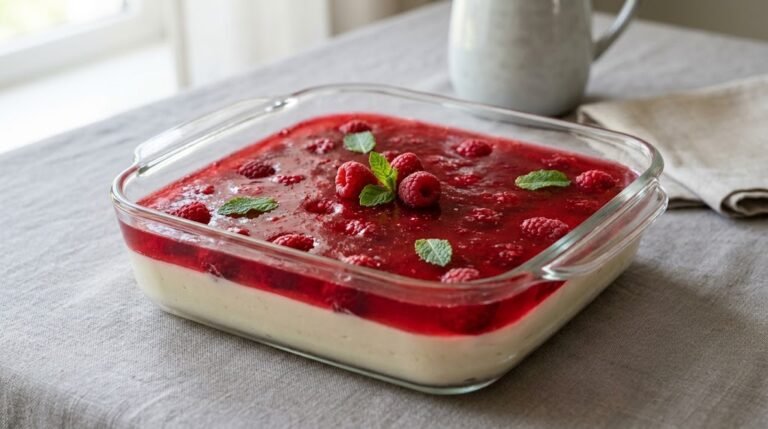
Bird’s Milk Jello with Creamy Mousse and Raspberry Jelly
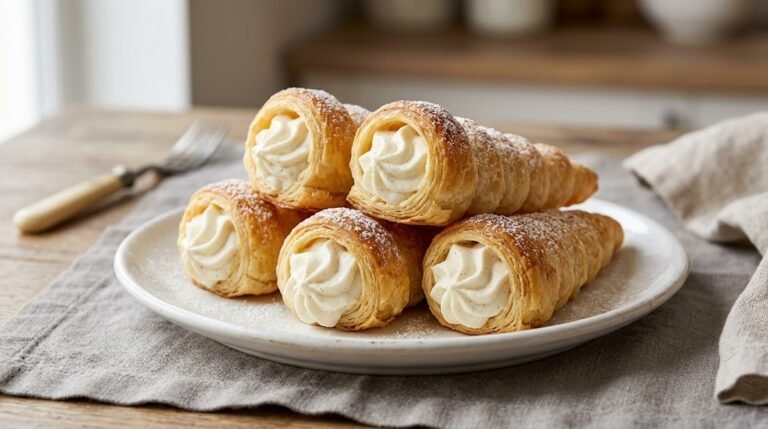
Cream Horn Trubochki with Vanilla Cream Filling
Spotted a detail that needs correcting? Contact the FeastDelights editors.