Baked Cottage Cheese Cheesecake
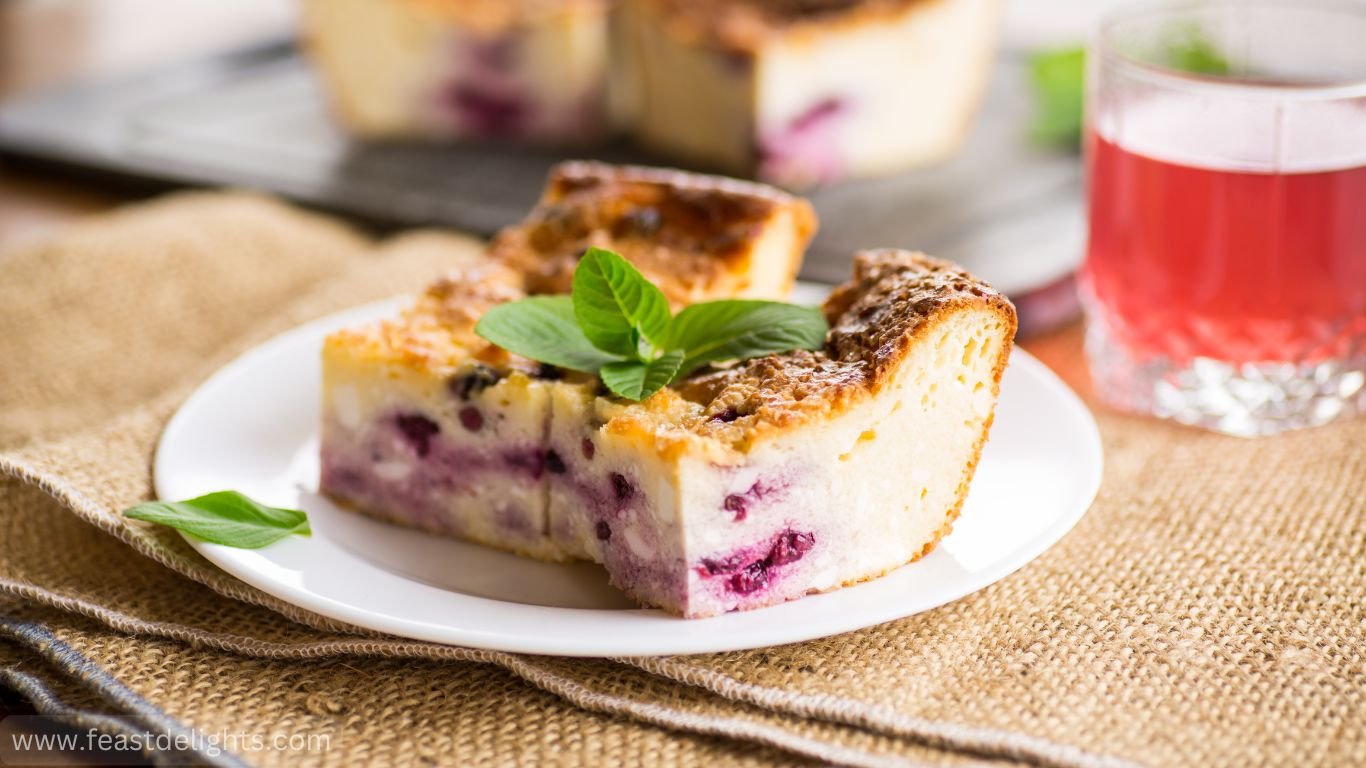
Baked cottage cheese cheesecake has a buttery biscuit base and a smooth, gently tangy vanilla filling made with drained cottage cheese, eggs and cream. Blending the cheese before adding the eggs helps eliminate graininess without whipping excess air into the mixture. A 23 cm (9-inch) springform tin makes ten slices. Allow about 25 minutes of preparation, 75 minutes of baking including the base, and at least four hours of refrigeration after cooling. Serve chilled with berries or fruit compote.
Baked cottage cheese cheesecake is a gently tangy dessert with a smooth vanilla filling and a buttery crumb base. It differs from a conventional cream cheese cheesecake by using blended cottage cheese or farmer cheese. This recipe makes ten slices in a 23 cm springform pan. Allow about six hours and 40 minutes overall, including baking, cooling and four hours of chilling.
Recipe card
Baked Cottage Cheese Cheesecake
About 75 minutes baking including the base, 30 minutes in the switched-off oven, about 30 minutes on a rack and at least four hours refrigerated. Total is approximately six hours 40 minutes; actual baking varies.
Equipment: 23 cm (9-inch) springform pan, parchment, rimmed tray, blender or food processor, mixing bowl, spatula, kitchen scale, thermometer and wire rack
Ingredients
Biscuit crust
Cheese filling
Instructions
Bake the biscuit base
Preheat the oven to 160°C (320°F). Line the base of a 23 cm (9-inch) springform pan with parchment. Combine crushed biscuits with melted butter and press into an even layer across the base. Bake for ten minutes, then cool slightly.
Blend the drained cheese
Blend the drained cottage cheese or farmer cheese until smooth. Add sugar, vanilla sugar or vanilla extract, cornstarch and salt; blend until evenly combined.
Mix eggs and cream gently
Mix in the eggs one at a time at low speed, scraping the bowl as needed. Stir in the unwhipped cream just until evenly incorporated.
Fill the prepared pan
Pour the filling onto the crust and smooth the surface. Place the springform pan on a rimmed baking tray to catch any leaks.
Bake gently and begin cooling
Bake for 55–65 minutes until the edges are set and the middle jiggles slightly as a single mass, not as liquid. Check the egg-containing filling reaches 71°C (160°F) in the centre. Turn off the oven and leave the door ajar for 30 minutes.
Cool, refrigerate and slice
Transfer to a wire rack for about 30 minutes, then refrigerate promptly, even if slightly warm, so it is chilled within two hours of baking. Refrigerate for at least four hours until firm. Release the pan and slice with a clean knife.
Choose the cheese and prepare the crust
Full-fat cottage cheese is a good starting point because it provides moisture as well as milk solids. If the curds are sitting in a pool of liquid, drain them before weighing the 500 g portion. Farmer cheese can be drier; blend it with some of the measured cream if necessary. The filling should be smooth before eggs are added. Do not assume every brand of cottage cheese has the same water content.
Crush digestive biscuits or graham crackers finely. Stir in melted butter until the crumbs are evenly moistened and press them firmly across the lined pan base. Baking the crust for ten minutes helps it hold together when the filling is added. Let it cool slightly while preparing the filling.
Make a smooth filling without excess air
Blend the cheese with sugar, vanilla and cornstarch until no large curds remain. Cornstarch helps the egg-and-dairy mixture set. Add eggs at low speed, then stir in the cream without whipping it. Mixing vigorously after eggs are added incorporates air, which can expand in the oven and contribute to cracks.
Pour into the specified springform pan and set it on a rimmed tray. A smaller pan makes the filling deeper and changes baking time. Keep the oven at 160°C (320°F); a hotter oven can overcook the edges before the centre is ready.
Check doneness and cool gradually
Begin checking the cake after 55 minutes of baking the filling. The edges should be set while the centre moves slightly as one mass when nudged, rather than sloshing. A food thermometer should register at least 71°C (160°F) in the egg-containing centre. If it is still liquid or below that temperature, continue baking and check again.
Switch off the oven, leave its door ajar for 30 minutes and then move the pan to a rack. Refrigerate promptly after a short rack cooling period rather than leaving the dairy dessert out for several hours. Chill for at least four hours before releasing the pan. The filling continues to firm as it cools.
Troubleshooting and variations
A grainy filling usually points to incomplete blending or very dry curds. A wet base may result from excess moisture in the cheese or uneven crumb packing. Cracks may arise from excess air, overbaking or abrupt temperature changes; fruit can cover a superficial crack. If the centre remains too soft after chilling, check the original measurements, drained cheese consistency and cooking temperature before changing the formula. The original proportions are retained and require kitchen review.
Add lemon zest for a brighter aroma or serve with berry purée. This recipe contains milk and eggs, and standard biscuits contain wheat. Gluten-free biscuits are an option if other ingredients and utensils are also suitable.
Serving and related desserts
Serve chilled with berries or a spoonful of compote. For a different preparation using similar cheese, see no-bake cottage cheese cheesecake. Compare New York cheesecake for a cream-cheese-style dessert, or baked raspberry cheesecake for a berry variation.
Make ahead and storage
Prepare the cheesecake the day before serving and keep it covered in the refrigerator. Chill it promptly within two hours after baking and use within four days. Freeze individually wrapped chilled slices if needed; thaw in the refrigerator rather than on the counter. Cut with a clean knife and wipe the blade between slices.
Frequently asked questions
Can I use farmer cheese?
Yes. Drain and blend it until smooth. If unusually dry, it may require more blending with some of the measured cream.
Why is the filling grainy?
Unblended curds can remain in the batter. Blend the cheese thoroughly before adding eggs.
Do I need a water bath?
This version uses a low oven temperature and gradual cooling rather than a water bath. Avoid overmixing and check the centre carefully.
Can I use a smaller pan?
A smaller pan produces a deeper filling that may need a longer bake. Use the specified 23 cm pan for the listed timing.
Why did my cheesecake crack?
Excess air, overbaking or sudden cooling may cause cracks. Mix gently and cool gradually. A crack alone does not mean the cake is spoiled.
Can I freeze cheesecake?
Yes. Chill until firm, wrap slices airtight and freeze for up to one month for best quality. Thaw in the refrigerator; the filling may become slightly grainier.
How can I make the crust gluten-free?
Use gluten-free biscuits and verify the other ingredients and equipment for cross-contact. The original crust contains wheat.
More recipes to try






Spotted a detail that needs correcting? Contact the FeastDelights editors.