No-Bake Cottage Cheese Cheesecake with Gelatin
This no-bake cottage cheese cheesecake has a buttery biscuit base beneath a smooth, lightly tangy filling of cottage cheese, sour cream and whipped cream. Powdered gelatin sets the filling without an oven, and fresh berries provide a bright finish. Drain the curds before weighing, blend until smooth and temper the dissolved gelatin before folding in the cream. A 23 cm (9 inch) springform tin makes ten slices. Prepare it the day before serving if possible, allowing at least six hours for the filling to set.
A chilled cottage cheese cake with a biscuit crust, rather than a baked curd cheesecake. The firmness depends on drained dairy and the strength of the gelatin. 10 slices. Allow approximately 425 minutes in total including chilling or cooling.
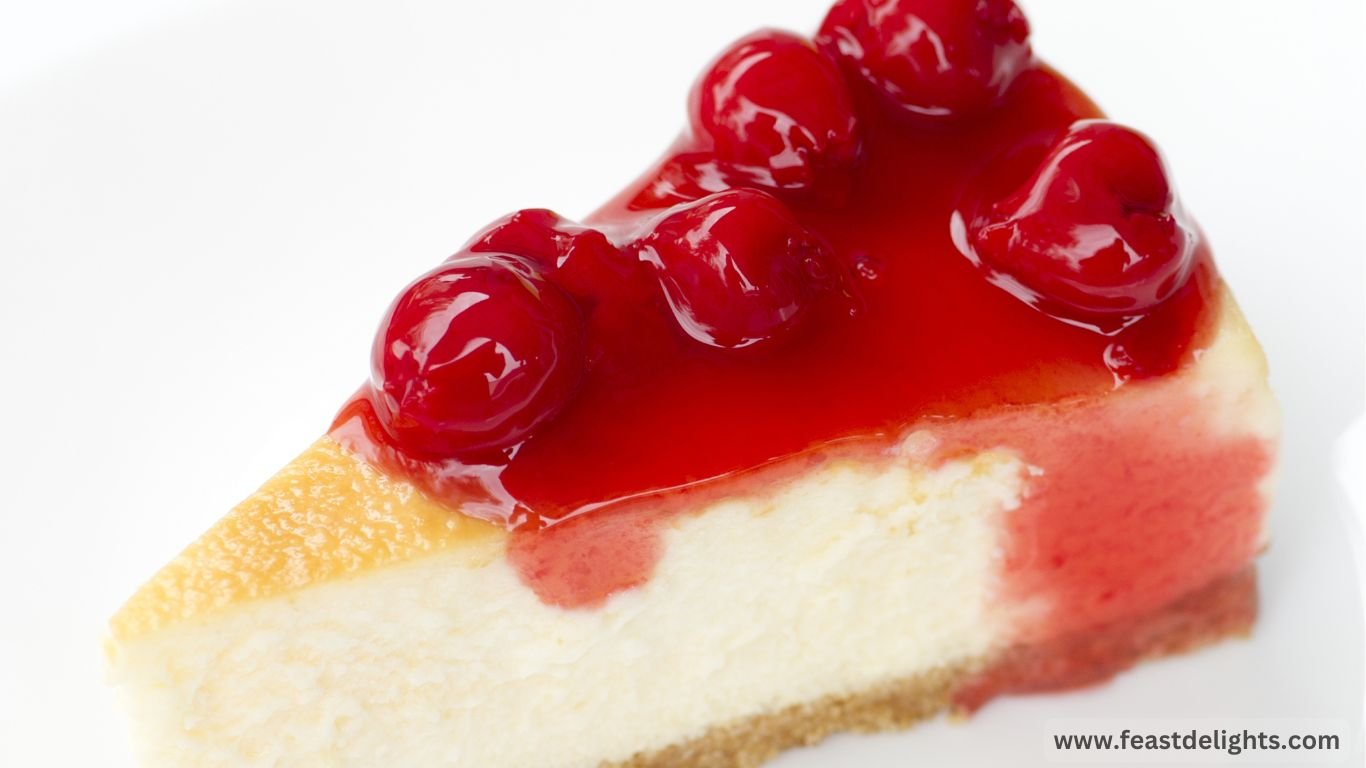
Recipe card
No-Bake Cottage Cheese Cheesecake with Gelatin
Chill the base 30 minutes and the filled cake at least 6 hours. Gelatin blooming can overlap base chilling. Allow longer if needed.
Equipment: 23 cm (9 inch) springform tin, parchment, scale, rolling pin or processor, blender, small saucepan, whisk, mixing bowls, spatula
Ingredients
Biscuit base
Filling
Gelatin mixture
Filling
Topping
Instructions
Press and chill the biscuit base
Line the base of the springform tin with parchment. Crush biscuits to fine, even crumbs and mix with melted butter until uniformly damp. Press firmly across the base with a flat-bottomed glass, without compacting excessively. Refrigerate for 30 minutes.
Bloom and dissolve the gelatin
Sprinkle the powdered gelatin evenly over 50 ml cold water and leave 10 minutes. Warm gently over low heat just until clear and dissolved, without boiling. Follow the packet instructions if its blooming directions differ.
Blend the cheese filling
Drain watery cottage cheese in a fine sieve, then weigh 500 g. Blend with sour cream, icing sugar, vanilla sugar and lemon juice until no coarse curds remain. Scrape down the blender as needed.
Temper the gelatin and fold in cream
Whip cold whipping cream to soft peaks. Add several spoonfuls of the cheese mixture gradually to the warm dissolved gelatin, stirring until smooth. Stir this tempered mixture into the remaining cheese filling. Fold in whipped cream gently until no streaks remain; work promptly before gelatin starts setting.
Fill, set and decorate
Spread over the chilled crust, smooth the surface and cover without touching the filling. Refrigerate at least 6 hours until the centre holds its shape. Run a thin knife around the edge before opening the ring. Add dry fresh berries just before slicing.
Choose the dairy and biscuit base
Cottage cheese varies substantially in curd size and moisture. Drain excess whey before weighing the cheese; otherwise the extra liquid can weaken the gel. A blender is useful because it breaks down the curds before gelatin is added. Sour cream brings acidity and whipping cream lightens the texture. Use cream labelled suitable for whipping; lower-fat pouring cream may not hold soft peaks.
Plain crisp biscuits should crush into fine crumbs without a soft filling. The original ratio is 200 g biscuits to 100 g butter. Mix until the crumbs look like damp sand, then press into the lined tin in a level layer. Too much pressure can make the base difficult to cut. Chill it while preparing the filling.
How to get a smooth gelatin set
Sprinkling gelatin over cold water lets the particles hydrate evenly. Warm just until dissolved. The most important step is tempering: add a little cheese mixture to the dissolved gelatin before stirring it into the rest. Gelatine Manufacturers of Europe recommends this approach for cold cream desserts to prevent clumping. Gelatin strength differs between brands, so read the instructions. The original 10 g quantity is retained; confirm the finished firmness in a kitchen test.
Whip the cold cream to peaks that bend at their tips. Stiff, dry-looking cream can be difficult to fold in smoothly. Use broad folds to combine it with the cheese mixture, then transfer immediately to the tin. Refrigerate on a level shelf, away from strong odours.
Set, slice and troubleshoot
After six hours the filling should hold its shape when the tin is gently moved. If it still flows, refrigerate longer. Do not try to set it at room temperature. A warm blade can help make neat slices; wipe it between cuts. If the filling remains soft after an overnight chill, serve in bowls instead and check the gelatin strength, blooming and cheese drainage for the next batch. A grainy filling usually indicates insufficient blending before the gelatin was added.
Serving and other cheesecake styles
Scatter clean, dry berries over the chilled cake. Try a small spoonful of cooled fruit compote on individual servings rather than flooding the top. For a different texture, see our baked cottage cheese cheesecake, or the biscuit-based jelly cake. These use different setting methods.
Make ahead, allergens and storage
Make the cake the previous evening and decorate shortly before serving. Use pasteurised dairy, refrigerate at 4°C (40°F) or colder and eat within three days. Limit room-temperature service to two hours, or one hour in temperatures above 32°C (90°F), following FDA handling guidance. Freezing may cause the curd filling to release water. Contains milk and usually wheat; check biscuits for other allergens. Gelatin is animal-derived, so this version is not vegetarian.
Frequently asked questions
Why are there gelatin strands in the filling?
The gelatin may have cooled abruptly when added to cold dairy. Temper it with several spoonfuls of filling before combining.
Can I use sheet gelatin?
Follow the manufacturer's conversion for its setting strength. Sheet counts alone do not reliably replace a measured weight of powder.
Can I substitute agar?
Not directly. Agar needs a different heating method and produces a firmer, more brittle gel. Use a recipe designed for agar.
Why is the base crumbly?
The crumbs may be too coarse or unevenly coated. Crush finely, combine well with butter and press evenly.
What if the cake does not set?
Allow an overnight chill. If still soft, serve as chilled dessert portions rather than claiming the cake is sliceable. Review gelatin strength and dairy drainage.
Can I add berries ahead?
Add washed, dry berries just before serving to reduce staining and moisture on the surface.
More recipes to try






Spotted a detail that needs correcting? Contact the FeastDelights editors.