Walnut and Pistachio Baklava with Lemon Syrup
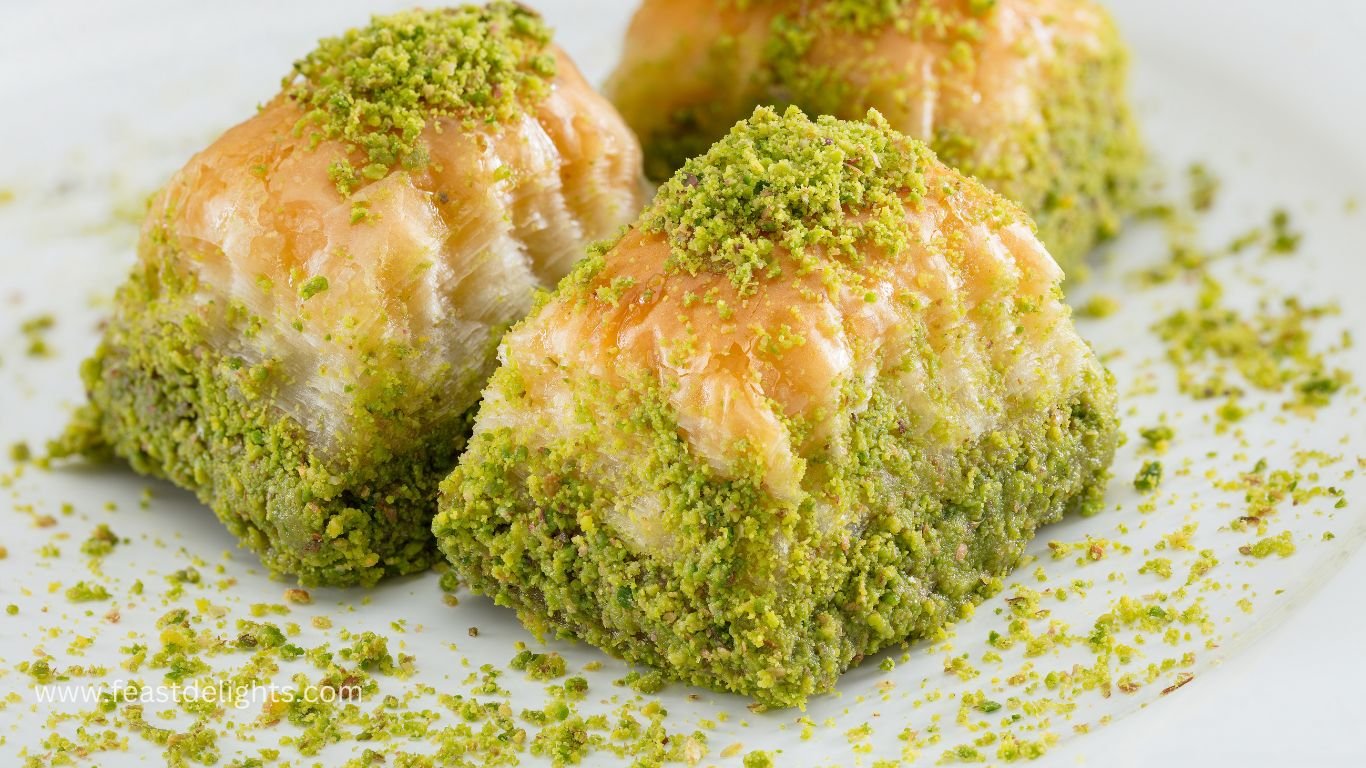
Walnut and pistachio baklava combines crisp, buttery filo pastry with a generous layer of chopped nuts and cinnamon. A lemon and honey syrup is poured over the hot baked pastry, sweetening the layers without the need for a separate topping. This version makes 24 small pieces in a rectangular baking pan using ready-made filo. Cut the pastry before baking, let the syrup cool while you assemble the layers, and give the finished baklava at least four hours to absorb the syrup before serving with coffee or tea.
Walnut and pistachio baklava is a layered filo dessert with a crisp, golden surface and a sweet nut filling moistened with syrup. This Eastern Mediterranean-inspired version combines walnuts, pistachios and cinnamon with lemon and honey syrup. It makes 24 pieces. Allow about 5 hours 33 minutes including four hours for syrup absorption; active assembly and baking take much less time.
Choosing filo, nuts and syrup ingredients
Ready-made filo pastry is made of very thin sheets that dry quickly when exposed to air. Thaw it as directed on the packet before opening. If the sheets are larger than the pan, trim them together rather than repeatedly folding thick edges. Unsalted melted butter allows the sheets to separate as they bake. Use a brush to distribute a thin film instead of pouring butter over the stack.
Walnuts provide a rich, slightly earthy flavour and pistachios add colour and a different texture. Chop them finely enough for an even layer but stop before they become oily. Cinnamon belongs in the filling rather than scattered over the surface, where it could burn. The syrup uses equal weights of sugar and approximately equal volume of water in the original proportions; lemon balances the sweetness and honey adds its own aroma.
Recipe card
Walnut and Pistachio Baklava with Lemon Syrup
Syrup simmers 8 minutes and cools during assembly and baking; baking takes 45–55 minutes (50 counted). Rest at least 4 hours after adding syrup. Allow extra time for thawing filo or cooling syrup if necessary.
Equipment: Kitchen scale, small saucepan, mixing bowl, pastry brush, clean barely damp tea towel, 23 × 33 cm (9 × 13 inch) baking pan, sharp knife, cooling rack
Ingredients
Pastry layers
Nut filling
Lemon-honey syrup
Instructions
Simmer and cool the lemon syrup
Combine sugar and water in a small saucepan. Stir over medium heat until dissolved, bring to a gentle boil and simmer 8 minutes without vigorous stirring. Remove from heat, stir in lemon juice and honey and set aside to cool completely.
8 minPrepare the nut filling and pan
Chop walnuts and pistachios to small even pieces, not a paste. Mix with cinnamon. Preheat a conventional oven to 170°C (340°F) and brush a 23 × 33 cm (9 × 13 inch) pan with some melted butter.
Build the lower filo layers
Unwrap thawed filo and trim sheets to fit the pan if necessary. Cover unused sheets with a clean barely damp cloth. Lay half the sheets in the pan one at a time, brushing each lightly with melted butter, including the corners.
Add nuts and finish layering
Spread the nuts evenly over the lower stack. Cover with the remaining filo, buttering each sheet lightly. Brush the top evenly; avoid pressing hard enough to compact the layers.
Cut 24 portions and bake
With a sharp knife, cut all the way through into 24 pieces (a 4 × 6 grid works well). Bake on the middle rack 45–55 minutes until deeply golden and crisp, including the edges. If the surface colours too early, loosely shield with foil.
50 minPour syrup over hot pastry and rest
Place the hot pan on a heatproof surface and carefully spoon the cooled syrup evenly along the cuts and over the pastry. It may sizzle. Leave uncovered on a rack to cool and absorb the syrup for at least 4 hours. Recut along the lines if needed before lifting pieces.
240 min
How to keep the filo crisp
Prepare the syrup first so it has time to cool while you work on the pastry. Set out the pan, melted butter and filling before opening the filo packet. Keep unused sheets covered with a barely damp cloth: a wet cloth can make them stick together. Fit each sheet into the corners and use enough butter to coat it lightly. Small tears in the lower layers are harmless if they are overlapped.
Once the filling is in place, avoid packing it down. Add the upper sheets in an even stack. Cut through the entire pastry before baking; marking only the surface makes the bottom difficult to separate later. A 4 by 6 grid gives 24 pieces without needing to calculate angles for diamonds.
When to add the syrup
Wait until the filo is golden and crisp across the surface and around the edges. Pale dough beneath the top layers can become soft after syrup is added. Place the hot pan on a stable heatproof surface, then spoon cooled syrup over it gradually and evenly, paying attention to the cuts. The hot pastry may sizzle, so keep your hands and face away from rising steam. Let it sit uncovered until completely cool. Do not rush to lift individual pieces while the syrup is still pooling.
Troubleshooting
- Filo breaks as you work: cover unused sheets and patch tears inside the layers.
- Top browns too quickly: shield loosely with foil while the lower pastry finishes baking.
- Syrup pools in the pan: allow the full resting period before deciding whether there is too much syrup.
- Sticky, soft layers: avoid covering warm baklava; trapped steam softens the crust.
- Uneven pieces: mark a grid and use a sharp knife before baking.
Variations and serving ideas
Try a little orange zest in the syrup or replace some walnuts with almonds. For a different nut and syrup combination, see the pistachio baklava with cardamom syrup. A homemade filo pastry is another option for cooks who want to make the sheets from scratch. If you have spare filo, use it for this apple and walnut filo strudel.
Serve small portions with unsweetened coffee, tea or fresh citrus on the side. Baklava is rich, so the small portions are intentional. Add chopped nuts just before serving if desired.
Make ahead, storage and allergens
Prepare the entire tray the day before serving. Once fully cooled, cover and keep in a cool, dry place for up to three days for best texture. Refrigerate in hot or humid conditions, or when adding perishable toppings. Freeze individual pieces tightly wrapped for up to a month for best quality and thaw before serving. The recipe contains wheat (gluten), milk, walnuts and pistachios. Other nuts are not allergy-safe substitutes for all readers. Check filo and butter labels for additional ingredients and possible cross-contact.
Frequently asked questions
Why cut baklava before baking?
Unbaked filo is flexible and easier to cut cleanly. After baking the brittle layers can shatter when pressed with a knife.
Can I make baklava the day before?
Yes. Bake and syrup it the previous day, let it cool fully, then cover and store in a cool dry place.
Why is my baklava soggy?
Underbaked pastry, excessive butter or syrup, or covering it while warm can soften the layers. Bake until crisp and allow the steam to escape.
What if my filo sheets tear?
Overlap the torn pieces inside the stack and brush lightly with butter. Reserve intact sheets for the top if possible.
Can I use only pistachios?
Yes, replace the walnuts with the same weight of pistachios. The flavour and cost will change.
Does baklava need honey?
Not all versions use honey. In this recipe it contributes flavour to the lemon syrup; replacing it changes the syrup slightly.
More recipes to try






Spotted a detail that needs correcting? Contact the FeastDelights editors.