Apple Turnovers with Cinnamon and Honey Filling
These apple turnovers enclose tender pieces of apple cooked with butter, cinnamon, sugar and honey in a golden pastry shell. Ready-rolled puff pastry gives light, flaky layers, while shortcrust makes a more crumbly alternative. Cooking and cooling the filling before assembly helps prevent soggy pastry and leaking seams. Two pastry sheets make eight individual turnovers, depending on sheet size. Cut steam vents, seal the edges carefully and bake until the underside is cooked through. Serve slightly warm with tea, custard or vanilla ice cream.
Apple turnovers with cinnamon and honey are individual pastries folded around a cooked fruit filling. This version makes eight turnovers in about 1 hour 37 minutes, including cooling the filling and resting the baked pastries. Use ready-rolled puff pastry for flaky layers or shortcrust for a more crumbly shell.
Choose apples and pastry that hold their shape
Firm, slightly tart baking apples balance the sugar and honey. Peel and dice them evenly so they soften without turning to purée. The honey gives this filling a distinct flavour, while cinnamon provides warmth. Cook the fruit until there is no puddle of juice in the pan. A wet filling can steam the pastry from the inside.
Ready-rolled sheets vary in size, so check the package and cut eight equal pieces that can comfortably fold around the filling. Keep puff pastry cold enough to handle. Shortcrust is also suitable, but it does not produce the same airy layers.
Recipe card
Apple Turnovers with Cinnamon and Honey Filling
Allow up to 7 minutes for filling, about 30 minutes to cool it, 20–25 minutes to bake, and 10 minutes before serving. Thaw pastry beforehand according to package instructions. Cool filling longer if still warm.
Equipment: Kitchen scale, knife, peeler, skillet, spatula, shallow plate, pastry brush, fork, parchment-lined baking tray, cooling rack
Ingredients
Pastry
Apple filling
Glaze
Instructions
Cook and cool the cinnamon apples
Melt butter over medium heat in a skillet. Add evenly diced apples, sugar, cinnamon and honey. Cook 5–7 minutes, stirring, until apples are just tender and most free liquid has evaporated. Spread on a shallow plate and cool completely, about 30 minutes; refrigerate if needed.
7 minCut eight pastry pieces
Preheat a conventional oven to 200°C (400°F) and line a baking tray. Keep pastry chilled until shaping. Cut the two sheets into eight equal squares or circles, aiming for pieces around 12 cm wide if the sheet dimensions allow.
Fill and seal the turnovers
Divide cooled filling among the pieces without overfilling, leaving a 1 cm border. Brush the border lightly with beaten egg, fold over and press the edges to seal. Crimp with a fork, avoiding excessive compression of puff pastry layers. Keep any surplus filling separate.
Vent and glaze
Cut a small steam slit in each top. Brush lightly with remaining egg, avoiding drips down exposed puff pastry edges. Sprinkle optional coarse sugar. If pastry has softened, chill the tray briefly before baking.
Bake until golden and cool briefly
Bake on the middle rack 20–25 minutes or according to pastry package guidance, until golden, firm underneath and cooked through. Puff pastry should have risen into visible layers; shortcrust will not puff the same way. Transfer to a rack and cool at least 10 minutes before serving.
25 min
How to seal and bake turnovers
Cool the filling on a shallow plate rather than in a deep hot pan. Leave about 1 cm of clean pastry around each mound of fruit and avoid overfilling. Brush the border lightly with egg, fold, and press closed. A fork helps reinforce the seam. Cut a slit in the top to release steam. If the pastry feels soft and oily, chill briefly before baking. Brush egg only over the upper surface; excess egg running down puff pastry edges can glue the layers together.
Doneness and troubleshooting
Look for an evenly golden top and a firm, cooked underside. If the tops colour early, move the tray slightly lower or shield loosely with foil while the pastry finishes. If juice leaks, the filling may have been too wet or the seam too full. Reduce the fruit longer next time. Leave the turnovers on a rack for at least ten minutes because the fruit inside can remain very hot.
Serving ideas and variations
Serve warm with custard or vanilla ice cream. Raisins or firm pears can vary the filling, but avoid adding excess liquid. For a different filling, see apple puff pastry turnovers with lemon. Other ways to use apples include shortcrust apple tart and homemade apple strudel.
Make ahead, storage and allergens
Prepare the filling ahead and chill it covered. Refrigerate baked leftovers within two hours, or one hour above 32°C (90°F), and use within three days. Reheat in an oven to restore crispness. Freeze cooled pastries for up to two months for quality. Contains wheat, egg and milk unless suitable alternatives are used; check pastry labels. Honey is not suitable for infants under 12 months.
Frequently asked questions
Should I use puff pastry or shortcrust?
Puff pastry produces flaky layers; shortcrust is firmer and crumbly. Both can work, but follow package baking guidance.
Why cool the apple filling?
Hot filling softens pastry fat, which can make the dough greasy and difficult to seal.
Why do turnovers leak?
Excess liquid, overfilling and unsealed edges are common causes. Cool a concentrated filling, leave a border and vent the top.
Can I assemble them ahead?
Yes. Cover and refrigerate shaped turnovers for a few hours and brush with egg shortly before baking.
Can I substitute maple syrup for honey?
Yes as a flavour variation; it may add more water, so reduce the filling until no liquid pools.
How do I restore crispness?
Reheat on a tray in a 180°C (350°F) oven until hot throughout. A microwave tends to soften the pastry.
More recipes to try

Cream Cheese Chocolate Truffles Rolled in Cocoa

Cream Cheese Cheesecake Danish with Lemon and Vanilla

Fresh Fruit Salad with Orange Honey Dressing

Ptichye Moloko Bird’s Milk Mousse with Chocolate Glaze
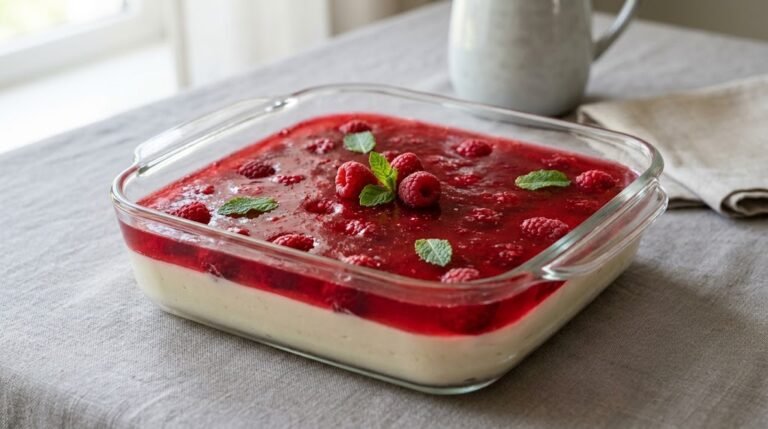
Bird’s Milk Jello with Creamy Mousse and Raspberry Jelly
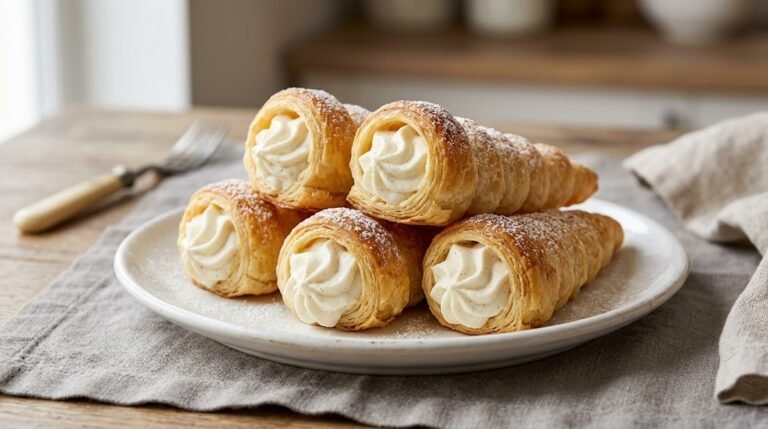
Cream Horn Trubochki with Vanilla Cream Filling
Spotted a detail that needs correcting? Contact the FeastDelights editors.