Baked Colostrum Custard with Condensed Milk and Vanilla
This Ukrainian-inspired baked colostrum custard combines commercially pasteurised cow's colostrum with sweetened condensed milk, sugar and optional vanilla. A gentle water bath helps the dairy mixture set without harsh browning. The recipe makes approximately six portions, with 15 minutes of preparation and about 45–55 minutes of baking, followed by cooling and chilling. Use only liquid food-grade colostrum labelled pasteurised. Its protein concentration varies, so the finished texture and exact baking time require confirmation with the product you buy.
Colostrum is the first milk produced after a cow gives birth. Its composition differs substantially from ordinary milk, and its proteins can thicken or set when heated. This recipe is a sweet baked dairy dish, not a treatment or dietary supplement. For safety, make it only with commercially pasteurised liquid colostrum intended for human consumption. Allow 15 minutes of preparation and up to 55 minutes of baking, plus cooling and refrigeration. The yield is approximately six portions.
Choosing the dairy ingredients safely
Use one litre (about 4¼ US cups) of commercially pasteurised liquid cow’s colostrum, explicitly sold for human consumption. Do not use raw farm colostrum, calf feed, veterinary products or supplement powder. If a suitable liquid product is unavailable, choose a conventional baked custard instead. A trusted farm or fresh appearance alone cannot establish microbiological safety. The FDA raw milk guidance explains the importance of pasteurisation. Research on processing bovine colostrum for human consumption also describes how heat treatment affects its proteins.
Use 100 g (3.5 oz) granulated sugar and one can of sweetened condensed milk. The original ingredient list does not specify the can weight; approximately 397 g (14 oz) is a provisional standard-can assumption that requires kitchen confirmation. Do not substitute unsweetened evaporated milk. Add a pinch of salt and optional vanilla sugar. The condensed milk and sugar contribute sweetness and solids, while the colostrum supplies the setting proteins. Different products may produce a firm, soft or slightly grainy texture.
Equipment and water bath
Use a mixing bowl, whisk, fine sieve, six heat-safe ramekins or a shallow baking dish, a larger roasting pan and oven gloves. Preheat a conventional oven to 160°C (320°F). The water bath moderates the heat around the dairy mixture. Place the filled dishes in the larger pan before carefully adding hot water about halfway up their sides. Avoid splashing water into the custard. Use ungreased ramekins if serving directly from them; greasing is not necessary.
Recipe card
Baked Colostrum Custard with Condensed Milk and Vanilla
70 minutes covers preparation and baking only; cooling and chilling are additional. Product-specific setting and can weight require kitchen confirmation.
Equipment: Bowl, whisk, fine sieve, shallow heat-safe dishes, roasting pan, oven gloves, food thermometer
Ingredients
Custard
Instructions
Whisk pasteurised dairy ingredients
Use only commercially pasteurised liquid food-grade cow's colostrum. Whisk with sugar, sweetened condensed milk, optional vanilla sugar and salt.
Strain the mixture
Pass through a fine sieve to remove lumps.
Prepare a gentle water bath
Preheat oven to 160°C (320°F). Pour into shallow heat-safe dishes, set in a roasting pan and add hot water halfway up the sides.
Bake and check the centre
Bake about 45–55 minutes, checking that the edges set, the centre is not liquid and the deepest part reaches at least 74°C (165°F). Timing and setting vary with the pasteurised product.
Cool and refrigerate promptly
Remove dishes carefully from the hot water, cool promptly and refrigerate within two hours. Serve chilled and use within two days.
How to recognise the cooked custard
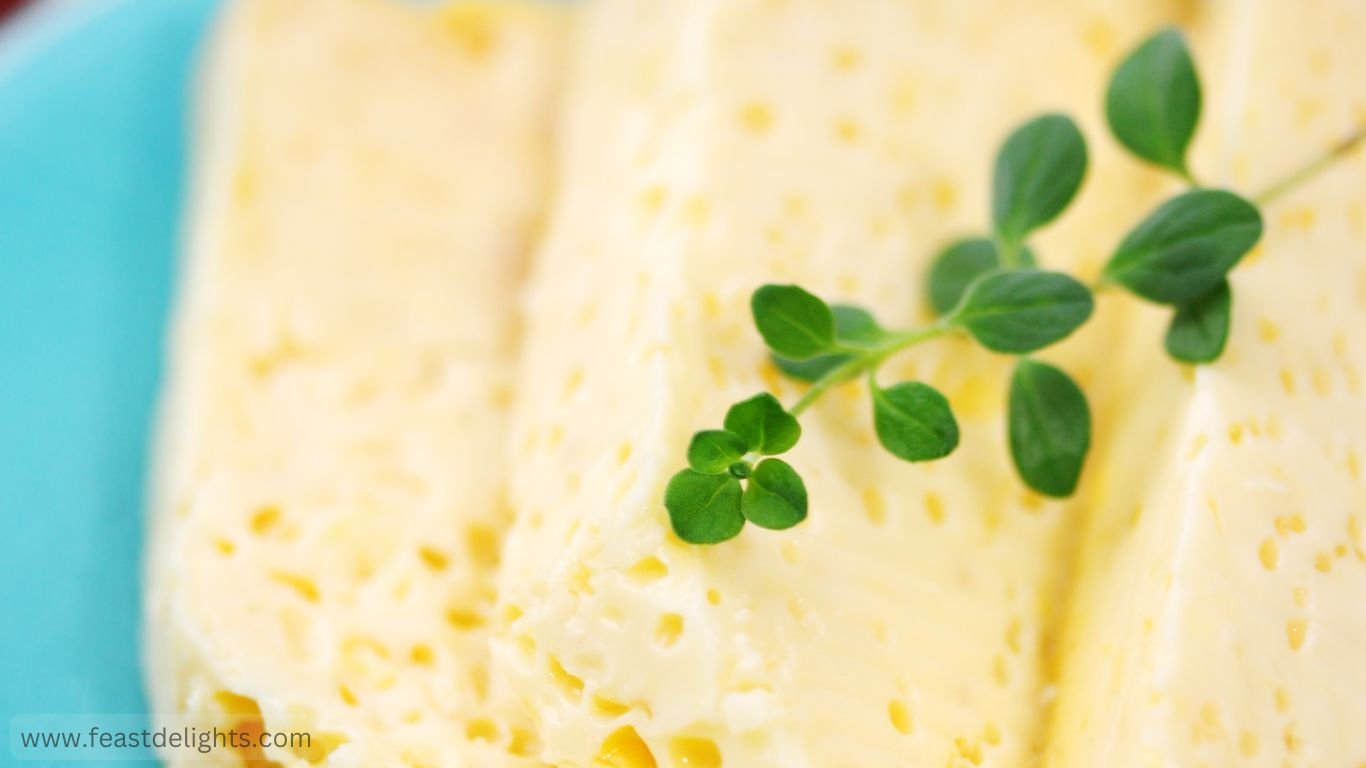
Begin checking at about 45 minutes. The edges should look set and the centre should move gently as a whole rather than slosh like liquid. Check the deepest part with a clean food thermometer and heat to at least 74°C (165°F) as a conservative cooking target for this mixed dairy dish. This is not a validated home pasteurisation method and must never be used to make raw colostrum safe. If the mixture fails to set with the pasteurised product, do not assume that extending baking indefinitely will fix it. Product composition, dish depth and processing affect the result. Remove the dishes carefully from the water bath and cool promptly before refrigeration.
Troubleshooting and substitutions
If the edges brown before the centre sets, check the water bath and oven temperature. A shallow dish or smaller portions generally heat more evenly than a deep bowl. If the mixture becomes grainy, excessive heat or differences in milk proteins may be responsible. Strain before baking and avoid vigorous boiling. Ordinary milk does not provide the same setting properties; adding it is not a reliable one-to-one substitution. For an alternative with a defined egg-based setting method, see baked vanilla flan, vanilla crème brûlée or cherry clafoutis.
Serving and storage
Serve chilled in small portions, plain or with fresh berries. This dessert contains milk and is not suitable for people with a milk allergy. Divide into shallow portions or use individual heat-safe dishes. Refrigerate promptly at 4°C (40°F) or colder within two hours of cooking (one hour above 32°C/90°F). Consume within two days, or earlier if the product label requires. Do not freeze for this recipe because the set texture may deteriorate. Do not taste uncooked mixtures or use this recipe for a product intended for animals. The stated proportions are retained as an editorial adaptation, not a kitchen-tested guarantee of setting.
Frequently asked questions
Can I use raw colostrum from a farm?
No. Use commercially pasteurised liquid colostrum intended for human consumption. Home baking is not a validated pasteurisation process.
Can regular milk replace colostrum?
No. Ordinary milk has different protein concentrations and needs a different custard formula.
Can I use colostrum powder?
Not as a direct replacement. Supplement powders vary and this liquid recipe has not been tested with them.
Why is the custard not setting?
Colostrum composition and processing vary. Use shallow dishes and check the baking conditions; the formula requires product-specific kitchen confirmation.
Does this recipe contain eggs?
No eggs are listed in this formula, but the dairy ingredients contain milk allergens.
More recipes to try






Spotted a detail that needs correcting? Contact the FeastDelights editors.