Refrigerator Tomatoes with Horseradish and Garlic
Tomatoes under the snow are small firm tomatoes layered with garlic, dill and parsley and topped with freshly grated horseradish. The pale horseradish gives the dish its snowy appearance and a sharp, peppery flavour. This refrigerator version uses a measured vinegar brine, with about 30 minutes of preparation and heating followed by 24 hours of chilling. Serve the tomatoes cold alongside potatoes, grilled dishes or sandwiches. This is a fresh refrigerator pickle, not a validated shelf-stable preserve.
Tomatoes under the snow are a Ukrainian-inspired refrigerator pickle named for the pale grated horseradish that sits over small tomatoes. Garlic, dill, parsley and a sweet-sour vinegar brine give the tomatoes a tangy, aromatic flavour. The recipe makes approximately one quart-size jar’s worth, although smaller containers may be needed. Allow 30 minutes for preparation and heating, then refrigerate for 24 hours.
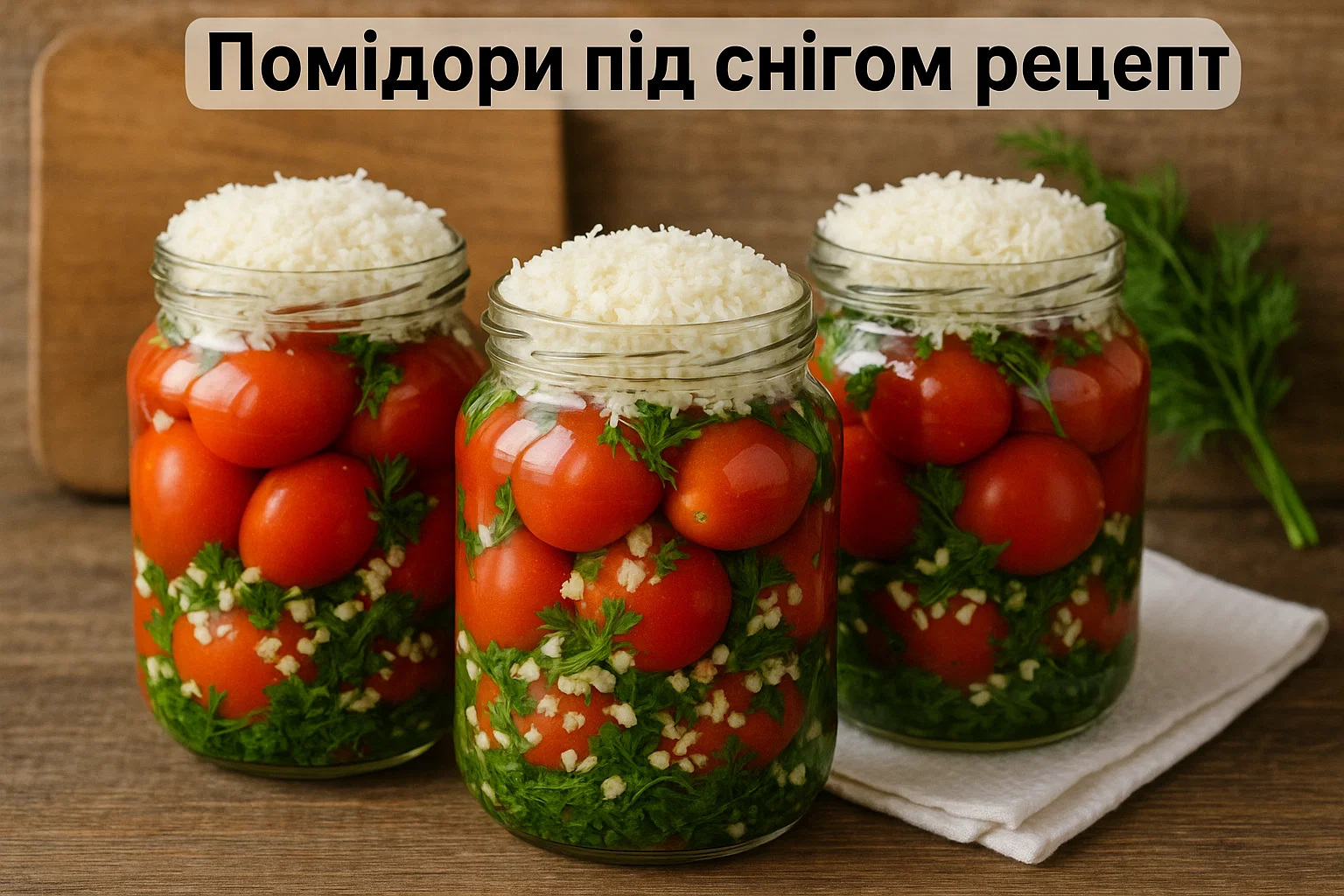
Recipe card
Refrigerator Tomatoes with Horseradish and Garlic
25 minutes preparation and 5 minutes heating the brine, followed by 24 hours in the refrigerator. Keep chilled throughout marinating.
Equipment: Knife, chopping board, fine grater, saucepan, measuring jug and spoons, clean heat-safe containers with lids.
Ingredients
Tomatoes and aromatics
Vinegar brine
Instructions
Prepare tomatoes and aromatics
Wash the tomatoes, dill and parsley under running water. Discard cracked or spoiled fruit. Peel and mince the garlic, and grate the horseradish in a well-ventilated area. Wash the heat-safe containers and lids thoroughly.
Simmer the measured brine
Combine 250 ml water, 250 ml food-grade vinegar labelled 5% acidity, sugar, salt and peppercorns in a saucepan. Heat gently to a simmer, stirring until the sugar and salt dissolve, about 5 minutes.
Arrange tomatoes in clean containers
Place garlic and herbs in the containers and arrange the tomatoes without crushing them. Divide between smaller containers as needed so the tomatoes and brine fit comfortably.
Add the horseradish topping
Pour the warm brine over the tomatoes to cover them. Scatter the grated horseradish over the top. If more brine is needed, prepare a proportionate additional amount of the complete brine formula rather than topping up with plain water.
Refrigerate for 24 hours
Cover and refrigerate promptly at 4°C (40°F) or colder. Allow 24 hours for the flavours to develop. Serve cold and use within 3 days of preparation. This is not a canning process.
Choosing tomatoes and horseradish
Use small, firm tomatoes with intact skins. Cracked or spoiled fruit should not be used. The tomatoes should fit comfortably in the containers without being crushed. Wash the dill and parsley and drain them before packing. Fresh horseradish is the defining ingredient: its pale colour creates the snowy appearance, while its pungency adds contrast to the sweet tomatoes. Grate it just before use in a ventilated space and avoid touching your eyes.
Preparing the vinegar brine
Measure equal volumes of food-grade vinegar labelled 5% acidity and water. Heat with the measured sugar, salt and peppercorns until dissolved. The brine is intended for flavouring this refrigerated salad, not for establishing safe acidity throughout whole tomatoes. A different vinegar may change the flavour, and plain water should not be added to stretch the brine. If necessary, make a proportionate additional amount of the complete mixture.
Packing and chilling
Arrange the garlic and herbs beneath the tomatoes in clean heat-safe containers. Pour over the warm brine and add the grated horseradish last. If the tomatoes and liquid will not fit in one container, divide them between smaller containers. Do not force them down or assume a sealed lid makes them safe for pantry storage. Refrigerate promptly rather than leaving the filled containers on the counter. After about 24 hours the outer tomato layers will take on the tangy flavour; the centres may remain relatively mild.
Serving ideas and related recipes
Serve alongside roasted vegetables or sandwiches, or pair with Ukrainian pan-fried potatoes. For a variation without horseradish, try refrigerator pickled tomatoes with garlic and bay. A Nizhyn-style cucumber and onion salad offers a crisp alternative.
Refrigerator storage only
Keep the tomatoes at 4°C (40°F) or colder from preparation to serving. Use within three days of preparation as a conservative limit because this particular recipe has no validated extended storage life. Do not store at room temperature, invert hot jars or process them as a shelf-stable preserve. The National Center for Home Food Preservation recommends research-tested recipes and procedures for preserved pickles. No major common allergens are intentionally added; check packaged vinegar and other accompaniments for individual needs. Freezing is not recommended because the tomatoes may lose their texture.
Frequently asked questions
Why are these called tomatoes under the snow?
The pale grated horseradish resembles a sprinkling of snow over the tomatoes.
Which tomatoes work best?
Use small, firm tomatoes without cracks or bruises. Larger fruit may not fit comfortably or take up flavour as evenly.
Can I use prepared horseradish?
Fresh grated root gives the distinctive appearance and sharp flavour. Prepared horseradish varies in ingredients and acidity and changes the result.
Can I dilute the brine?
Keep the stated water and vinegar proportions for the intended flavour. Do not add plain water to top up the containers or treat this as a safe canning formula.
When can I serve the tomatoes?
After about 24 hours of refrigeration. They remain a fresh refrigerator preparation and should be used within three days of preparation.
Can I keep the jars in the pantry?
No. There is no validated shelf-stable canning process for this recipe. Keep the tomatoes refrigerated throughout.
More recipes to try





Spotted a detail that needs correcting? Contact the FeastDelights editors.