Chocolate Sour Cream Cake with Chocolate Glaze
This chocolate sour cream layer cake has a soft cocoa sponge, a cool, tangy sour cream filling and a thin dark chocolate and butter glaze. Bake one round sponge, split it into two layers and fill it only after it has cooled completely. The cake makes ten slices and is particularly suited to making ahead, because a two-hour refrigerator rest helps the filling settle. Use thick full-fat sour cream for the filling and let the melted chocolate cool until just pourable before finishing.
Chocolate sour cream layer cake combines a cocoa sponge with sweetened sour cream and a dark chocolate glaze. The contrast between the soft cake, tangy filling and firmer chocolate top is the reason to make this version. Unlike recipes that bake two separate sponges, this one uses a single 20 cm (8-inch) round cake split horizontally. Allow 35 minutes of preparation, 45 minutes of baking and about three and a half hours for cooling and chilling, making ten slices.
Ingredients for a soft chocolate sponge and stable filling
Keep the two quantities of sour cream separate: 250 g goes into the batter and 500 g into the filling. Full-fat sour cream is the most predictable choice; a thin reduced-fat product can make the filling run down the sides. Natural unsweetened cocoa provides the chocolate flavour in the sponge. Weigh flour and cocoa rather than packing them into cups. Baking soda reacts with the acidic sour cream and vinegar to release gas, so prepare the pan and preheat the oven before mixing. The vinegar is measured into the wet ingredients, not left fizzing with the soda in a separate cup. This changes the original mixing sequence without changing its ingredients, to retain more of the gas in the batter.
Use a deep, round 20 cm (8-inch) metal cake tin, around 7 cm deep, lined at the base with parchment and lightly greased. If the batter exceeds two-thirds of the tin capacity, bake the excess in a separate small oven-safe mould. Use plain dark chocolate rather than sweetened cocoa drink powder for the glaze; the latter will not set the same way. Icing sugar dissolves more readily into sour cream than granulated sugar.
How to make chocolate sour cream layer cake
Beat the eggs and granulated sugar until lighter and foamy. Whisk together the dry ingredients in a separate bowl to distribute the cocoa and soda evenly. Fold the flour mixture into the wet ingredients only until no dry streaks remain. Overmixing at this stage can leave a tough crumb. Transfer the batter straight to the prepared tin and bake. The complete measured directions follow.
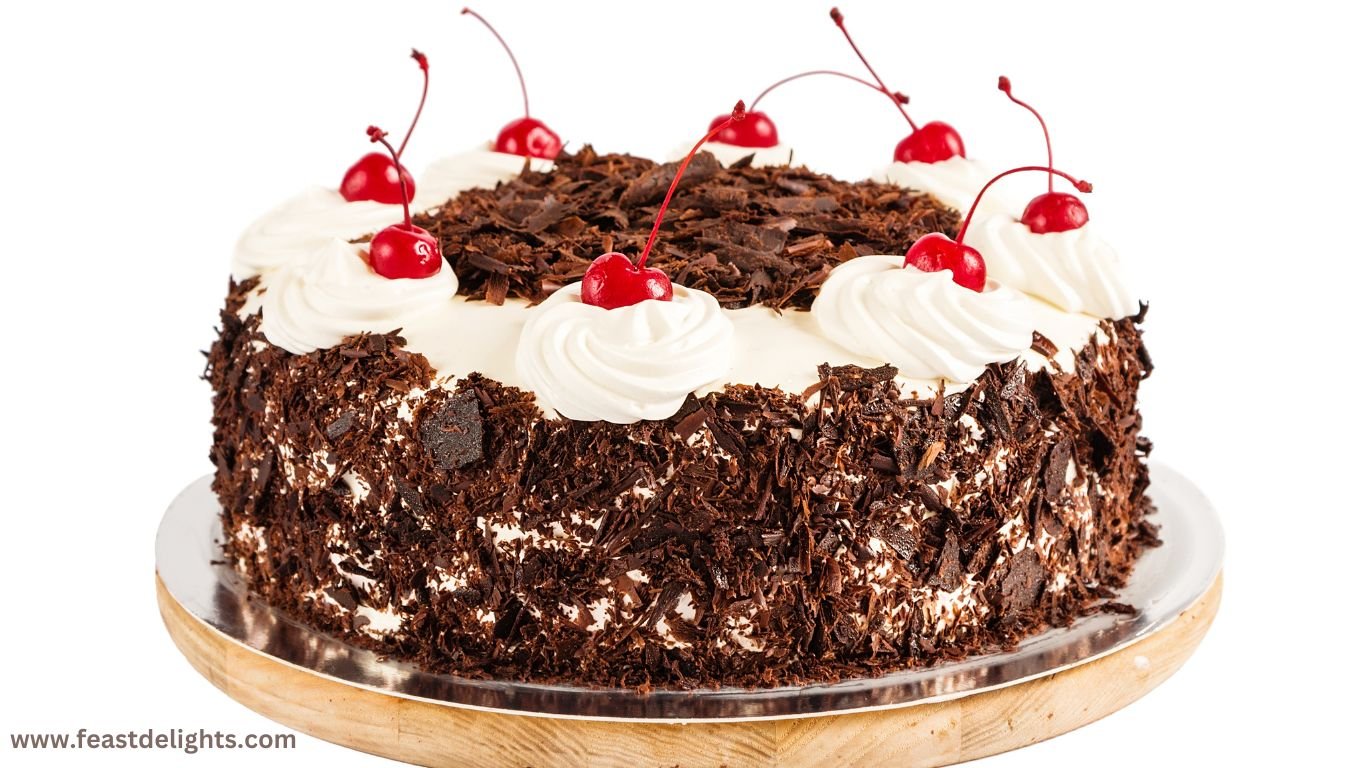
Recipe card
Chocolate Sour Cream Cake with Chocolate Glaze
35 minutes active preparation, 45 minutes baking, about 90 minutes cooling and at least 120 minutes chilling. Cooling varies by room temperature.
Equipment: Deep 20 cm (8-inch) round cake tin, parchment, digital scales, bowls, whisk or mixer, sieve, flexible spatula, cooling rack, serrated knife and heatproof bowl.
Ingredients
Cocoa sponge
Sour cream filling
Chocolate glaze
Instructions
Mix the cocoa sponge
Preheat conventional oven to 175°C (about 350°F). Line and grease a deep 20 cm (8-inch) round tin. Beat eggs and 200 g sugar until pale and foamy. Stir in 250 g sour cream and vinegar. Whisk flour, cocoa and baking soda separately, then fold into the wet mixture just until combined.
Bake until the centre sets
Transfer batter immediately to the tin, no more than two-thirds full. Bake for 35–45 minutes until the centre springs back lightly and a skewer comes out without wet batter. Allow extra time if necessary; do not open the oven early.
Cool and split the sponge
Cool in the tin for about 10 minutes, then turn out onto a rack. Allow to cool completely (roughly 90 minutes including the initial cooling). Cut horizontally into two even layers with a serrated knife.
Fill with sweetened sour cream
Stir 500 g cold thick sour cream with sifted icing sugar and vanilla sugar until smooth. Spread about half over the lower cake layer, top with the second layer and spread the remaining filling over the top and sides. Chill briefly if needed to stabilise the coating.
Glaze and refrigerate
Melt chopped dark chocolate with butter over barely simmering water or in short microwave bursts. Stir until smooth, then cool until just pourable, not hot. Spread gently over the cake. Refrigerate for at least 2 hours before slicing.
Cooling, splitting and filling
Leave the baked sponge in the tin for about 10 minutes before turning it onto a cooling rack. Let it become cool throughout before splitting: a warm centre is fragile, and warm cake loosens the filling. A long serrated knife is helpful. Score a shallow guide around the circumference, then rotate the cake as you cut inward at the same height. Lift the top layer with a flat plate or wide spatula if necessary.
Stir the cold, thick sour cream with the sifted icing sugar and vanilla sugar only until smooth. Do not whip a runny product in the hope that it will become stiff. If the sour cream releases whey, drain it beforehand through a fine sieve in the refrigerator; measure the 500 g after draining. Spread about half the filling over the bottom layer, keeping a narrow margin at the edge to allow for spreading. Add the upper layer without pressing hard. Spread the remainder in a thin coat over the cake. If it is too loose to support a side coating, chill the assembled cake first and use the remainder when it is firmer.
Finish with the chocolate glaze
Chop the dark chocolate so it melts evenly with the butter. Use a bowl over barely simmering water, making sure the base does not touch the water and that steam or droplets cannot enter the bowl. Alternatively, microwave in short bursts, stirring between each. Let the mixture cool until it still flows but is no longer hot. A hot glaze will melt the sour cream underneath. Pour onto the chilled or cool cake and spread gently with a spatula. It will firm as the cake chills, so allow at least two hours in the refrigerator before cutting.
Troubleshooting common cake problems
Dense sponge: check the baking soda, avoid delays after mixing and fold the flour gently. Sunken middle: do not open the oven early; check for wet batter with a skewer before taking the cake out. Dry cake: begin checking at 35 minutes and remove once the centre has set. Filling slides: cool the sponge fully, use thick cold sour cream and avoid pressing the layers together. Glaze becomes grainy: avoid overheating and water contamination. If it is already seized, it may not be suitable for this finish; use fresh chocolate and butter.
Variations and serving
A few fresh raspberries or strawberries served beside each slice provide acidity without adding liquid to the filling. Substitute vanilla extract for vanilla sugar if necessary, using a small amount to taste. Full-fat thick Greek yoghurt is a possible substitute for part of the filling, but it changes the acidity and texture and should be reviewed in a kitchen trial. The cake contains wheat, eggs and milk; chocolate may also contain soy or traces of nuts. Check all labels for allergies. Serve chilled, with coffee or tea, cutting with a warm knife that is wiped dry between slices.
Make ahead and safe storage
Bake the sponge a day ahead and wrap it only after it cools. Assemble and refrigerate the filled cake at 4°C (40°F) or colder. Keep covered and eat within three days. Return leftovers to the refrigerator within two hours of serving, or one hour above 32°C (90°F), following official food safety guidance. For freezing, wrap the unfilled sponge and freeze for up to two months for best quality; thaw wrapped before filling. Freezing the assembled cake may cause the sour cream to separate. Reheating is unnecessary.
More chocolate and sour cream cakes
For a different method, try the two-layer chocolate cake with sour cream frosting. The Spartak chocolate-honey layer cake uses multiple thinner layers. For a simpler unfilled cake, see the vanilla sour cream pound cake.
Frequently asked questions
Can I bake the sponge in two separate tins?
Yes, divide the batter equally between two lined 20 cm tins and begin checking earlier; thinner layers bake faster. The precise time needs kitchen review.
Why use natural cocoa?
It provides chocolate flavour and acidity. Dutch-process cocoa changes the acid balance; the sour cream and vinegar still contribute acidity, but results may vary.
Can I use low-fat sour cream?
It is less suitable for the filling because it can be runny. Thick full-fat sour cream is the preferred choice.
Can I skip the chocolate glaze?
Yes. Leave the cake coated with sour cream and serve chilled. It will have a softer finish.
Why does the cake need to chill?
Chilling firms the filling and chocolate so the layers hold together during slicing.
How do I cut neat slices?
Use a long knife warmed in hot water and wiped completely dry. Wipe it between cuts.
Can I add fruit between the layers?
A thin layer of well-drained fruit may work, but extra moisture can loosen the filling. Serving berries on the side is more predictable.
Can I use a larger tin?
A 23 cm tin makes a shallower sponge that may bake faster and be harder to split. Use the 20 cm tin for the stated layer thickness.
More recipes to try






Spotted a detail that needs correcting? Contact the FeastDelights editors.