Baked Vanilla Rice Pudding with Milk and Egg
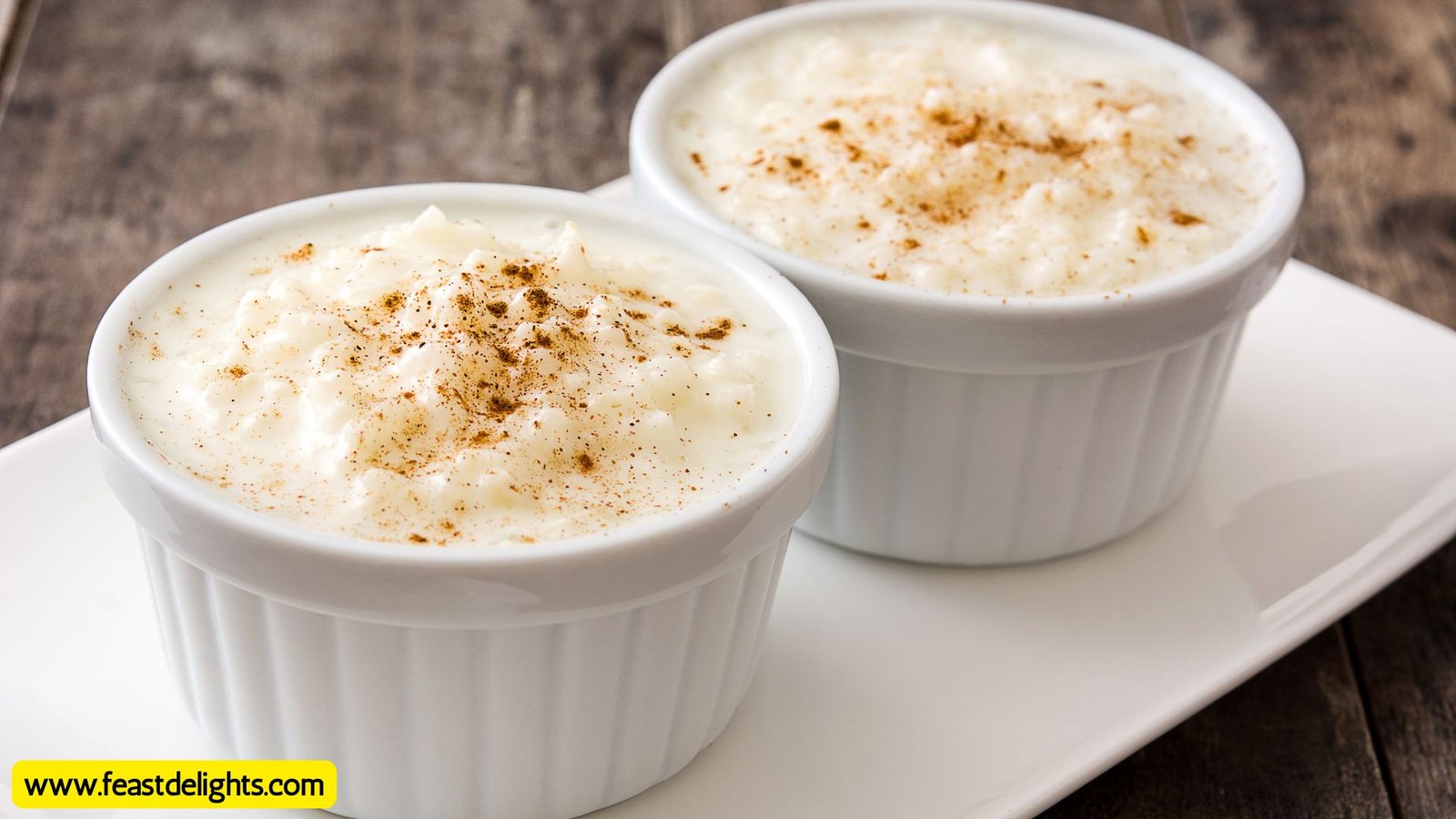
This baked vanilla rice pudding combines tender rice with a lightly sweetened milk and egg custard. Short- or medium-grain rice is partially cooked in water before baking, so the grains soften without requiring a prolonged oven bake. Butter adds richness and vanilla brings a gentle fragrance. The finished pudding should be softly set rather than dry, with tender grains throughout. Serve six portions warm after a short rest, with a little icing sugar or cinnamon if desired.
Unlike a stovetop rice porridge, this European-inspired pudding finishes in the oven with an egg-enriched milk mixture that sets around the rice. Par-cook the rice first and temper the egg with warm milk so the custard blends smoothly. This version makes six servings with 200 g rice, 500 ml milk and one egg. Allow approximately 15 minutes preparation, 45 minutes cooking and 10 minutes resting.
Choosing rice and making a smooth custard
Short- or medium-grain white rice is suited to a creamy pudding because its grains release starch as they soften. Weigh the uncooked rice rather than substituting an equal volume of cooked rice. Whole milk adds richness and butter softens the texture. Vanilla extract flavours the pudding without changing its consistency. The egg helps the milk mixture set during baking; it is not simply an optional garnish.
Recipe card
Baked Vanilla Rice Pudding with Milk and Egg
15 minutes preparation, about 10–12 minutes rice simmering and 25–30 minutes baking, with time for heating milk; rest 10 minutes before serving. Allow extra baking time if necessary.
Equipment: Saucepan with lid, fine sieve, measuring jug, kitchen scale, bowl, whisk, 1.5–2 litre oven-safe baking dish (approximately 20 cm square), instant-read thermometer, oven gloves
Ingredients
Rice
Milk and egg custard
Optional finish
Instructions
Par-cook the rice
Rinse rice in a fine sieve. Bring 480 ml water to a boil in a saucepan, add rice and reduce to a gentle simmer. Cook 10–12 minutes until the grains are nearly tender, stirring occasionally if needed. If the water is absorbed before the rice softens, add a small splash of hot water. Drain any excess water and proceed directly to the custard.
Warm the milk and temper the egg
Preheat conventional oven to 180°C (350°F). Grease a 1.5–2 litre oven-safe dish using a little of the measured butter. Warm the milk, sugar, vanilla and salt in a saucepan until the sugar dissolves and the milk steams without boiling. Whisk the egg separately; gradually whisk a ladle of the warm milk into it, then whisk this tempered mixture into the remaining warm milk off the heat.
Combine rice and custard
Combine the freshly par-cooked rice with all of the tempered milk mixture and the remaining butter. Stir gently to distribute the grains and pour into the prepared dish, leaving headroom. Do not taste the uncooked egg mixture.
Bake, rest and serve
Bake 25–30 minutes, or longer if needed, until the edges are set, the rice is tender and the centre reaches at least 71°C (160°F). A gentle wobble is fine, but the centre should not be liquid. Rest 10 minutes before portioning. Dust with optional icing sugar and serve. Cool any leftovers quickly in shallow portions.
How to cook the rice before baking
Simmer the rinsed rice in the measured water until nearly tender. Check the grains rather than relying solely on timing. If necessary add a splash of hot water to prevent sticking, then drain any remaining water. Proceed directly to the custard instead of leaving partially cooked rice at room temperature. Warm the milk gently and whisk a small amount into the egg before returning it to the rest of the milk. Combine all the custard liquid with the rice and butter. This prevents a dry pudding caused by leaving the remaining milk in the saucepan.
Baking and checking doneness
Use a moderate-depth oven-safe dish so the pudding can cook evenly. Check the centre after about 25 minutes. The edges should be set, and the centre should tremble gently without flowing. Confirm at least 71°C (160°F) with a thermometer, consistent with FoodSafety.gov egg-dish guidance. Continue baking if the rice remains hard or the egg mixture is not cooked. A short rest helps the custard settle.
Troubleshooting
If the rice is firm, it likely needed more time during the first simmer. If the pudding looks watery, check whether excess cooking water was drained and whether the centre has set. If the egg forms lumps, warm the milk more gently and temper gradually next time. If the surface browns before the centre is ready, cover loosely with foil and continue baking. Avoid overbaking until the pudding becomes dry and rubbery.
Serving and variations
A little cinnamon or citrus zest complements the vanilla. Serve warm with fruit or enjoy chilled within the safe storage period. For a chilled festive rice dessert, try Danish risalamande. Other milk-based dishes include pumpkin and rice milk porridge and baked vanilla flan.
Make ahead, storage and allergens
Measure ingredients and prepare the baking dish ahead, but cook the rice just before assembling. Divide leftovers into shallow containers and chill quickly, ideally within 1 hour of cooking, then keep at 4°C (40°F) or below. Consume within 24 hours. If reheating, heat only once to 74°C (165°F) throughout and eat immediately. Freezing may make the custard grainy; if freezing, cool quickly and freeze within 1 hour, use within 1 month for best quality, thaw in the refrigerator and reheat once. The UK Food Standards Agency’s rice guidance recommends rapid chilling and consuming refrigerated rice within 24 hours. Cooked rice can support toxin-producing bacteria if held warm for too long; reheating cannot reliably undo unsafe storage. Contains milk and egg. Check packaged ingredients for other allergens.
Serve the pudding after its brief rest, while the custard is tender.
Frequently asked questions
Which rice is best for baked rice pudding?
Short- or medium-grain white rice provides a creamy texture as it releases starch. Long-grain rice gives a more separate, less creamy result.
Why cook the rice before baking?
Partially cooking the rice lets the grains soften before the egg custard sets. Dry uncooked rice would need a different amount of liquid and a longer bake.
Why does the egg need tempering?
Gradually adding warm milk raises the egg temperature gently and reduces the chance of scrambled pieces in the pudding.
What should the baked centre look like?
It should be softly set with a small wobble, not a pool of liquid, and register at least 71°C (160°F). The pudding firms a little while resting.
Can I make it without an egg?
Removing the egg changes the custard structure. A stovetop rice pudding made without eggs is a better alternative than simply omitting it here.
How long can I keep leftover rice pudding?
Chill promptly, ideally within one hour, refrigerate and consume within 24 hours. Reheat only once until steaming hot throughout, or serve properly chilled.
More recipes to try






Spotted a detail that needs correcting? Contact the FeastDelights editors.