Double-Crust Plum Pie with Lemon and Optional Walnuts
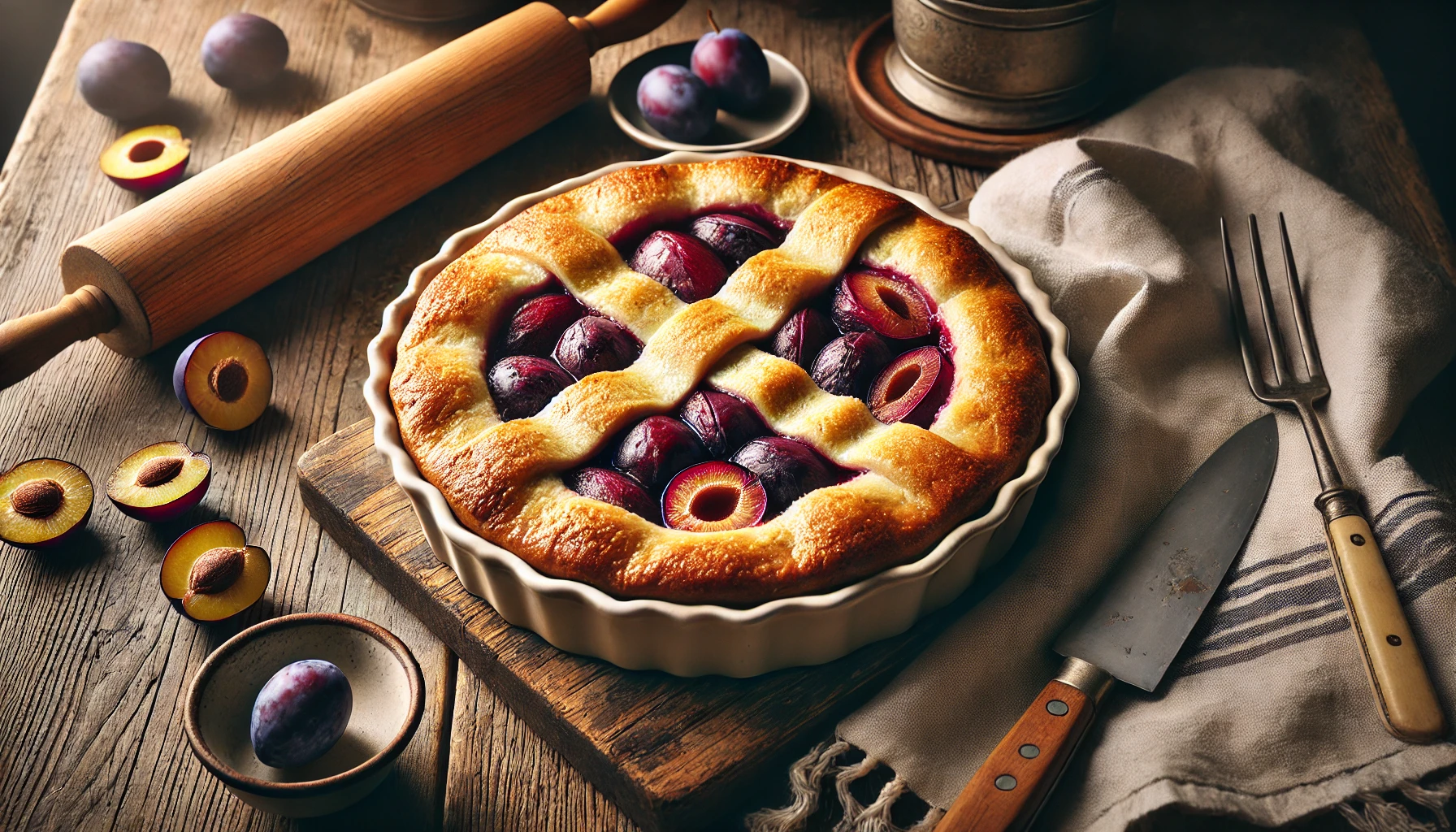
This double-crust plum pie has a tender, buttery sweet pastry wrapped around juicy plums, fragrant lemon zest and optional chopped walnuts. The fruit softens into a sweet-tart filling as the pastry turns golden. Chill the dough before rolling, cut vents in the top crust and bake until juices bubble visibly. Allow the pie to cool thoroughly before slicing so the filling can settle. The recipe makes eight slices from a 23 cm (9-inch) pie dish.
Double-crust plum pie is a baked fruit dessert with a sweet butter pastry base and lid. Ripe plums soften as they bake, lemon zest adds fragrance and optional walnuts give a little crunch. This version makes eight slices in a 23 cm (9-inch) pie dish. Allow about 3 hours 50 minutes, including a 30-minute pastry chill and at least two hours of cooling.
Choosing plums for the filling
Choose plums that yield slightly when pressed but are not collapsing or leaking juice. Weigh the fruit after removing the stones. Small plums can be halved, while large ones should be quartered so the pieces soften evenly. The separate 100 g filling sugar balances the tart fruit; another 100 g belongs in the pastry. Mix the cornstarch into the filling sugar before tossing with the plums to distribute it without lumps. The original amount of starch is retained, but exceptionally juicy fruit may yield a loose filling. A firmer result requires testing with the chosen variety.
Working with sweet butter pastry
This dough contains egg and sugar, so it behaves differently from a classic unsweetened flaky crust. Work cold butter into flour quickly and mix only until the egg binds the crumbs. Press the dough together rather than kneading it. Chilling helps the butter firm and the flour hydrate. Roll the larger disk for the base and the smaller one for the lid. If it cracks, patch it gently; do not pull it across the dish.
How to assemble and bake the pie
Prepare the filling just before lining the dish, as sugar draws juice from cut plums. Spread fruit evenly across the base, cover with the second sheet of pastry and seal the edges. Cut vents so steam can escape. A rimmed baking tray underneath catches escaping syrup. Bake until the top is golden and juice bubbles through the vents, then let the pie cool on a rack. King Arthur Baking’s pie guide explains why visible bubbling and thorough cooling are useful fruit-pie cues.
Recipe card
Double-Crust Plum Pie with Lemon and Optional Walnuts
Chill pastry 30 minutes and cool baked pie at least 120 minutes. Bake 40–45 minutes or longer if filling has not bubbled through vents.
Equipment: Kitchen scale, bowl, pastry cutter or fingertips, rolling pin, 23 cm (9-inch) pie dish, rimmed baking tray, knife and wire rack.
Ingredients
Sweet pastry
Plum filling
Instructions
Mix and chill the sweet pastry
Combine flour, the 100 g pastry sugar and salt. Rub in cold cubed butter until coarse crumbs form. Add beaten egg and mix just until the dough holds together when pressed. Do not knead smooth. Divide into two disks, one slightly larger for the base. Wrap and refrigerate 30 minutes.
Prepare the fruit filling
Preheat a conventional oven to 180°C (350°F). Halve and pit the plums; quarter particularly large ones. Mix the separate 100 g filling sugar with cornstarch, then toss with plums, lemon zest and optional walnuts just before assembling.
Roll and seal the pie
Roll the larger disk on a lightly floured surface to fit the 23 cm dish with a small overhang. If it cracks, let it soften briefly and patch rather than stretching. Add the filling evenly. Roll out the second disk, cover, trim excess and crimp edges firmly. Cut vents through the top. Set on a rimmed baking tray.
Bake and cool before slicing
Bake 40–45 minutes on a lower-middle rack, or until pastry is golden and thickened fruit juices bubble through the vents. Extend in 5-minute increments if needed and shield browning edges with foil. Cool on a rack at least two hours before cutting; chill longer if filling is still loose.
Troubleshooting the crust and filling
Soggy base: Do not leave sugared fruit sitting in the pastry before baking. Bake in a fully heated oven, on a lower-middle rack.
Dark edges: Shield the rim with foil while the middle finishes baking.
Loose filling: Check for bubbling and allow the pie to cool completely. Cornstarch cannot compensate for every variation in fruit moisture. Chill the pie before cutting if needed.
Broken slices: Cut through the top with a sharp knife, then slide a pie server beneath each wedge.
Serving ideas and related recipes
Serve plain with tea, or add vanilla ice cream or a little chilled cream. For a cake rather than a pastry pie, try our fresh plum and kefir cake. Our apple and pear crumble uses a simpler topping, and refrigerator plum jam is another way to use seasonal fruit.
Make ahead, storage and allergens
Prepare the pastry disks the day before if convenient. Refrigerate the baked pie once cooled and cover it to limit drying. Freeze individual slices if desired. The pie contains wheat, milk and egg, and walnuts if included. Keep nut-containing utensils separate when preparing food for people with nut allergies. Do not taste unbaked pastry.
Frequently asked questions
Can I use different plum varieties?
Yes. Use ripe but firm plums; very juicy fruit may produce a softer filling with the listed amount of cornstarch.
Why does the pastry crack when rolled?
Cold sweet pastry can be brittle. Let it soften briefly until pliable, then patch cracks with pieces of dough.
Can I omit walnuts?
Yes. They are optional and do not provide the main thickening.
Why is the filling runny?
Wait for bubbling through the vents and cool fully. The listed one tablespoon of cornstarch may produce a soft filling with juicy fruit; a firmer variation needs testing.
Can I make the dough ahead?
Wrap the disks and refrigerate up to one day. Let them soften just enough to roll.
Can frozen plums be used?
Fresh fruit is preferred. Thawed frozen plums can release more liquid; drain them well and expect a softer filling.
Why vent the top?
Vents let steam escape and provide a visible indication that fruit juices are bubbling.
More recipes to try

Cream Cheese Chocolate Truffles Rolled in Cocoa

Cream Cheese Cheesecake Danish with Lemon and Vanilla

Fresh Fruit Salad with Orange Honey Dressing

Ptichye Moloko Bird’s Milk Mousse with Chocolate Glaze
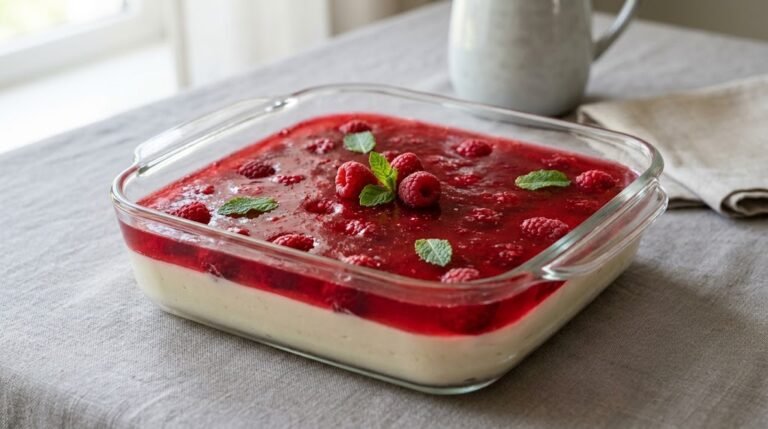
Bird’s Milk Jello with Creamy Mousse and Raspberry Jelly
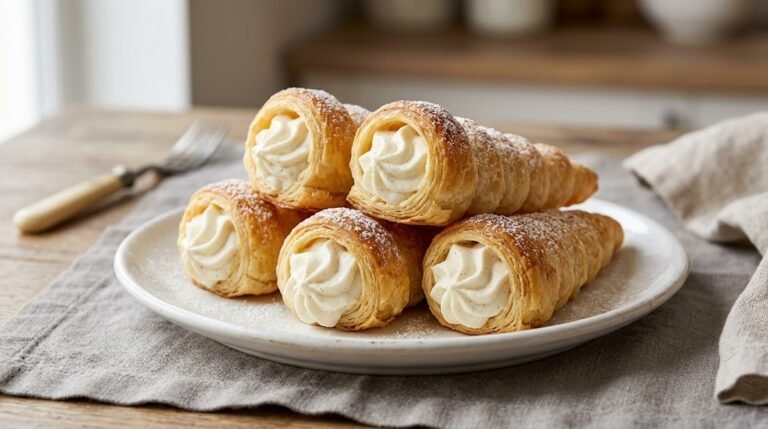
Cream Horn Trubochki with Vanilla Cream Filling
Spotted a detail that needs correcting? Contact the FeastDelights editors.