Split Pea Porridge with Golden Onion
Split pea porridge is a thick, savoury dish made by simmering dried split peas until they soften and begin to break down. Golden sautéed onion adds sweetness, and a little olive oil or butter rounds out the flavour. Use yellow or green split peas and stir more frequently towards the end of cooking, adding hot water if needed to prevent scorching. The recipe makes four side servings, with about fifteen minutes of preparation and up to ninety minutes of simmering. Mash completely for a smooth purée or leave a little texture.
Split pea porridge with golden onion is a savoury, spoonable side dish made with dried peas, water and sautéed onion. The peas soften into a thick purée without flour or another binder. This recipe serves four as a side and takes approximately 105 minutes, depending on how quickly the peas soften.
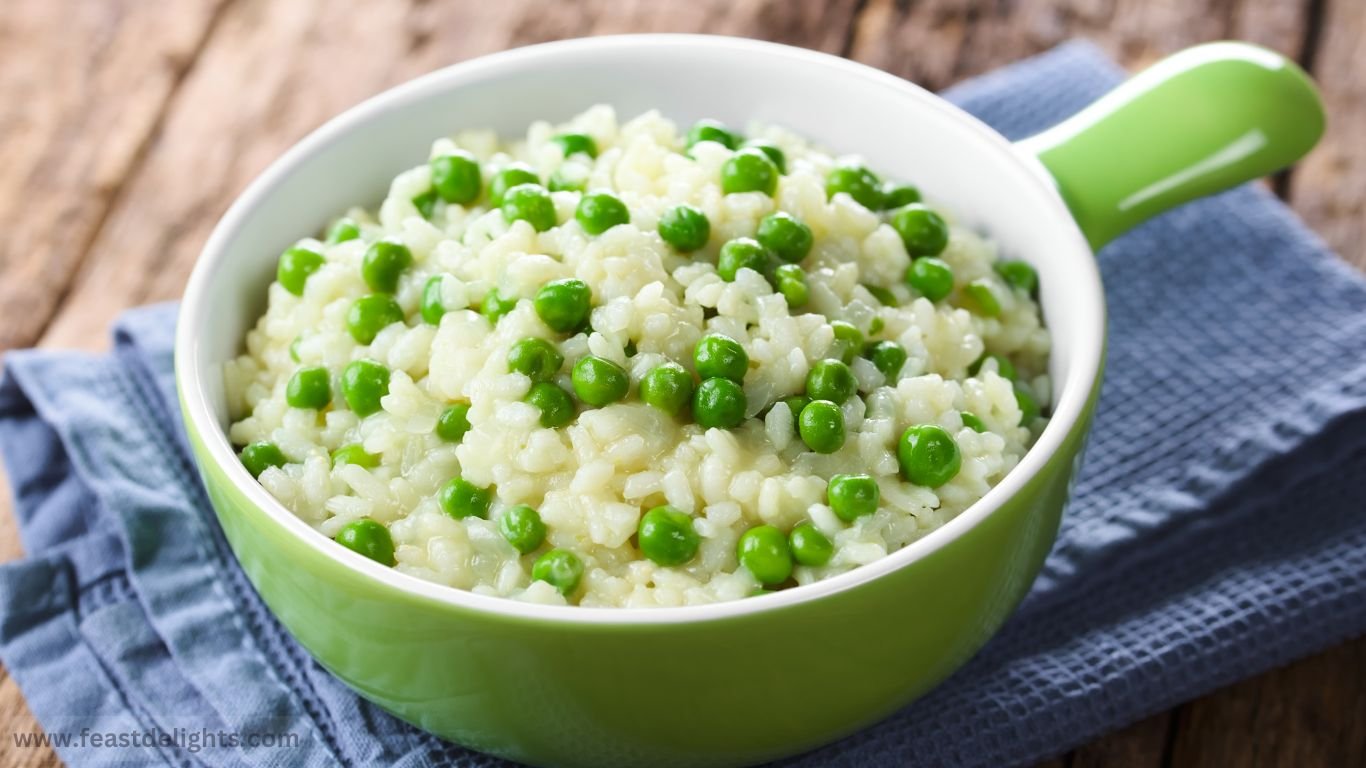
Recipe card
Split Pea Porridge with Golden Onion
Split peas may take 60–90 minutes or longer to soften, depending on age and variety. Cook to tenderness, not the clock.
Equipment: Measuring cups or scale, sieve, heavy lidded saucepan, small skillet, knife, cutting board, wooden spoon and optional potato masher
Ingredients
Pea base
Onion and seasoning
Instructions
Sort and rinse the split peas
Pick through the dry split peas and remove any stones or debris. Rinse in a fine sieve under running water until mostly clear. Split peas do not generally require soaking.
Sauté the onion separately
Heat the olive oil or butter in a small skillet over medium-low heat. Cook the diced onion for about 8–12 minutes, stirring until softened and golden, not burnt. Set aside, reserving some for garnish.
Simmer until the peas collapse
Place the rinsed peas and three cups water in a heavy saucepan. Bring to a boil, then reduce to a gentle simmer. Cover partially or leave uncovered as needed to prevent foaming over. Simmer 60–90 minutes, stirring periodically and more often as the mixture thickens.
Adjust the porridge texture
If the peas remain firm and the pot is drying, add hot water in small amounts and continue simmering until completely soft. For a smooth porridge mash gently, or leave some pea texture. The consistency should be spoonable, not watery or dry.
Season and serve
Stir most of the cooked onion into the softened peas. Season with salt and black pepper to taste. Spoon into four bowls and scatter the reserved onion over the top.
Choose split peas rather than whole dried peas
Yellow and green split peas are dried peas separated into halves. They have a shorter cooking time than whole dried peas and generally do not need an overnight soak. Rinse thoroughly and remove any debris. Older dried peas can take longer to become tender, so allow extra time rather than serving them firm.
The original ratio is one cup peas to three cups water. This is a starting point, not an instruction to let the pot boil dry. Add a little hot water if the peas are still firm and the liquid is low. Olive oil gives the onions a light savoury flavour; butter makes them richer. Use olive oil if keeping the dish plant-based.
Simmer gently and cook the onion separately
Cook the onion in a skillet until golden, then set aside. Keeping it separate lets you stir most into the porridge while reserving some for the topping. Place the peas and water in a heavy saucepan and bring to a boil. Reduce the heat to maintain a gentle simmer; leave the lid slightly open if the pot tends to foam.
Stir periodically at first. As the peas soften, they release starch and the mixture thickens, so scrape the bottom more frequently. The peas are ready when they crush easily under a spoon and have no hard centre. Mash with a potato masher if you prefer a uniform purée. The finished dish should mound gently on a spoon, then relax rather than hold a rigid shape.
Troubleshooting
Peas remain hard: continue simmering with sufficient water. Porridge too thin: simmer uncovered until the excess water evaporates, stirring often. Too thick: add hot water a little at a time. Scorched base: transfer the unburnt portion to a clean pot without scraping the burnt layer, then lower the heat. Avoid adding acidic pickles or vinegar until the peas are tender.
Serving ideas and related dishes
Top the bowl with golden onion and a little pepper. Serve beside roast vegetables, pickled cucumber or meat. The thick texture makes this a different dish from our split pea soup with potato and carrot and split pea soup with ham. For a different pulse-based meal, see black-eyed pea stew.
Make ahead and reheat safely
Cool leftovers promptly in shallow containers and refrigerate within two hours, or one hour above 32°C (90°F), at 4°C (40°F) or colder. Use within three days. Freeze portions for up to three months for best quality and thaw in the refrigerator. Reheat to 74°C (165°F), stirring in a little water to loosen the thickened porridge. See FoodSafety.gov’s safe handling guidance. Butter contains milk; check labels and accompaniments for additional allergens.
Frequently asked questions
Do split peas need soaking?
Usually not. Rinse and simmer directly; older peas may take longer. Whole dried peas are a different ingredient and may require soaking.
Can I use green instead of yellow split peas?
Yes. Colour and flavour differ slightly and cooking time varies, so check tenderness and add water if needed.
Why are my split peas still hard?
Older peas may soften slowly. Keep enough water in the pan and continue simmering; avoid adding acidic ingredients before the peas soften.
Why is my pea porridge thick after cooling?
The cooked pea starch continues to thicken as it cools. Add a little water when reheating, stirring until the desired texture returns.
Is this recipe vegan?
Choose olive oil rather than butter and check any accompaniments. The listed olive-oil version contains no intentional animal ingredients.
Can I freeze split pea porridge?
Yes. Cool promptly, freeze in portions and thaw in the refrigerator. Reheat with a little water until hot throughout.
More recipes to try


Spotted a detail that needs correcting? Contact the FeastDelights editors.