Split Pea and Ham Hock Soup with Potatoes
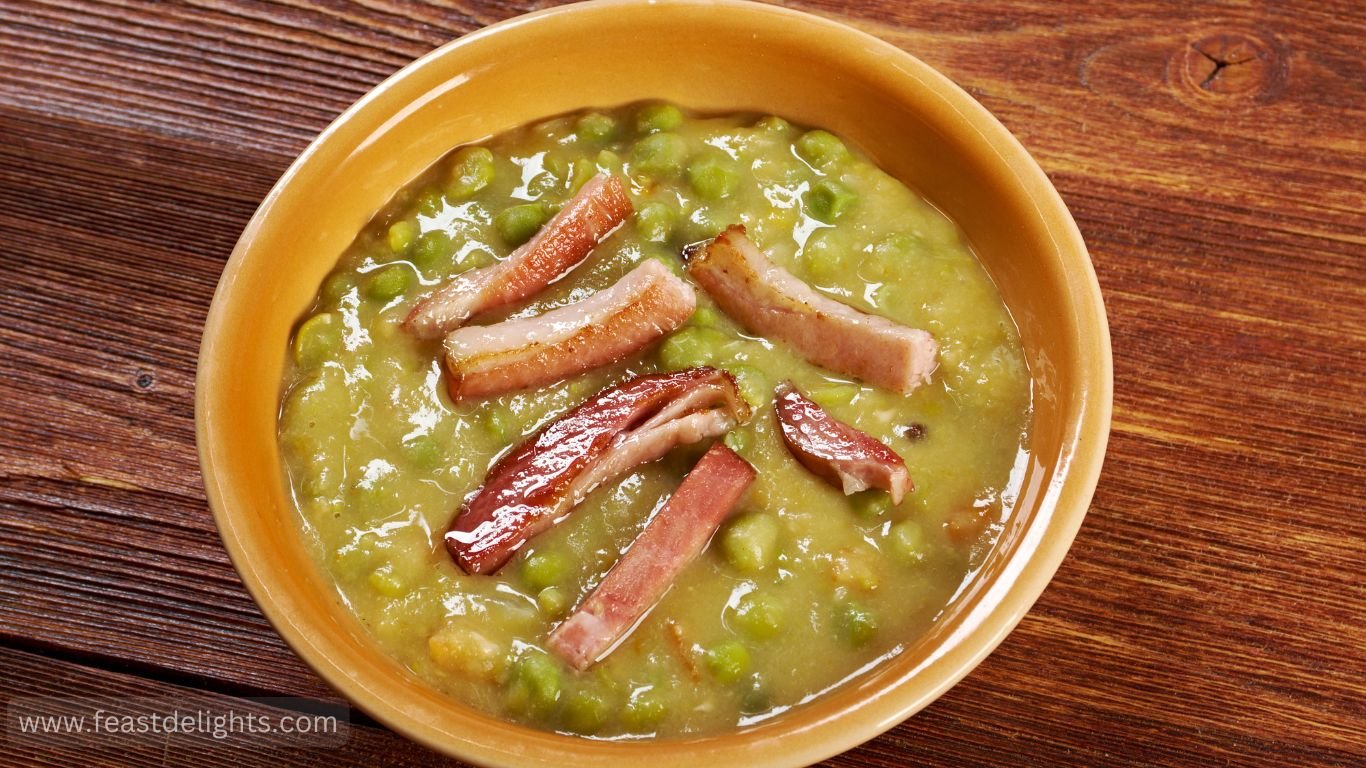
Split pea and ham hock soup is a thick, smoky soup with tender shredded pork, carrots, onion and diced potatoes. Dried split peas soften into the broth as the ham hock simmers on the bone, giving the soup body without cream. This British-inspired version makes eight bowls, with around 20 minutes of preparation and two hours of gentle cooking. Check the hock for tenderness before serving and allow longer if necessary. Serve with crusty bread and chopped parsley.
This split pea and ham hock soup uses a whole smoked hock to flavour the broth as it cooks. Dried split peas break down to give the soup a thick, velvety texture, while carrots, onion and potatoes make it substantial enough for a meal. The recipe makes eight bowls and takes about two hours and 20 minutes, with most of that time spent simmering.
Recipe card
Split Pea and Ham Hock Soup with Potatoes
Allow around 120 minutes of cooking, including the overlapping vegetable sauté. Extra simmering may be needed for an older batch of peas or a tough hock.
Equipment: 5–6 litre heavy-bottomed soup pot with lid, frying pan, colander, knife, chopping board, tongs, ladle and food thermometer
Ingredients
Soup base
Vegetables
Soup base
Vegetables
Finishing
Instructions
Start the ham hock broth
Check the ham hock label for cooking requirements. Place the hock, water and bay leaves in a 5–6 litre pot. Bring to a boil, reduce to a gentle simmer and partly cover for 60 minutes. Skim any foam.
Soften vegetables and add split peas
Pick over and rinse the dried peas. During the first simmer, soften the diced onion and carrots in vegetable oil over medium heat for about six minutes. Add them and the peas to the broth and simmer for 35 minutes, stirring occasionally.
Simmer with potatoes
Add the diced potatoes and cook for another 20–25 minutes until the potatoes are fork-tender and peas squash easily. Stir more frequently as the soup thickens. Add hot water if needed.
Remove the bones and shred the ham
Check that the hock is tender and follows the package's safe cooking directions. For uncooked ham, reach at least 63°C (145°F) in the thickest meat away from bone and rest three minutes; continue cooking until it pulls apart easily. Lift onto a plate using tongs, remove skin, bones and any fragments, shred the meat and return it to the pot. Remove bay leaves.
Adjust the consistency and serve
Bring the soup back to a simmer, thin with hot water if necessary and season with black pepper. Taste before adding any extra salt because the hock may already be salty. Scatter parsley over eight bowls.
Choosing the ham hock and split peas
A smoked ham hock is a bone-in cut from the lower part of the pig’s leg. The bone, connective tissue and cured meat give the cooking liquid a savoury character. Smoking alone does not guarantee that the meat is ready to eat. Read the label before using it. The original recipe uses a 700 g hock with two litres of water and 400 g dried split peas; the amount of edible meat will vary according to the bone and skin.
Green or yellow split peas work here. They are dried, hulled peas, not fresh garden peas. Sort them for small stones and rinse in a colander. Unlike many whole dried beans, split peas generally do not require soaking, although packet instructions take precedence. Old peas can take longer to soften.
Build a smoky broth before adding the peas
Start with the hock, bay leaves and water in a large pot. Once boiling, reduce the heat so small bubbles rise steadily. A violent boil evaporates water rapidly and makes it harder to control the final consistency. During this first hour, prepare the vegetables. Softening onion and carrot in a little oil develops a sweeter flavour than simply adding them raw.
Add the peas and sautéed vegetables after the broth has had time to develop. As the peas soften, they release starch and sink towards the bottom. Stir periodically with a wooden spoon, reaching the bottom of the pot. The longer the peas cook, the smoother the soup becomes. Add the diced potatoes later so that they soften without completely dissolving.
Check tenderness and avoid bone fragments
The soup is ready when the potatoes yield to a fork, the split peas can be crushed easily and the ham separates from the bone without force. If the peas or meat remain firm, extend the simmer rather than serving them according to the clock. For ham that requires cooking, follow the manufacturer’s instructions and use a thermometer; the minimum for uncooked ham is 63°C (145°F) with a three-minute rest, according to FoodSafety.gov. The hock may need significantly longer to become tender.
Lift the hock out carefully with tongs and separate the edible meat on a plate. Discard the skin, bones and small fragments. Remove both bay leaves before returning the shredded meat. For a smoother soup, mash some of the peas against the pot with a spoon before returning the ham. Avoid blending while bones remain in the pot.
Troubleshooting and variations
If the soup is too thick, add hot water gradually and stir. If it is too thin, simmer uncovered briefly while stirring to prevent sticking. If the hock is salty, dilute the broth before adding any extra seasoning. A meaty ham bone is a reasonable alternative, but a bone with very little meat yields fewer pieces of ham. Yellow split peas, diced celery or a little smoked paprika offer simple variations.
The listed ingredients do not contain obvious wheat or dairy ingredients, but check the ham label and any additions for allergens and cross-contact. This recipe contains pork and is not vegetarian.
Serving ideas
Serve with crusty French baguette and a fresh cabbage and cucumber salad. If you have boneless ham instead of a whole hock, compare the split pea soup with ham and thyme, which has a different seasoning and preparation.
Make ahead, freeze and reheat
This soup thickens as it cools. Divide it into shallow containers rather than leaving a large hot pot at room temperature. Refrigerate promptly or freeze in meal-sized portions. When reheating, stir in a little water, bring to a rolling boil and check that the soup reaches 74°C (165°F). Stir well so thick areas heat evenly. Potatoes may soften further after freezing, but the split pea base generally reheats well.
Frequently asked questions
Do split peas need soaking?
Usually no. Sort and rinse dried split peas, then simmer them until soft. Follow the packet if it specifies soaking.
Can I use yellow split peas?
Yes, use the same weight. Colour and flavour will differ slightly, and cooking time may vary.
Is smoked ham hock already cooked?
Not always. Check the packaging; some smoked hocks must be cooked before eating. Follow the label and use a food thermometer.
Why are my split peas still hard?
Older dried peas can take longer. Keep them submerged and simmer gently until soft before serving.
Why is my soup so thick the next day?
Split peas continue absorbing liquid as the soup cools. Stir in water a little at a time during reheating.
Can I substitute a ham bone?
Use a meaty ham bone for a similar broth, but the amount of shredded meat may differ. Follow safe cooking directions for the type of ham used.
Can I freeze this soup?
Yes. Cool promptly in shallow containers and freeze individual portions; potatoes may become a little grainy when thawed.
More recipes to try




Spotted a detail that needs correcting? Contact the FeastDelights editors.