Cream Cheese Buttercream for Soft Swirls and Piping
This cream cheese buttercream is a smooth, tangy frosting made with full-fat block cream cheese, butter, powdered sugar and vanilla. Beating the butter and sugar first, then briefly mixing in cold cream cheese, helps limit softening. The relatively high proportion of cream cheese produces a softer frosting suitable for spreading and simple chilled swirls, rather than tall decorations in a warm room. Allow 15 minutes to mix and 20 minutes to chill. The original batch yields approximately two cups, depending on how much air is incorporated.
Cream cheese buttercream combines the tang of cream cheese with the richness of butter and the sweetness of powdered sugar. This no-cook version is especially useful for spreading over cakes and piping simple swirls onto cupcakes when the frosting is cool. It takes about 35 minutes, including a 20-minute chill, and makes approximately two cups.
Because this recipe uses 250 g cream cheese to 100 g butter, expect a softer finish than a butter-heavy decorating frosting. It is not designed for tall flowers, prolonged room-temperature display or warm outdoor events. Test the texture before filling a piping bag.
Ingredients and equipment
Use full-fat firm block cream cheese, not whipped or spreadable cheese from a tub. Brands vary in moisture and firmness, so even block cheese can give slightly different results. Butter should be pliable enough to beat but still cool; melted butter cannot provide the same structure. Weigh the powdered sugar and sift it to remove lumps. Vanilla adds flavour without introducing much extra liquid. The tablespoon of cream is optional and best reserved for a frosting that will be spread rather than piped.
A scale, mixing bowl, electric mixer with beaters or paddle, sieve and flexible spatula are sufficient. For piping, prepare a bag and a large open-star or round nozzle. Make sure the cake or cupcakes are completely cold before decorating.
Recipe card
Cream Cheese Buttercream for Soft Swirls and Piping
Assumes the butter is already softened but cool. Chill about 20 minutes; allow longer if needed for simple piping.
Equipment: Kitchen scale, mixing bowl, electric mixer, sieve, spatula, piping bag and nozzle if needed.
Ingredients
Frosting
Optional adjustment
Instructions
Beat the softened butter
Put softened but cool butter in a mixing bowl. Beat with a paddle or hand mixer for 2–3 minutes until smooth and slightly lighter. Scrape the bowl. If the butter is greasy or melting, cool it before continuing.
Blend in powdered sugar
Add sifted powdered sugar in several portions on low speed, scraping the bowl between additions. Beat just until smooth and cohesive. The mixture will be quite thick before the cheese is added.
Briefly mix in cold cream cheese
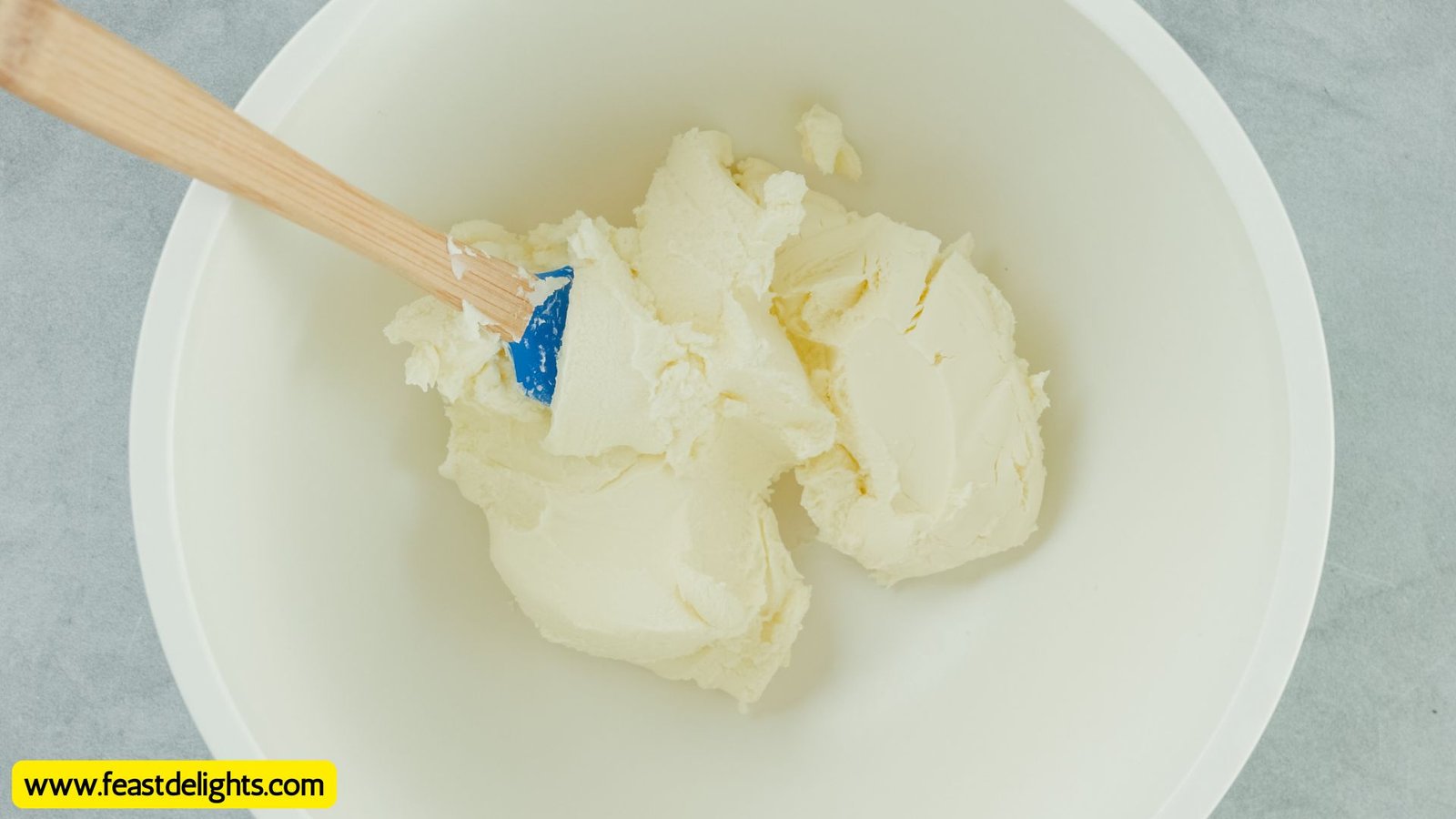
Cut the cold block cream cheese into small pieces. Add in portions on low speed and mix only until the frosting is uniform, with no visible lumps. Stop promptly; prolonged beating can loosen cream cheese frosting.
Adjust, chill and pipe
Mix in vanilla briefly. For spreading only, if the frosting is unusually firm, add optional cream a teaspoon at a time, up to the listed tablespoon. Omit cream for piping. Cover and chill about 20 minutes, then test a small swirl. If it holds a soft peak, pipe simple decorations onto completely cooled cakes. Refrigerate promptly.
Why the mixing order matters
Start with the butter and powdered sugar. This creates a smooth base before the cheese is incorporated. Add the cold cheese in pieces and mix only until smooth. Cream cheese frosting can become looser when beaten for too long, particularly when the ingredients warm up. Scrape the bowl rather than continuing to whip in the hope that the frosting will become stiffer.
Chill the finished frosting for about 20 minutes. Lift a little with a spatula: it should form a soft peak without immediately flowing off. Pipe a trial swirl onto a plate before decorating a whole batch. If the ridges soften quickly, use the frosting as a spread or filling instead. Chilling may improve firmness but cannot turn this ratio into a stiff flower-piping buttercream.
Troubleshooting the texture
Runny frosting: Stop mixing and refrigerate the bowl. Check that firm block cheese was used and the butter was not melted. Do not add cream. Lumps: Cut the cheese into smaller pieces and beat the butter smooth before adding sugar. If small lumps remain, press them against the side of the bowl with a spatula. Grainy texture: Sift powdered sugar and avoid prolonged mixing. Too firm to spread: Allow a short softening period, then add cream only if necessary and in teaspoon increments.
Using cream cheese buttercream
Spread it over our carrot cake with walnuts and cinnamon or use it as a chilled filling for red velvet layer cake. For a different flavour, see chocolate cream cheese frosting. A little finely grated lemon zest can add aroma without much liquid. For a looser glaze specifically intended for warm rolls, see our cream cheese frosting for cinnamon rolls.
The estimated two-cup yield varies with mixing and ingredient density. It may cover a small cake or a modest number of cupcakes, depending on thickness and decoration size. Check the required quantity before starting a large cake.
Make ahead and food safety
Refrigerate this frosting and any desserts decorated with it at 4°C (40°F) or colder. Use within three days and avoid leaving it at room temperature for more than two hours in total, or one hour above 32°C (90°F), following FoodSafety.gov guidance. Let chilled frosting soften only briefly before stirring and spreading. Freezing may alter the texture, so refrigeration is preferable when using it within a few days. Contains milk; check powdered sugar, vanilla and any decorations for other allergens.
The original ingredient amounts are unchanged. The corrected timing reflects a no-cook frosting, and the piping recommendation is deliberately limited to simple chilled decorations. Actual stability and yield need kitchen confirmation.
Frequently asked questions
Can this frosting hold tall piped flowers?
Not reliably. The cream-cheese-heavy formula is better for simple swirls, spreading and borders when chilled. Use a specifically formulated decorating buttercream for tall flowers.
Why did my frosting become runny?
Warm butter, spreadable cream cheese or prolonged mixing can soften the mixture. Chill before testing again and avoid adding cream.
Should the cream cheese be cold?
Yes, use firm cold block cheese cut into small pieces so it incorporates quickly without prolonged whipping.
Can I reduce the powdered sugar?
Reducing sugar changes structure as well as sweetness. This formula already uses a relatively modest amount, so reducing it may make piping less reliable.
Can I use tub cream cheese?
It is often softer and may contain more water. Firm full-fat block cheese is preferable for this recipe.
Can I make it ahead?
Yes, refrigerate covered for up to three days. Let it soften briefly only until workable and stir gently before using.
Can I frost a warm cake?
No. Cool cakes fully first; warmth can melt the butter and loosen the frosting.
More recipes to try






Spotted a detail that needs correcting? Contact the FeastDelights editors.