Mont Blanc Chestnut Dessert with Meringue and Cream
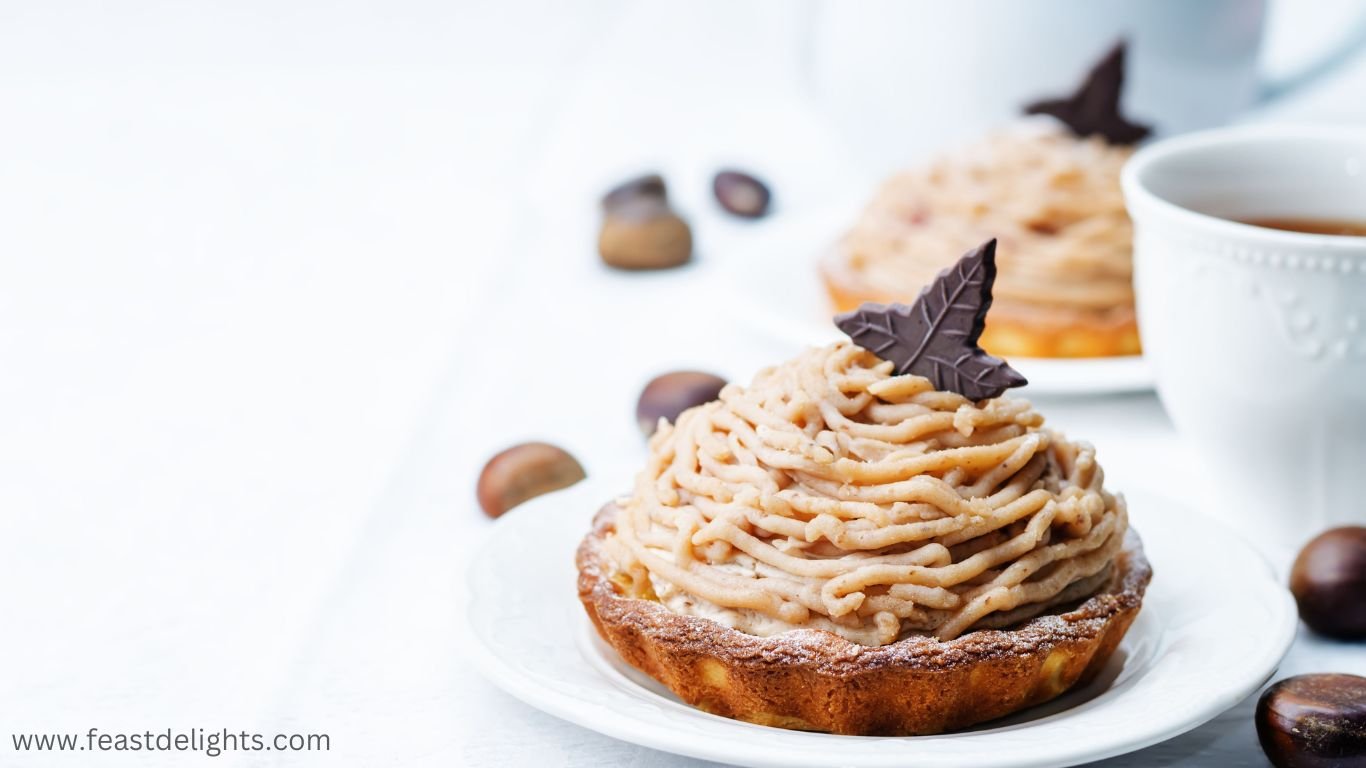
Mont Blanc combines crisp meringue nests, softly whipped vanilla cream and fine strands of sweet chestnut purée. The contrasting textures are the appeal: dry, light meringue underneath a cool cream centre and a dense, nutty topping. Use cooked peeled chestnuts to simplify preparation, and allow the purée and meringues to cool completely before assembly. This version makes six individual desserts, with grated dark chocolate to finish. Prepare the separate components ahead and assemble shortly before serving so the meringue stays crisp.
Mont Blanc is a chestnut dessert named for the Alpine mountain. This version uses six baked meringue nests, vanilla whipped cream and a homemade sweetened chestnut purée. Allow about 4 hours 20 minutes including drying and cooling; the components can be prepared separately.
Choosing the chestnuts and cream
Use 500 g (about 1.1 lb) unsweetened cooked, peeled edible chestnuts, not sweetened chestnut spread. Vacuum-packed or canned chestnuts work; drain canned ones first. Do not use horse chestnuts, which are not edible. Whole milk helps soften the chestnuts and the vanilla bean perfumes the purée. Use cold heavy cream suitable for whipping, around 35% fat. The 300 ml each of milk and cream are approximately 1¼ US cups each.
Making stable meringue nests
Use a scrupulously clean bowl and whisk; traces of yolk or grease inhibit foaming. Fine sugar dissolves more readily than coarse crystals. Add the 200 g sugar (about one US cup) gradually after soft peaks form. Whisk until stiff glossy peaks stand upright. Spoon six equal nests onto parchment, creating a shallow depression in each. Dry at 100°C (approximately 210°F). The nests should feel firm and release easily once cool. If they remain sticky, allow longer drying; humidity changes the timing. Leave them in the switched-off oven until cool.
Recipe card
Mont Blanc Chestnut Dessert with Meringue and Cream
Conservative elapsed estimate: 90 minutes baking, 25 minutes simmering and about 100 minutes cooling. The chestnuts can simmer while the meringues bake; humidity may increase drying time.
Equipment: Electric mixer, two bowls, lined baking trays, saucepan, blender, ricer or fine sieve, piping bag with fine plain tip, cooling rack
Ingredients
Meringue nests
Chestnut purée
Vanilla cream
Finish
Instructions
Whip egg whites
Preheat to 100°C (210°F). Beat whites and salt in a grease-free bowl to soft peaks, then gradually beat in fine sugar until glossy stiff peaks form.
Shape and dry nests
Pipe or spoon six equal nests on parchment-lined trays. Bake about 90 minutes until firm and dry; switch off oven and cool completely inside, allowing extra time if humid.
Simmer chestnuts
Combine cooked peeled chestnuts, whole milk, granulated sugar and split vanilla bean. Simmer gently 20–25 minutes until very soft, stirring occasionally.
Purée and cool
Remove vanilla pod. Blend safely with just enough cooking milk for a thick paste, then press through a fine sieve or ricer. Cool promptly and refrigerate until cold.
Whip cream
Whip cold heavy cream with icing sugar and vanilla to medium-stiff peaks. Keep chilled.
Assemble six desserts
Divide cream among cooled meringues. Pipe cold chestnut purée in fine strands over cream and finish with grated chocolate. Serve promptly.
Getting a smooth chestnut topping
Simmer the cooked chestnuts in milk, sugar and split vanilla until they crush easily with a spoon. Remove the vanilla pod. Blend with only enough cooking milk to form a smooth paste. Avoid sealing very hot liquid in a countertop blender; follow the appliance instructions and work in small portions. Press the paste through a fine sieve or ricer, then cool promptly in a shallow container. A thick paste should hold a strand when piped; if it is too stiff, add a teaspoon of reserved milk at a time. If too loose, gently reduce it before cooling again. Cool to refrigerator temperature before piping over cream.
Assembly and serving
Whip cold cream with icing sugar and vanilla to medium-stiff peaks, stopping before it becomes grainy. Divide it over the cooled nests. Pipe the chestnut paste in thin strands around each mound using a fine plain tip or a clean ricer. Grate the chocolate over the top. Assemble only the portions needed, because moisture from the cream softens meringue. Serve cold or shortly after assembly. For other individual or chilled desserts, see raspberry swirl cheesecake or matcha layer cake; honey walnut pinwheels offer a crisp accompaniment.
Make ahead and allergens
Store the dry nests separately from the dairy components. Use pasteurised egg whites suitable for whipping if concerned about egg safety; do not taste uncooked meringue. The dessert contains eggs, milk and chestnuts. Check chocolate for other allergens. The original source supplied incomplete instructions, so these retained proportions and piping consistency need human kitchen confirmation.
Frequently asked questions
Can I use chestnut spread?
Sweetened spread is not a direct replacement for cooked chestnuts and sugar; sweetness and consistency would need adjustment.
Why are my meringues sticky?
Humidity or insufficient drying can leave them sticky; extend drying and store airtight only when cool.
How can I pipe chestnuts without a special nozzle?
Use a fine plain piping tip or a clean potato ricer.
Can I assemble the night before?
Keep components separate and assemble shortly before serving so the nests stay crisp.
Why did the cream turn grainy?
It was probably overwhipped. Stop at medium-stiff peaks.
Can I freeze the components?
Dry meringue is best stored airtight; freeze chestnut purée separately if needed, thaw in the refrigerator and stir.
More recipes to try






Spotted a detail that needs correcting? Contact the FeastDelights editors.