Soft Cottage Cheese Cookies with Butter and Vanilla
These soft cottage cheese cookies have a tender, lightly sweet centre, a delicate vanilla aroma and pale golden edges. Well-drained cottage cheese or farmer cheese adds moisture to a simple butter and baking powder dough. The recipe makes about 24 cookies, shaped into balls and flattened slightly before baking. Allow roughly an hour for two trays baked in succession, with extra time if the dough needs chilling. Cool fully before storing and refrigerate the moist cookies.
Soft cottage cheese cookies combine drained fresh cheese, butter, sugar and vanilla in a tender, gently risen cookie dough. They are softer than crisp butter biscuits, with lightly golden edges. The batch makes about 24 cookies in roughly 64 minutes when baked in two trays, plus optional chilling if the dough is sticky. Weigh the cheese after draining and avoid adding unnecessary flour.
What makes these cookies soft?
Fresh cheese contributes moisture and small tender curds, while butter gives the dough a rich flavour. Unlike folded goose-foot cottage cheese cookies, this recipe uses a simple creamed butter dough shaped into rounds. The baking powder adds a modest lift rather than producing a cake-like rise.
Choose the cheese and flour carefully
Use 200 g (about 7 oz) cottage cheese or farmer cheese after draining. Cottage cheese sold in tubs may have a loose creamy dressing; strain off excess liquid in the refrigerator and weigh the drained curds. Dry farmer cheese may need little draining. Mash large curds with a fork if you prefer a more even crumb. Use pasteurized dairy.
Soften 100 g (about 3.5 oz) unsalted butter until it yields when pressed but is not melted or oily. The 150 g sugar is the original quantity and gives a moderately sweet cookie. One large egg binds the dough; adding another egg changes the moisture balance. Use plain flour, not self-raising flour, because the baking powder is measured separately. Weigh all 300 g flour and incorporate it gradually; different cheeses vary considerably in moisture. Vanilla extract provides the main aroma.
Mix and shape the dough
Preheat a conventional oven to 180°C (350°F) and line two baking trays. Beat the softened butter and sugar until creamy, then add the egg and vanilla. Mix in the drained cheese, scraping the bowl to distribute it. Whisk the flour, baking powder and salt separately, then stir into the wet mixture just until a cohesive dough forms. Avoid prolonged beating after adding flour, and do not taste raw dough.
The dough should be soft enough to shape without sticking heavily to your hands. If it is unusually sticky, chill it for about 20 minutes before adding extra flour. If it still cannot be shaped, add flour a tablespoon at a time and record the adjustment; the original flour quantity is the starting formula. Divide into 24 equal portions, approximately 33–35 g each depending on losses. Roll gently into balls and flatten slightly on the lined trays, leaving space for spreading. Avoid pressing them very thin because they will bake more quickly and lose their soft centres.
Recipe card
Soft Cottage Cheese Cookies with Butter and Vanilla
25 minutes preparation, about 34 minutes for two trays at 15–18 minutes each, and 5 minutes initial cooling after the last tray. Add 20 minutes if chilling sticky dough, and allow further cooling before storage.
Equipment: Digital scale, sieve, mixing bowls, whisk or mixer, spatula, two lined baking trays and cooling rack.
Ingredients
Cookie dough
Instructions
Cream butter and sugar
Preheat conventional oven to 180°C (350°F). Line two trays. Beat softened butter and sugar until creamy.
Mix in egg and cheese
Beat in egg and vanilla, then mix in well-drained cheese, mashing large curds if desired.
Add flour mixture
Whisk flour, baking powder and salt. Stir into wet mixture just until a soft cohesive dough forms.
Shape 24 cookies
If sticky, refrigerate 20 minutes. Divide into 24 equal balls, arrange on trays with space between them and flatten slightly.
Bake and cool
Bake one tray at a time for 15–18 minutes until set with pale golden edges and no raw dough inside. Rest on trays 5 minutes, then transfer to a rack. Cool promptly before refrigerating.
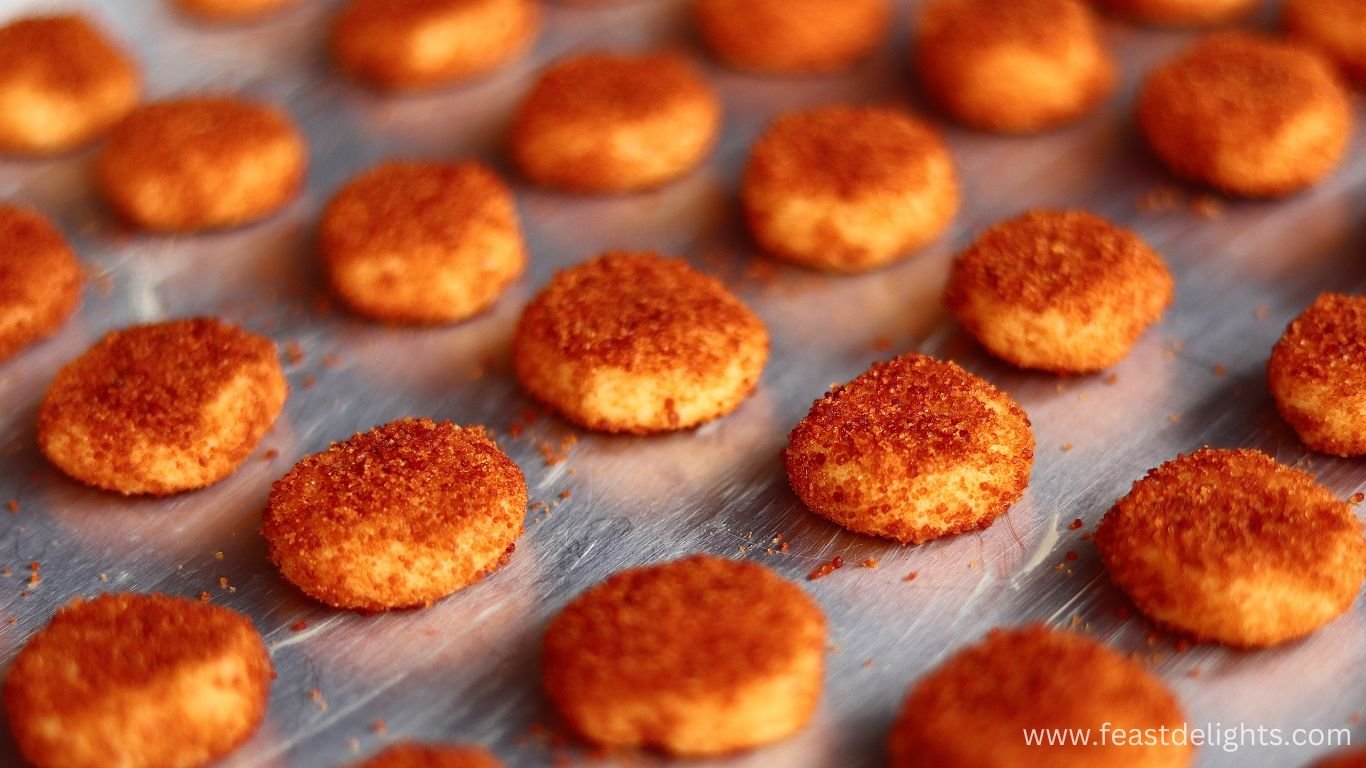
Bake until the edges turn pale gold
Bake one tray at a time for 15–18 minutes. The tops should be set and the edges lightly golden. Lift a cookie carefully with a spatula to check that the underside is cooked; the centre should not contain wet raw dough. If the outside darkens before the centre sets, check the oven temperature and make the next portions slightly smaller. Let each tray stand for five minutes, then move the cookies onto a rack. They may feel delicate while hot and firm as they cool.
Troubleshooting
Sticky dough: drain the cheese thoroughly, chill and use extra flour only if needed. Excessive spreading: butter may be too warm or the cheese too wet. Chill shaped cookies briefly. Dry or tough cookies: too much flour or baking beyond light browning can be responsible. Uneven baking: weigh portions and use a single middle rack; allow the tray to cool before reusing it.
Serving and variations
Serve with tea, fresh berries or a light dusting of icing sugar. Add finely grated lemon zest to the butter mixture for a citrus aroma or fold in a small amount of finely chopped dried apricots. Well-drained ricotta may work, but its moisture and texture vary. For another cheese dessert, see the no-bake cottage cheese cheesecake or homemade farmer cheese. The cookies contain milk, wheat and eggs. A dairy-free or egg-free version needs separate recipe development; a simple swap is not established.
Make ahead and storage
Drain the cheese and measure the ingredients in advance. If necessary, cover and refrigerate the dough for a short period before baking. Cool promptly on a rack and refrigerate in a covered container at 4°C (40°F) or below within 2 hours of baking (1 hour above 32°C/90°F). Use within 3 days. Freeze cooled cookies for up to 2 months for best quality; thaw refrigerated. Avoid extended room-temperature storage of these moist cheese cookies. This conservative storage guidance reflects the moist fresh-cheese formulation, rather than assuming it has the shelf life of a dry biscuit. For general cooling guidance, see FoodSafety.gov.
Serve the cookies once cooled, when their lightly golden edges and tender cheese crumb are distinct.
Frequently asked questions
Can I use farmer cheese instead of cottage cheese?
Yes, use the same drained weight. Dry farmer cheese may need less draining and gives a finer crumb.
Why is my dough sticky?
The cheese may be too wet or butter too warm. Chill first and add flour only in small increments if needed.
Should the cookies be crisp?
No. These are intended to have tender centres and lightly golden edges.
Do I need a mixer?
A hand mixer is convenient for creaming, but softened butter and sugar can be mixed with a sturdy spoon.
Can I bake both trays together?
One tray at a time is the more predictable starting method. If your oven handles two trays evenly, the total time may be shorter.
Can I freeze the cookies?
Yes, freeze fully cooled cookies in a covered container and thaw refrigerated.
More recipes to try






Spotted a detail that needs correcting? Contact the FeastDelights editors.