Steamed Spotted Dick with Currants and Lemon
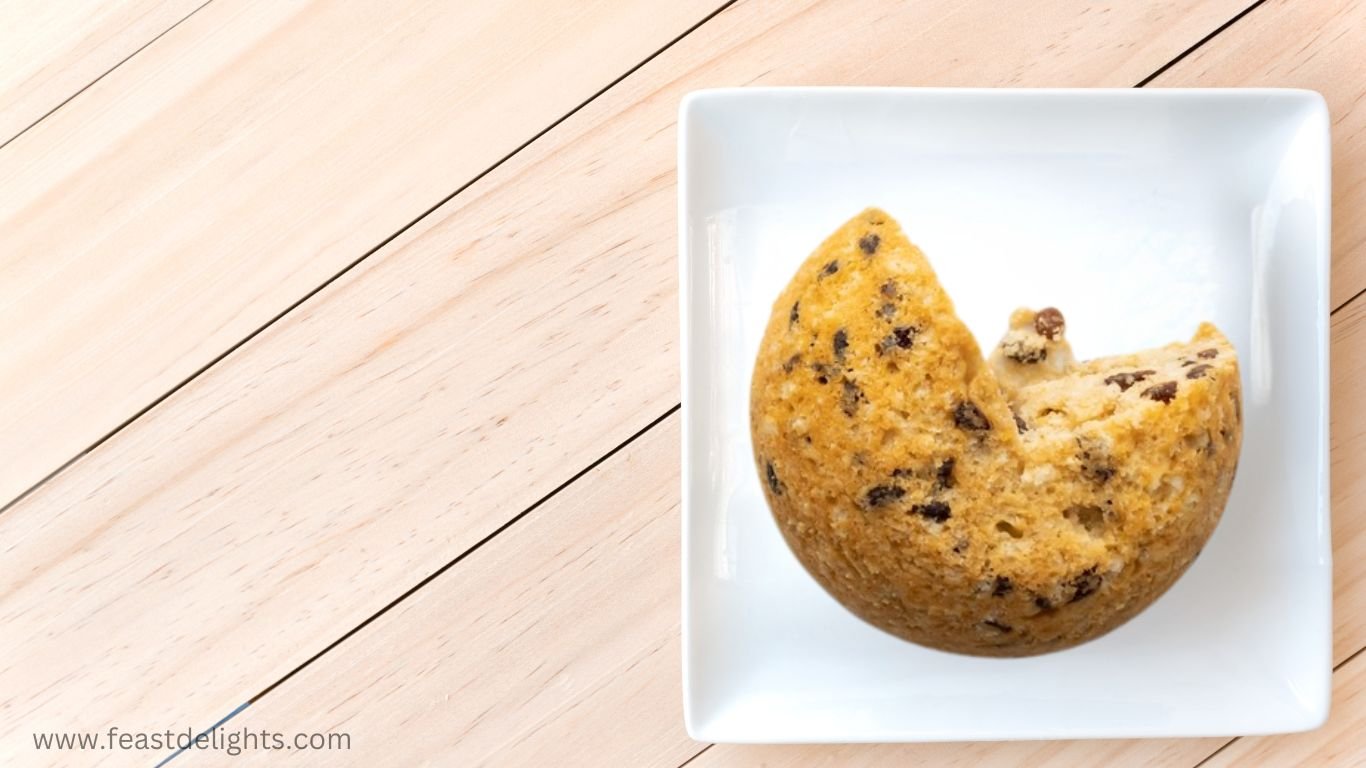
Spotted dick is a British steamed pudding dotted with dried currants and flavoured with lemon zest. This butter-based adaptation uses self-raising flour and cold grated butter in place of traditional suet, giving a soft, rich crumb. The pudding cooks slowly in a covered heatproof basin over simmering water, rather than in a dry oven. Allow about two and a half hours including preparation and a short rest. It serves six and is traditionally enjoyed warm with custard.
Make this British steamed spotted dick with currants, lemon zest and grated cold butter. Allow 20 minutes preparation, up to 120 minutes steaming and 5 minutes resting. Use a heatproof pudding basin with enough space for expansion and a deep lidded pot with a stable trivet.
Choosing flour, butter and dried fruit
Traditional spotted dick commonly uses shredded suet. The existing recipe substitutes cold grated butter; this produces a different crumb and is best described as a butter-based adaptation. Use 250 g self-raising flour (roughly two US cups), which already contains raising agents, and 125 g cold unsalted butter (about 9 tablespoons). Grate the butter just before mixing so it remains in small pieces. Use dried currants or raisins, not fresh berries. The 150 g dried fruit provides the dark spots in the pale pudding. Grate only the coloured outer layer of a washed lemon.
Start with part of the 150 ml milk (about ⅔ US cup) and add the remainder gradually. Flour absorption varies. The mixture should be thick and soft enough to drop from a spoon, not a runny cake batter.
Recipe card
Steamed Spotted Dick with Currants and Lemon
Steam 105–120 minutes or longer if the centre is not set. A larger or differently shaped basin may affect timing.
Equipment: Heatproof 1–1.5 litre pudding basin, deep lidded pot, stable trivet, grater, bowl, parchment, foil, kitchen string, skewer, oven gloves
Ingredients
Pudding
Basin
Serving
Instructions
Prepare the basin and steamer
Grease a heatproof pudding basin. Use a larger basin than 1 litre if the batter would fill more than two-thirds. Set a stable trivet in a deep lidded pot and heat water.
Combine dry ingredients and butter
Mix self-raising flour, cold grated butter, brown sugar, dried currants or raisins, lemon zest and salt.
Mix and fill
Add milk gradually until a thick dropping batter forms. Spoon into basin without compacting, leaving expansion room.
Cover securely
Pleat parchment and foil together, place parchment-side down over the rim and secure with kitchen string.
Steam until set
Place basin on trivet and carefully add hot water halfway up its side. Cover pot and simmer gently 105–120 minutes, topping up with hot water. Check centre with a skewer; steam longer if wet dough remains.
Rest and serve
Lift basin carefully with oven gloves and suitable tools. Rest 5 minutes, remove cover away from face, loosen rim and turn out. Serve warm with custard.
Preparing and covering the basin
Grease a heatproof pudding basin with the measured butter. The original specifies a 1 litre basin, but use a larger one if the mixture would fill more than about two-thirds of it; confirm the capacity in a kitchen test. Spoon the mixture into the basin and level gently without compacting it. Place a sheet of parchment over a sheet of foil, fold a central pleat to allow expansion, then fit them over the rim with parchment facing the pudding. Secure with heatproof kitchen string beneath the rim. Trim excess material so it cannot trail near a flame or become caught under the pot lid.
Steaming safely and checking the centre
Set a stable trivet inside a deep pot and place the covered basin on it. Carefully add hot water until it reaches about halfway up the basin’s side, keeping water below the cover. Bring to a gentle simmer, cover the pot and maintain small bubbles rather than a violent boil. Check periodically and top up with hot water to avoid boiling dry. Do not pour water into a hot empty pot. Keep the lid away from your face when lifting it; steam can burn.
After approximately 105 minutes, check the pudding carefully. A skewer inserted into the centre should come out without wet dough; a few moist crumbs are fine. If the centre is gummy, re-cover and continue steaming. Use oven gloves and appropriate lifting tools to remove the hot basin. Rest five minutes, uncover away from your face and loosen the rim before turning onto a plate.
Troubleshooting and serving
A dense pudding may result from old self-raising flour, too little liquid or packing the batter tightly. A soggy surface may indicate that water entered the cover. Keep the foil secured and the simmer moderate. Serve warm with custard, or cream if preferred. For other warming or fruit desserts, see Austrian Linzer torte, Italian lemon ring cake and chestnut Mont Blanc. Contains wheat and milk; custard may also contain egg. Check its label and refrigerate leftover custard separately. Do not taste uncooked flour batter.
Frequently asked questions
Can I substitute suet for butter?
Traditional versions use shredded suet, but this recipe retains butter. Suet gives a different texture and may require adjustment.
Are dried currants the same as fresh currants?
No. Use small dried grape currants or raisins in this pudding.
Can I bake instead of steam?
This formula is designed for steaming. Dry oven baking would require separate testing.
What if my basin is too small?
Use a larger heatproof basin and leave expansion room; check doneness rather than relying solely on timing.
Can I make it ahead?
Steam fully, cool promptly and refrigerate. Reheat portions before serving.
Can I freeze it?
Freeze cooled wrapped portions; thaw in the refrigerator and reheat thoroughly.
More recipes to try






Spotted a detail that needs correcting? Contact the FeastDelights editors.