Soft Kefir Honey Pryanyky to Serve with Tea
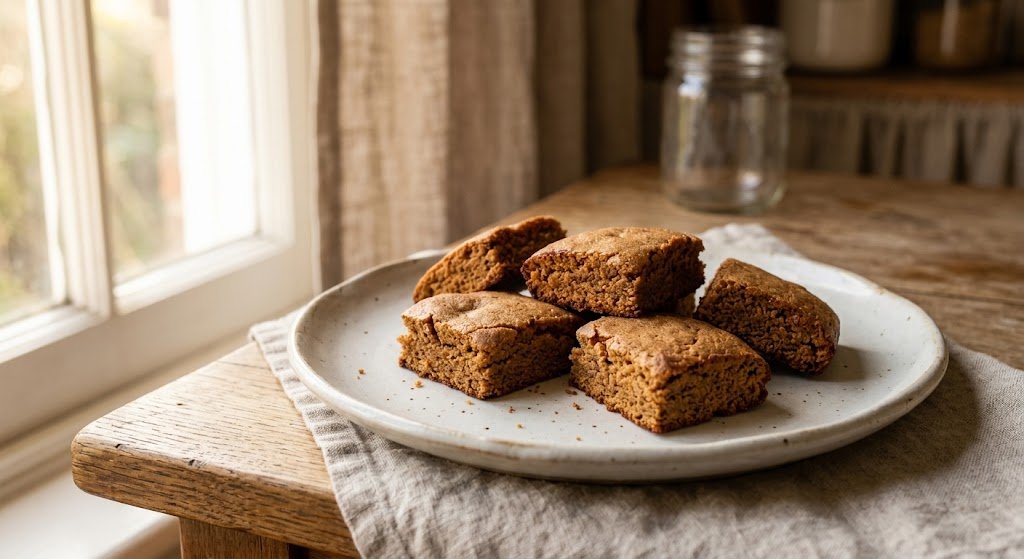
Soft kefir honey pryanyky are thick, lightly spiced honey cookies with tender centres and golden edges. This Ukrainian-inspired version uses kefir or sour cream, butter, cinnamon and ginger in a dough rolled about 1 cm thick. It makes around 24 cookies, depending on cutter size. Allow 30 minutes for preparation, at least 30 minutes of chilling and 12–15 minutes per baking batch, plus cooling. The cookies are unglazed and mildly sweet, ideal with tea or coffee.
Soft kefir honey pryanyky are thick honey-spice cookies with a tender middle, lightly golden edges and a gentle cinnamon and ginger aroma. This Ukrainian-inspired recipe makes about 24 cookies rolled 1 cm (⅜ inch) thick. Allow 30 minutes for preparation, at least 30 minutes to chill the dough and 12–15 minutes per baking round at 180°C (350°F).
What are pryanyky?
Pryanyky are a family of sweet spiced baked goods commonly associated with Eastern European cooking. Recipes vary in their flour, honey, spices, texture and glaze. This version is a soft, unglazed honey cookie rather than a thin, crisp gingerbread biscuit. The kefir or sour cream and thick rolling method distinguish it from drier cut-out doughs.
Ingredients and what they do
Weigh 500 g plain flour (all-purpose flour) for the original formula. Honey provides flavour and contributes moisture; a mild floral honey keeps the cinnamon and ginger noticeable. The sugar and butter are warmed with honey to make a smooth base. Avoid boiling the mixture, as excess heat can change its consistency and make the eggs curdle later.
Use plain unsweetened kefir. Its acidity reacts with baking soda and contributes a slightly tangy flavour. The original recipe allows sour cream in the same volume, though the dough may feel firmer. Use baking soda (bicarbonate of soda), not baking powder as a direct swap. The measured cinnamon and ginger give gentle warmth, not intense heat. Choose a simple round cutter roughly 5–6 cm across as a starting point; final yield depends on cutter shape and dough thickness.
Recipe card
Soft Kefir Honey Pryanyky to Serve with Tea
75 minutes assumes one baking round; bake 12–15 minutes per tray and allow additional time for separate batches and cooling.
Equipment: Digital scale, saucepan, whisk, mixing bowl, spatula, rolling pin, cookie cutter, baking parchment, baking trays and cooling rack
Ingredients
Dry ingredients
Honey base
Wet ingredients
Dry ingredients
Instructions
Warm the honey and butter base
Warm honey, sugar and butter over low heat, stirring until blended. Do not boil. Cool until lukewarm.
Mix a soft dough
Whisk eggs with kefir or sour cream and stir in the cooled honey mixture. Whisk flour, soda, cinnamon, ginger and salt separately, then stir in the wet mixture just until a soft dough forms.
Chill the dough
Wrap and refrigerate at least 30 minutes. Chill longer if too sticky to roll.
Roll, cut and bake
Preheat a conventional oven to 180°C (350°F). Roll dough to 1 cm thick, cut shapes and arrange on lined trays with space between them. Bake 12–15 minutes per round until edges are lightly golden and centres set.
Cool on a rack
Rest briefly on the baking tray until firm enough to move, then transfer to a rack to cool fully. Store airtight.
Mixing, chilling and shaping
Warm honey, sugar and butter in a small saucepan over low heat, stirring until blended. Let the mixture cool until comfortably lukewarm. Whisk the eggs with kefir separately, then mix with the cooled honey base. Whisk the dry ingredients to distribute baking soda and spices before adding the wet mixture. Stir just until a soft dough forms. Avoid prolonged kneading, which can toughen cookies.
Wrap the dough and refrigerate for at least 30 minutes. If it remains very sticky, chill it longer rather than adding handfuls of flour. Roll on a lightly floured surface, or between sheets of parchment, to an even 1 cm thickness. Cut shapes close together and gently reroll scraps once. Keep similar-sized cookies on the same tray so they finish together.
Baking and doneness
Preheat a conventional oven to 180°C (350°F) and line baking trays. Leave a little room around each cookie for spreading. Bake for 12–15 minutes per round, checking near the lower end of the range. The edges should be lightly coloured and the centres should look set rather than wet. A thick cookie can remain soft even when fully baked. Do not wait for the whole surface to turn dark brown. Cool briefly on the tray, then transfer to a rack. Do not taste raw dough containing flour and eggs.
Troubleshooting and substitutions
If the dough spreads excessively, check that the honey base was cooled and the dough thoroughly chilled. If cookies turn hard after cooling, they may have been rolled too thin, overbaked or mixed with too much extra flour. Try a slightly shorter bake for the next tray. If the centre is visibly raw, return the tray to the oven briefly and check again. Sour cream can replace kefir as specified in the original formula; avoid compensating for its thicker consistency until the dough has chilled. Add a little finely grated orange zest for a citrus note, or leave out ginger for a milder cinnamon cookie.
Serving ideas
Enjoy with tea, coffee or warm milk. For a contrasting tart flavour, offer a little refrigerator quince jam. If you prefer a layered honey dessert, try honey cake with sour cream frosting or pourable honey cake. These are separate recipes with different textures and methods.
Make ahead, storage and allergens
Chill the dough covered in the refrigerator at 4°C (40°F) or below until ready to roll, preferably baking the same day. Store fully cooled, unglazed cookies in an airtight container at cool room temperature for up to four days. For longer storage, freeze in a sealed container with parchment between layers and use within two months for best quality. Thaw wrapped before opening to reduce surface condensation. Contains wheat, eggs and milk; check ingredient labels for cross-contact.
Frequently asked questions
Can I use sour cream instead of kefir?
Yes, the original formula allows 100 ml of either. Sour cream may produce a firmer dough.
Why do I need to chill the dough?
Chilling firms the butter-rich dough and makes it easier to roll without adding excess flour.
Can I roll these thinner?
Thinner cookies bake faster and are likely to be crisper. Keep them about 1 cm thick for the intended soft centre.
Why did my cookies become hard?
Too much added flour, thin rolling or overbaking can dry the cookies. Check the next batch earlier.
Do these cookies need a glaze?
No. The recipe is designed to be served unglazed with tea or coffee.
Can I replace baking soda with baking powder?
Not as a direct substitution; the original soda works with the acidity of kefir or sour cream.
More recipes to try






Spotted a detail that needs correcting? Contact the FeastDelights editors.