Dark Chocolate Ganache Truffles Rolled in Cocoa
Dark chocolate truffles are small, rich sweets with a smooth ganache centre and a dusting of bitter cocoa. This five-ingredient recipe combines finely chopped dark chocolate with warm cream, optional butter and vanilla, then chills the mixture until it can be rolled. The approximate two-to-one chocolate-to-cream ratio creates a firm centre without baking or freezing. Allow about three hours and 25 minutes, including refrigeration. The batch makes around twenty truffles, ideal for sharing or serving with coffee.
Dark chocolate ganache truffles are bite-sized chocolate sweets with a rich, smooth centre and a dry cocoa coating. This recipe makes about twenty pieces using 200 g dark chocolate and 100 ml cream, with optional butter and vanilla. Allow around 3 hours 25 minutes, including refrigeration. No oven or specialist chocolate mould is needed.
Choose chocolate that melts smoothly
Use a dark chocolate bar or couverture you enjoy eating, preferably around 55–70% cocoa solids. Very high-cocoa chocolate may produce a firmer, more bitter centre; milk or white chocolate requires different proportions. Chop the bar finely and evenly so the warm cream can melt it without prolonged reheating. Use heavy cream with enough fat for ganache, and measure the butter separately. The optional butter makes the centre softer; vanilla adds fragrance but is not essential. Unsweetened cocoa provides a contrast to the rich centre.
The approximate two-to-one chocolate-to-cream ratio is intended to make a firm, rollable ganache. King Arthur Baking’s ganache guide explains how the ratio affects consistency. The actual texture depends on the chocolate and cream used.
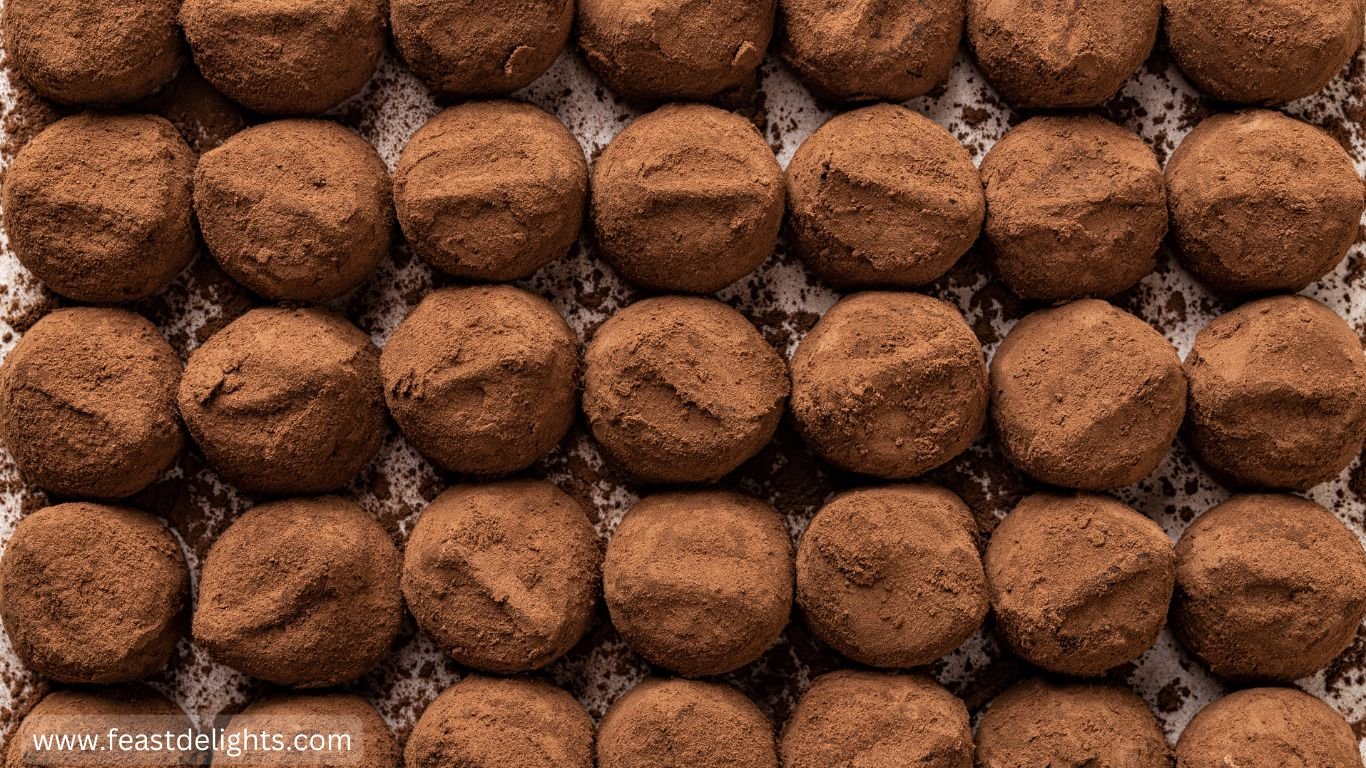
Recipe card
Dark Chocolate Ganache Truffles Rolled in Cocoa
Chill 2–3 hours until scoopable; additional chilling after shaping may be needed. Yield depends on portion size.
Equipment: Kitchen scale, small saucepan, heatproof bowl, flexible spatula, small scoop or teaspoon, parchment-lined tray and shallow cocoa dish.
Ingredients
Ganache
Coating
Instructions
Chop the chocolate
Finely chop the chocolate and put it in a dry heatproof bowl.
Warm and pour cream
Heat cream just until steaming. Pour over chocolate and leave for 2 minutes.
Stir the ganache
Stir gently from the centre until glossy and smooth. Stir in optional butter and vanilla. Warm gently if unmelted pieces remain.
Chill until scoopable
Cover and refrigerate for 2–3 hours, until the ganache holds its shape when scooped.
Shape the truffles
Divide into approximately 20 portions and roll quickly between clean, cool hands. Chill briefly if too soft.
Coat and refrigerate
Roll in cocoa and refrigerate covered until serving. Allow individual portions to soften briefly before eating.
How to make a smooth ganache
Heat the cream just until steaming, then pour it evenly over the chopped chocolate. Let it sit undisturbed for two minutes. Stir gently in small circles from the centre until the mixture becomes glossy and uniform. Avoid vigorous whisking, which introduces bubbles. If tiny pieces remain, warm the bowl gently over barely simmering water, keeping the base clear of the water. Remove as soon as the chocolate melts. Stir in optional butter and vanilla while the ganache is still warm.
Chill and shape
Cover the bowl and refrigerate until the mixture holds a scoop without slumping. This typically takes two to three hours. If it is very firm, let it soften briefly rather than forcing a spoon through it. Divide into about twenty portions of approximately 15–16 g, depending on whether butter is used. Roll quickly between clean, cool hands and place on parchment. If the surface becomes sticky, chill the portions briefly and continue. Roll in cocoa just before returning them to the refrigerator.
Troubleshooting
If ganache looks oily, gently warm it and stir from the centre; a very small amount of warm cream may help restore the emulsion, but extra liquid will soften the truffles. If the mixture remains too soft after a full chill, check the chocolate type and cream measurement before adjusting the recipe. If the cocoa becomes damp, the truffles may have been exposed to condensation; dust lightly again before serving.
Variations and allergens
Use finely chopped toasted nuts or desiccated coconut as an alternative coating, or omit vanilla. The original recipe contains milk; chocolate may also contain soy or traces of nuts. Check every label and use separate equipment if allergies are a concern. For other chocolate desserts, try Sacher-style chocolate torte, white chocolate namelaka or chocolate layer cake.
Make ahead and storage
Refrigerate the finished truffles covered within two hours, or one hour above 32°C (90°F), at 4°C (40°F) or below. Use within three days as a conservative limit for homemade cream ganache whose shelf stability has not been tested. Freeze airtight for up to one month for best quality, thaw covered in the refrigerator and renew the cocoa coating if necessary. Serve a few at a time with coffee or fresh berries.
Frequently asked questions
Can I use milk chocolate?
Not at the same ratio with confidence. Milk chocolate generally requires less cream for a firm truffle.
Do I need butter?
No. It is optional and makes the centre a little softer.
Why is the ganache oily?
Overheating or a broken emulsion can cause separation. Warm gently and stir slowly to restore it.
Can I shape the truffles with a scoop?
Yes. A small scoop gives even portions and reduces handling.
Can I make them as gifts?
Yes, but keep these homemade cream truffles refrigerated during storage and transport.
More recipes to try

Cream Cheese Chocolate Truffles Rolled in Cocoa

Cream Cheese Cheesecake Danish with Lemon and Vanilla

Fresh Fruit Salad with Orange Honey Dressing

Ptichye Moloko Bird’s Milk Mousse with Chocolate Glaze
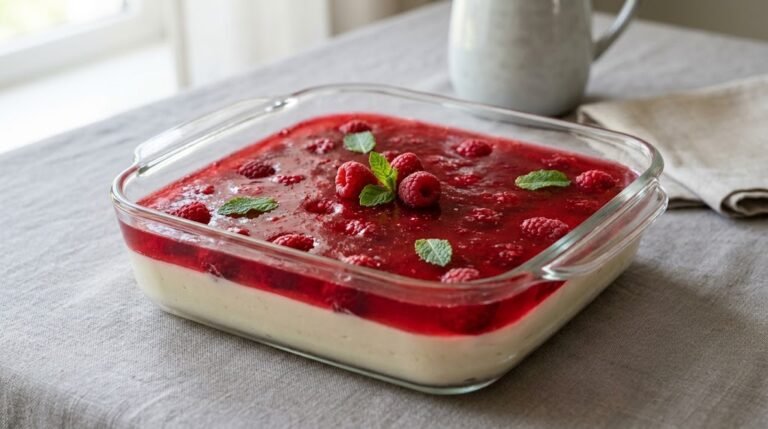
Bird’s Milk Jello with Creamy Mousse and Raspberry Jelly
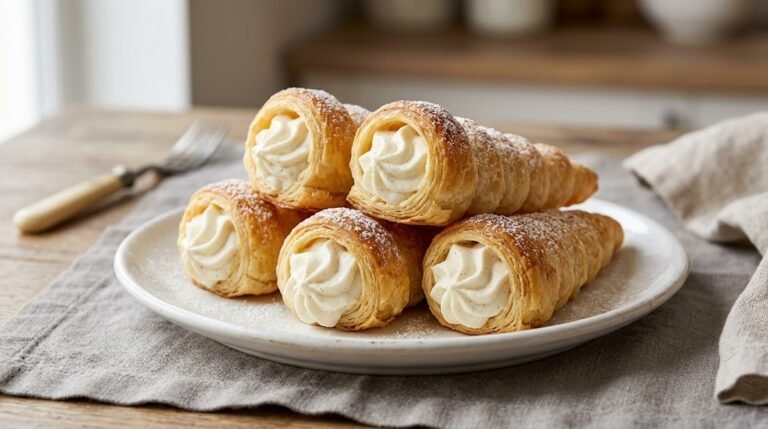
Cream Horn Trubochki with Vanilla Cream Filling
Spotted a detail that needs correcting? Contact the FeastDelights editors.