Birch Sap Kvass with Bread and Honey
A lightly fermented birch sap drink flavored with toasted bread, honey and raisins, kept refrigerated after fermentation.
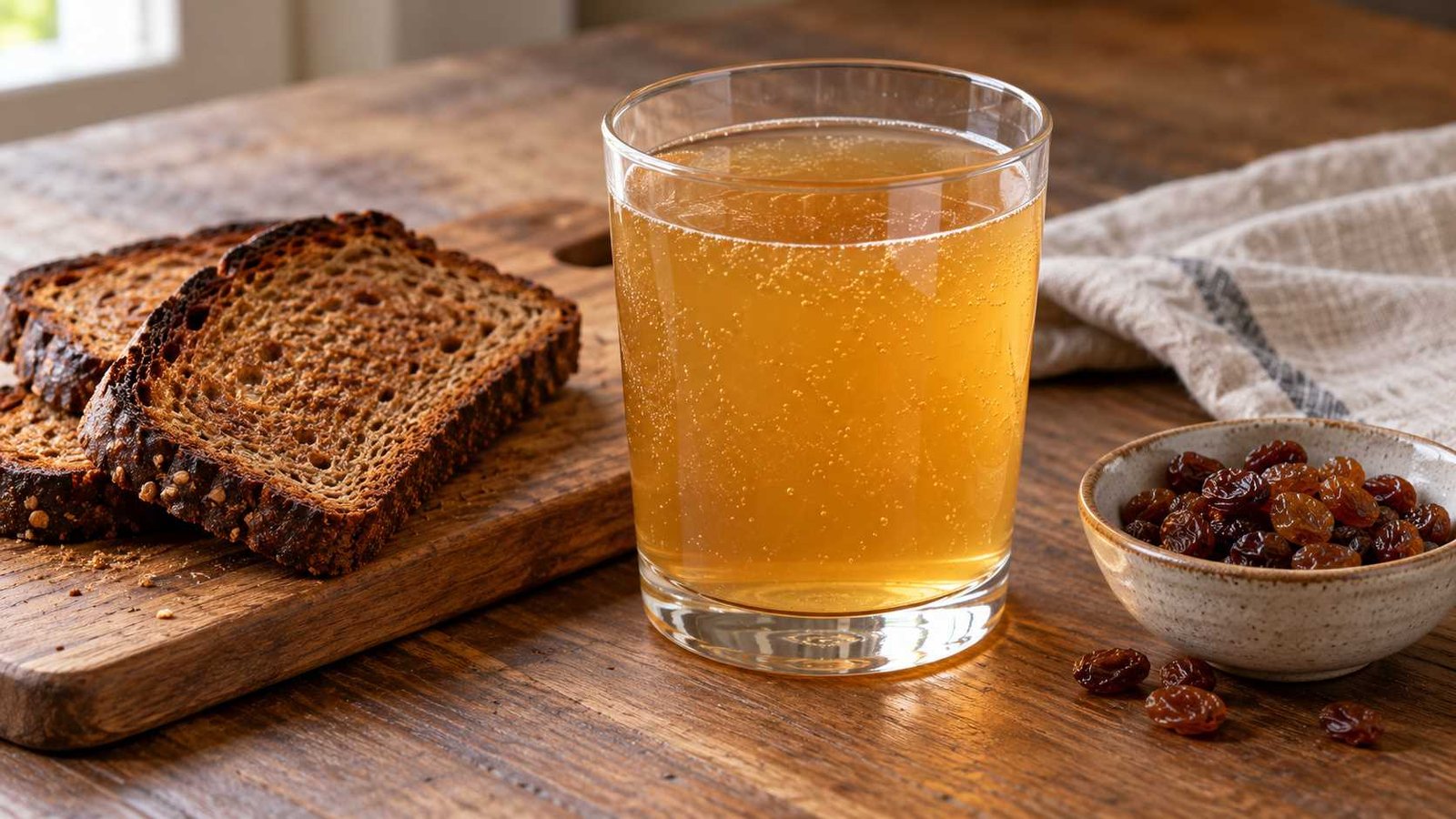
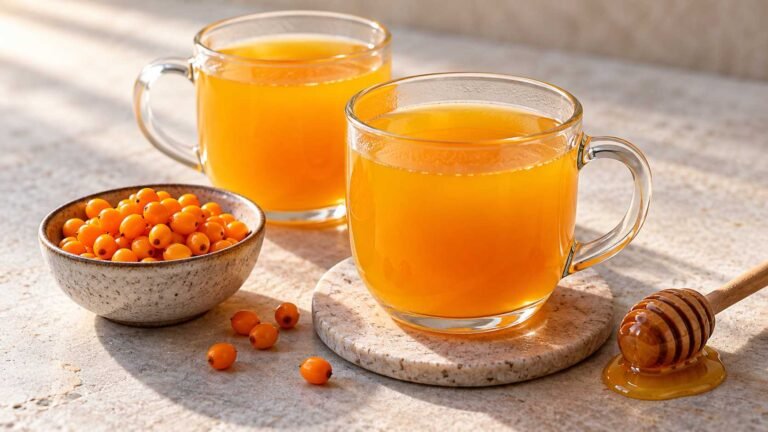
Birch sap kvass is a lightly fermented drink made by adding toasted bread, honey and raisins to fresh birch sap. Use commercially collected, food-grade sap or sap that has been handled safely, and begin with clean equipment. Warm only part of the liquid to dissolve the honey; high heat can flatten the fresh flavor. Fermentation time depends on temperature, so taste after two days and refrigerate as soon as the drink becomes gently tart and lightly sparkling. This is a small-batch fermented beverage, not a medical tonic and not a shelf-stable canned product. Use the stated measurements, keep the texture cues in view, and let the finished dish cool or rest as directed before serving. This keeps the method practical for a home kitchen and makes the result easier to repeat.
Helpful tips
- Measure ingredients before starting.
- Keep the heat moderate and adjust it when the food browns too quickly.
- Use the texture and doneness cue rather than the clock alone.
- Cool leftovers promptly and store them covered.
Serving ideas
- Serve warm when the recipe calls for a crisp or tender texture.
- Add a fresh herb, pickle or salad for contrast.
- Offer a simple yogurt, cream or fruit accompaniment where suitable.
- Portion leftovers into clean containers for the next meal.
Food safety
Use food-grade sap and clean equipment. Refrigerate after fermentation; discard if moldy or foul-smelling.
Storage
Keep refrigerated and use within 5–7 days.
Ingredients and directions
Recipe card
Birch Sap Kvass with Bread and Honey
Equipment: Saucepan, fermentation jar, sieve, bottles
Ingredients
Main ingredients
Instructions
Warm sap
Warm 250 ml sap gently and dissolve honey in it. Cool to lukewarm.
Combine
Add toasted bread, raisins, optional lemon peel and honey mixture to a clean jar. Add remaining sap.
Ferment
Cover loosely and leave at room temperature 1–3 days, tasting daily.
Strain
When lightly tart and fizzy, strain into clean bottles.
Chill
Refrigerate immediately and serve cold.
Frequently asked questions
Can I make it without bread?
Yes, but bread supplies flavor and fermentation nutrients; the result will be lighter.
How should I store birch sap kvass with bread and honey?
Keep refrigerated and use within 5–7 days.
How to tell when it is ready
The drink is lightly fizzy and pleasantly tart before refrigeration.
Tips
- Measure ingredients before starting.
- Keep the heat moderate and adjust it when the food browns too quickly.
- Use the texture and doneness cue rather than the clock alone.
- Cool leftovers promptly and store them covered.
Troubleshooting
- Measure ingredients before starting.
- Keep the heat moderate and adjust it when the food browns too quickly.
Serving suggestions
- Serve warm when the recipe calls for a crisp or tender texture.
- Add a fresh herb, pickle or salad for contrast.
- Offer a simple yogurt, cream or fruit accompaniment where suitable.
- Portion leftovers into clean containers for the next meal.
Make ahead
Prepare ingredients ahead and observe the stated chilling, resting or rising time.
Storage
Keep refrigerated and use within 5–7 days.
Food safety
Use food-grade sap and clean equipment. Refrigerate after fermentation; discard if moldy or foul-smelling.
Frequently asked questions
Can I make it without bread?
Yes, but bread supplies flavor and fermentation nutrients; the result will be lighter.
How should I store birch sap kvass with bread and honey?
Keep refrigerated and use within 5–7 days.
Serve birch sap kvass with bread and honey according to the doneness and storage notes.
More recipes to try

Spotted a detail that needs correcting? Contact the FeastDelights editors.