Yeast Doughnuts Made with Milk
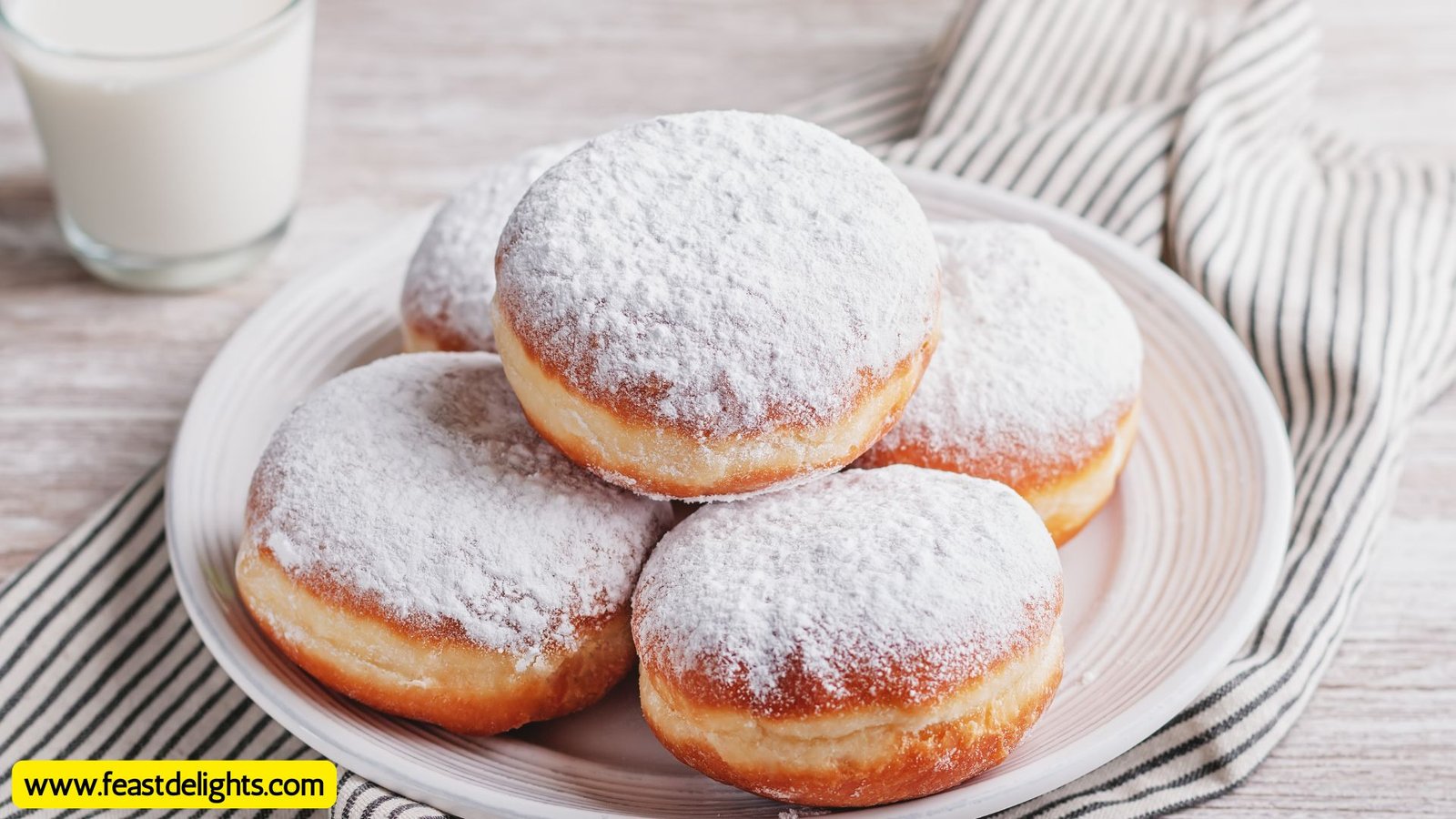
Milk yeast doughnuts are lightly sweet fried rings enriched with milk, egg and vanilla. Knead until elastic, let the dough double, cut rings and allow a second proof before frying at about 175°C. This batch makes approximately 12 doughnuts in about 2 hours 45 minutes including rising and initial cooling. Fry a few at a time to keep the oil temperature steady. Drain on a rack and dust with icing sugar before serving. The finished rings should be golden with a soft, cooked centre.
These yeast doughnuts use milk for a tender crumb and a short final proof to create light rings. The dough should be soft and elastic rather than dry. Give the yeast time to work and use a frying thermometer to regulate the oil.
Why the dough rises twice
The first rise develops volume and the second allows the cut rings to become puffy. Use the appearance of the dough rather than treating the times as deadlines. If the dough springs back sharply during rolling, cover and rest a few minutes. Avoid adding large quantities of extra flour.
Recipe card
Yeast Doughnuts Made with Milk
Estimated times; follow the stated texture and doneness cues. Allow extra time for separate batches, a tougher meat cut or slower proofing.
Equipment: Scale, bowls, rolling pin, round cutters, deep heavy pot, frying thermometer, slotted spoon, rack
Ingredients
Dough
Frying and finish
Instructions
Mix dough
Combine 500 g flour, 100 g sugar, 8 g instant yeast, 10 g vanilla sugar and ¼ tsp salt. Add 250 ml lukewarm milk and 1 large egg. Follow the yeast packet if activation is recommended.
Knead and rise
Knead 8–10 minutes until smooth and elastic. Cover and rise 60–90 minutes or until roughly doubled. If the dough is unusually dry, add a little milk by the teaspoon.
Roll and cut
Roll to about 1.5 cm (just over ½ inch) on a lightly floured surface. Cut approximately 12 rings, reroll scraps gently and keep the centres for doughnut holes if desired.
Final proof
Cover loosely and proof about 20 minutes until puffy. Heat neutral oil in a deep stable pot to 175°C/347°F; leave generous space above the oil.
Fry in batches
Lower two or three rings into the oil with a slotted spoon. Fry about 1–2 minutes per side until golden and cooked through. Cut open a test ring and adjust temperature and cooking time if raw dough remains.
Drain and finish
Transfer to a rack. Allow the rings to cool enough to handle safely, then dust with 30 g icing sugar. Serve fresh.
Oil temperature and safe frying
Use a deep heavy pan no more than half full of oil. Monitor with a frying thermometer, keep water away and stay in the kitchen. Never use water on an oil fire. See US Fire Administration cooking safety guidance. Excess heat can brown the surface before the centre cooks; overcrowding cools the oil.
Finishing and serving
A rack drains excess oil without trapping steam underneath. Dust before serving. For an oven-baked enriched dough rather than fried rings, try milk and vanilla babka. The dough contains wheat, milk and egg.
Storage and make-ahead
Best on the day of frying. Cool plain doughnuts fully and store airtight at room temperature for up to 1 day for quality. Freeze cooled undusted rings up to 1 month. Refrigerate any perishable filled variation.
Frequently asked questions
Can I use active dry yeast?
Follow the manufacturer's conversion and activation instructions.
Why are the rings dense?
Insufficient kneading or proofing may be responsible.
Why are they oily?
Check that oil is near 175°C and avoid overcrowding.
Can I fry the doughnut holes?
Yes, in separate small batches, checking earlier because they are smaller.
Why is the centre raw?
The oil may be too hot or the rings too thick. Reduce heat and check a test ring.
Can I make the dough ahead?
A refrigerated overnight rise may work but proofing times change; this recipe uses same-day proofing.
More recipes to try

Cream Cheese Chocolate Truffles Rolled in Cocoa

Cream Cheese Cheesecake Danish with Lemon and Vanilla

Fresh Fruit Salad with Orange Honey Dressing

Ptichye Moloko Bird’s Milk Mousse with Chocolate Glaze
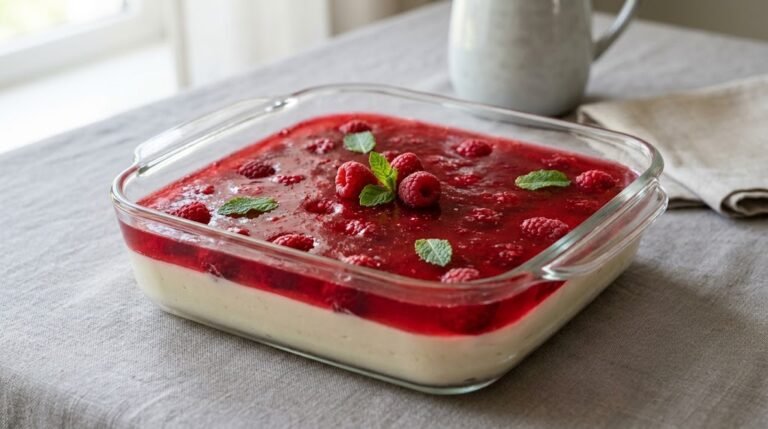
Bird’s Milk Jello with Creamy Mousse and Raspberry Jelly
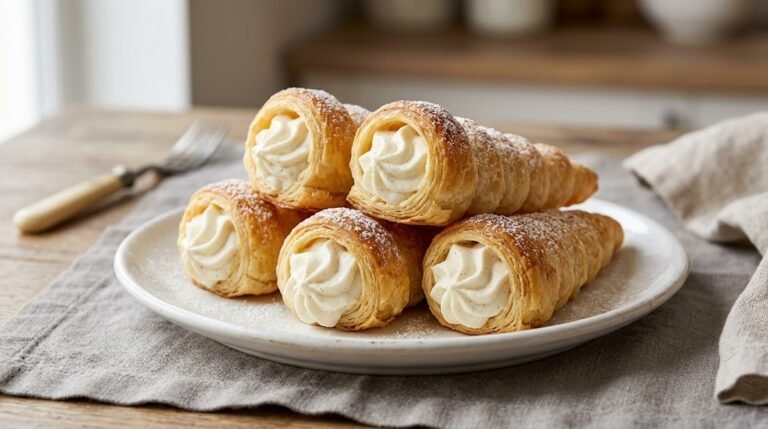
Cream Horn Trubochki with Vanilla Cream Filling
Spotted a detail that needs correcting? Contact the FeastDelights editors.